Eastern Desert Pocket Mouse
Chaetodipus eremicus
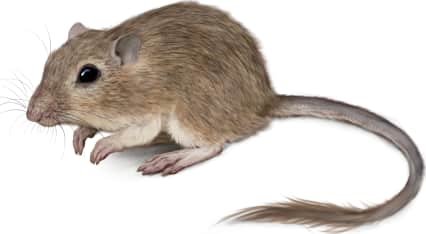
C. eremicus is a relatively small Chaetodipus with coarse fur and some spiny hairs. Its coloration is typically pale grayish-brown to buffy, blending well with the desert…
How to identify
C. eremicus is a relatively small Chaetodipus with coarse fur and some spiny hairs. Its coloration is typically pale grayish-brown to buffy, blending well with the desert environment.
Range
C. eremicus is found in the Chihuahuan Desert region of western Texas, southern New Mexico, and northern Mexico.
Habitat
C. eremicus prefers arid and semi-arid habitats, including desert scrub, rocky slopes, and sandy areas.
Similar species
C. eremicus can be difficult to distinguish from other small Chaetodipus and even some Perognathus species in its range. Careful examination of pelage, size, and cranial features is necessary.
Name and etymology
Genus
Chaetodipus
Greek for bristle (chaite) foot (pous)
Origin
Sources
- Palmer, Index Generum Mammalium (1904) ↗
Palmer, T. S. 1904. Index Generum Mammalium: a list of the genera and families of mammals. North American Fauna 23. Government Printing Office, Washington. https://doi.org/10.5962/bhl.title.39809
Species epithet
eremicus
Greek for pertaining to (-icus) the desert (eremos)
Origin
Sources
- Wikipedia: Chaetodipus eremicus ↗
“Chaetodipus eremicus.” Wikipedia. https://en.wikipedia.org/wiki/Chihuahuan_pocket_mouse
Explore more names in the etymology index.
At a glance
Range
C. eremicus is found in the Chihuahuan Desert region of western Texas, southern New Mexico, and northern Mexico.
Habitat
C. eremicus prefers arid and semi-arid habitats, including desert scrub, rocky slopes, and sandy areas.
Guide
Mammals of North America
Range map
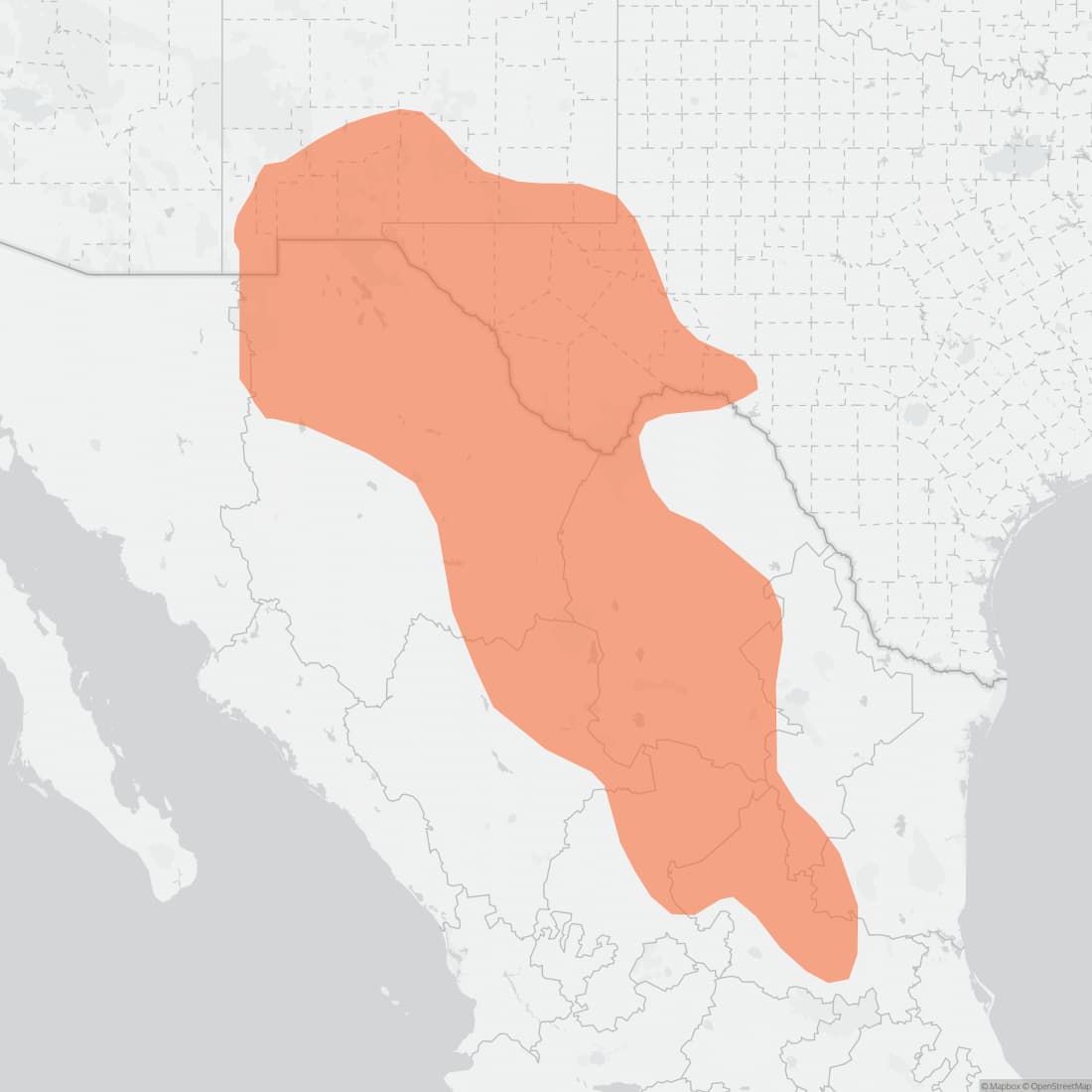
Approximate range. © Mapbox © OpenStreetMap