Jones' Pocket Gopher
Geomys knoxjonesi
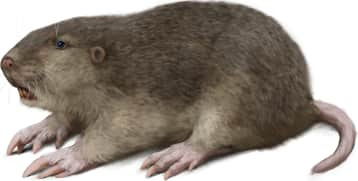
G. knoxjonesi is one of the smallest species of Geomys. Its coloration is generally grayish-brown. The upper incisors have two grooves. Cranial characteristics, particula…
How to identify
G. knoxjonesi is one of the smallest species of Geomys. Its coloration is generally grayish-brown. The upper incisors have two grooves. Cranial characteristics, particularly the shape and size of the skull and teeth, are essential for distinguishing this species.
Range
G. knoxjonesi has a very limited distribution, restricted to parts of the southern Texas Panhandle.
Habitat
G. knoxjonesi inhabits sandy soils in grasslands and shrublands of the southern Texas Panhandle.
Similar species
Due to its limited range, G. knoxjonesi is not likely to be confused with many other species. Careful comparison of cranial features is important for accurate identification.
Name and etymology
Genus
Geomys
Greek for earth (geo) mouse (mus)
Origin
Sources
- Palmer, Index Generum Mammalium (1904) ↗
Palmer, T. S. 1904. Index Generum Mammalium: a list of the genera and families of mammals. North American Fauna 23. Government Printing Office, Washington. https://doi.org/10.5962/bhl.title.39809
Species epithet
knoxjonesi
Honoring American mammalogist J. Knox Jones Jr
Origin
Honors
Sources
- Wikipedia: Geomys knoxjonesi ↗
“Geomys knoxjonesi.” Wikipedia. https://en.wikipedia.org/wiki/Knox_Jones's_pocket_gopher
Explore more names in the etymology index.
At a glance
Range
G. knoxjonesi has a very limited distribution, restricted to parts of the southern Texas Panhandle.
Habitat
G. knoxjonesi inhabits sandy soils in grasslands and shrublands of the southern Texas Panhandle.
Guide
Mammals of North America
Range map
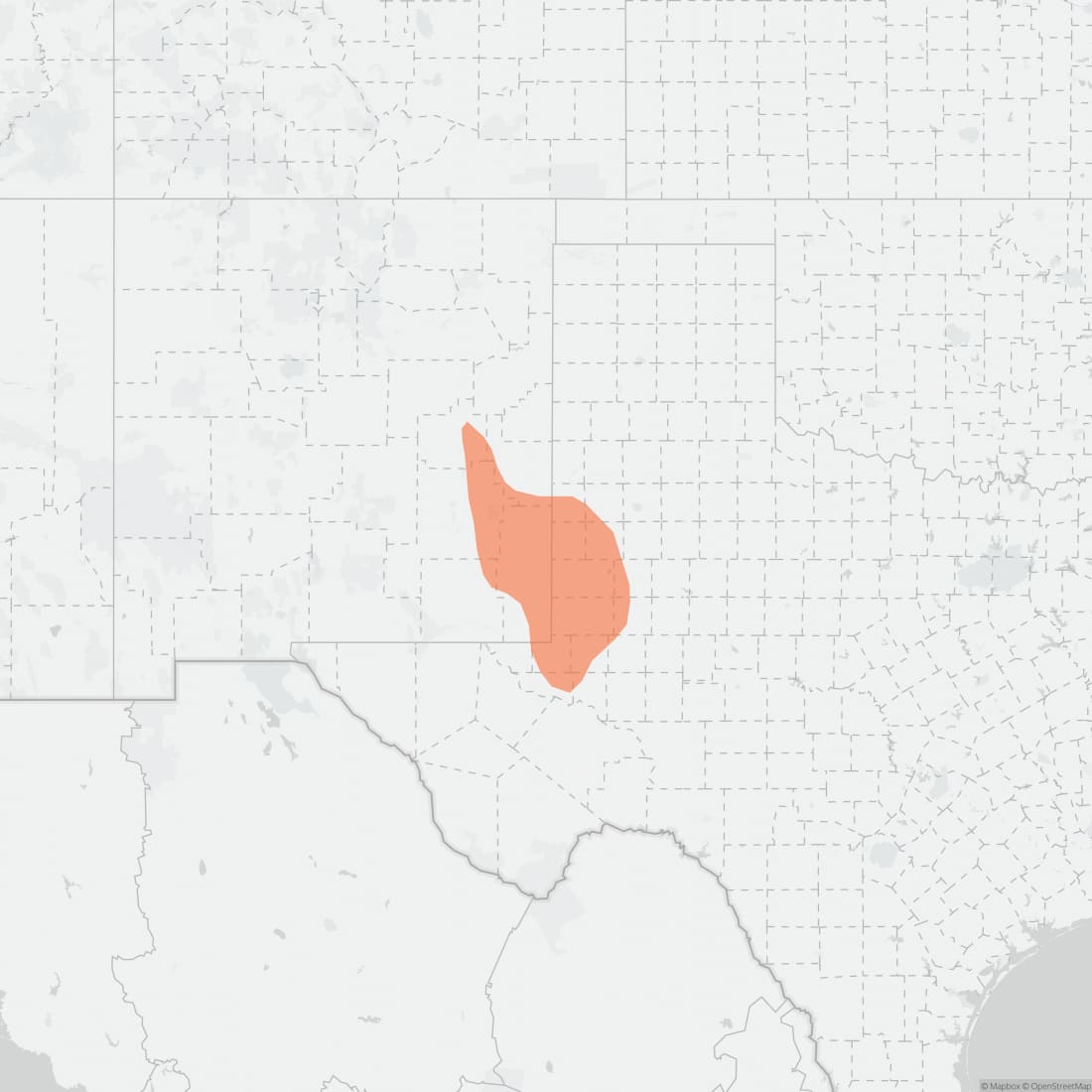
Approximate range. © Mapbox © OpenStreetMap