Amargosa Toad
Anaxyrus nelsoni
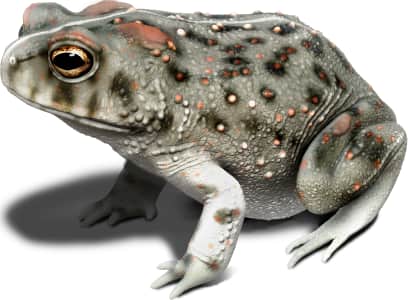
This toad has a warty body with a light stripe running down the center of its back. Its skin has black or brown speckling on a background that may vary in colors from oli…
How to identify
This toad has a warty body with a light stripe running down the center of its back. Its skin has black or brown speckling on a background that may vary in colors from olive to buff. The underside is whitish with blotches. Male toads are usually lengths of 3 – 4 inches. Females are slightly bigger with lengths of up to 3.5 – 5 inches. The female toads can produce up to six thousand eggs arranged in a string and attached to plants. Warmer temperatures accelerate egg development. It takes about 2 weeks for eggs to turn to tadpoles and 4 – 8 weeks for tadpoles to become immature toads.
Range
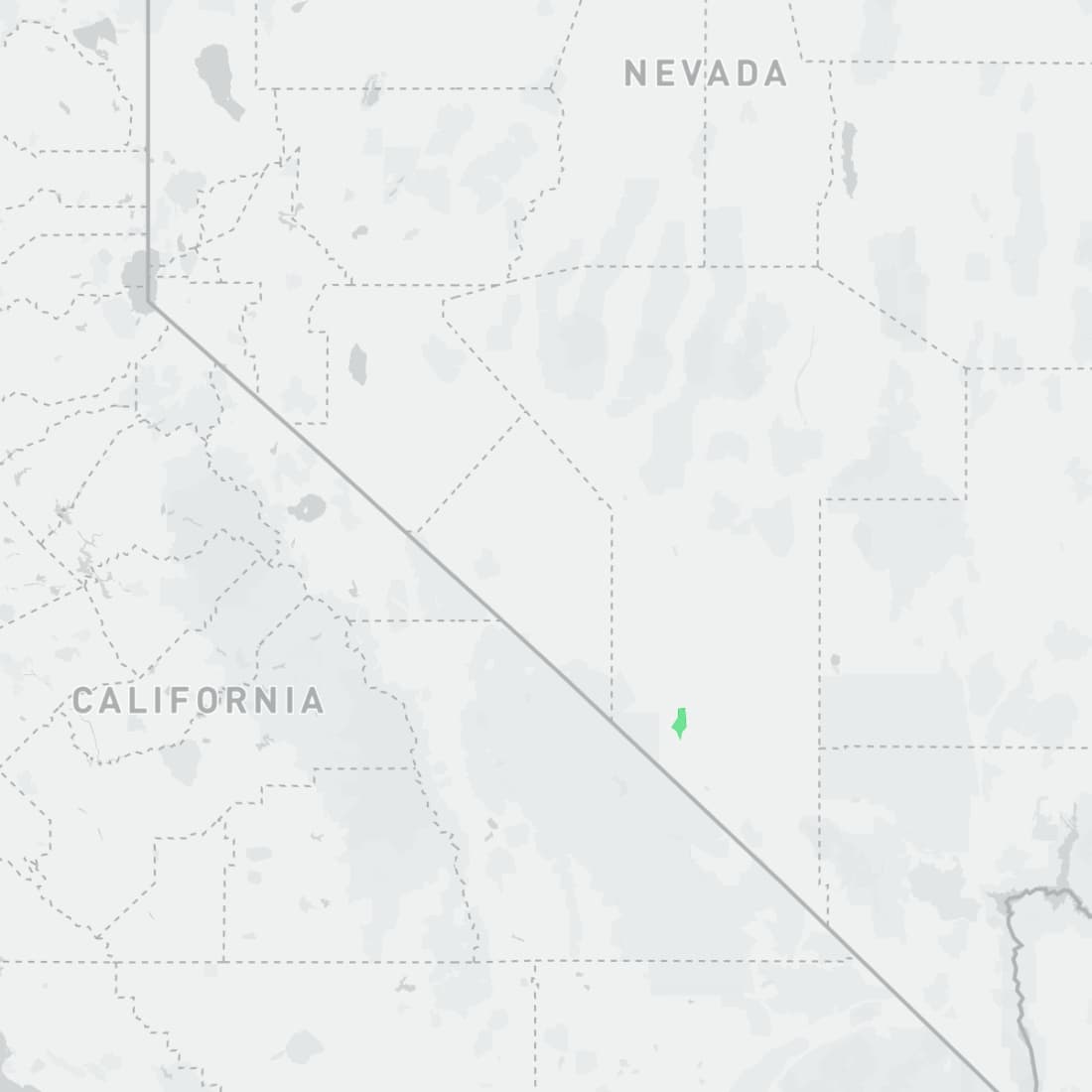
The Amargosa toad is found solely in tributary springs and isolated springs in the Amargosa Desert, Oasis Valley, Nevada in the United States, the Amargosa toad is one of the reported endangered species.
Habitat
They are often found in the riparian areas (or among the banks) of rivers. They breed on pond edges, pools and streams, meadows, flooded marshes, springs and flooded holes. They may also hibernate in winter in rodent burrows. At night they hunt invertebrates like insects and spiders and in the daytime, they hide in a pile of debris or dense vegetation. The mating season of the Amargosa toad usually takes place in Spring and lasts from February to July.
Variations
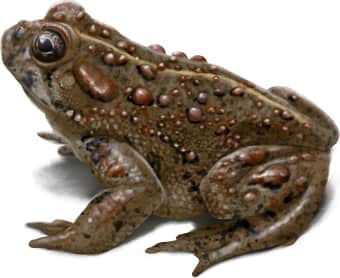
The Amargosa toad was once grouped under Western Toad or anaxyrus boreas which is also a large species of toad native to western North America. The voice calls are very similar – both making chirping sounds. They both have blotched skin, although the western toad has a prominent dorsal stripe. They both lay eggs in strings, but the western toad lays up to 12000 eggs.
Similar species
Name and etymology
Genus
Anaxyrus
From Greek meaning a king or chief
Origin
Sources
- Laurenti, 1768. Syn. Rept., p. 25
Bufo. Laurenti, 1768 - Syn. Rept., p. 25
Species epithet
nelsoni
Honoring American naturalist and ethnologist Edward William Nelson
Origin
Honors
Sources
- Stejneger, 1893. N. Amer. Fauna, No. 7, p. 220, pl. 3, figs. 4a and 4b ↗
Bufo boreas nelsoni. Stejneger, 1893 - N. Amer. Fauna, No. 7, p. 220, pl. 3, figs. 4a and 4b
Explore more names in the etymology index.
At a glance
Range
The Amargosa toad is found solely in tributary springs and isolated springs in the Amargosa Desert, Oasis Valley, Nevada in t…
Habitat
They are often found in the riparian areas (or among the banks) of rivers. They breed on pond edges, pools and streams, meado…
Guide
Reptiles and Amphibians of North America
Range map
Approximate range. © Mapbox © OpenStreetMap