Cascade Caverns Salamander
Eurycea latitans
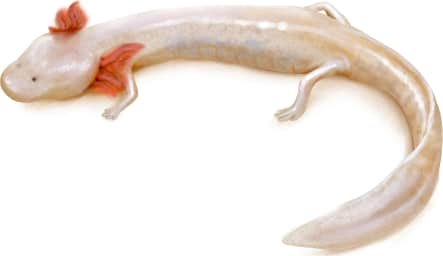
Pale and translucent, with dense pattern of tiny light brown speckles. Small white spots are present down its sides. Retains external pink gills and tail fin throughout a…
How to identify
Pale and translucent, with dense pattern of tiny light brown speckles. Small white spots are present down its sides. Retains external pink gills and tail fin throughout adulthood. Long body with skinny legs set far apart. 2-4 inches in total length.
Range
Vulnerable species endemic to the Cascade Caverns in south central Texas.
Habitat
Subterranean aquatic species that lives exclusively within spring-fed cave pools.
Variations
Saturation of coloring varies. Some appear very pale with faint tan coloration, while others are a solid tan with white spots.
Name and etymology
Genus
Eurycea
Probably honoring Eurydice the wife of Orpheus in Greek mythology. Although Rafinesque, who named the genus, only wrote "mythological"
Origin
Honors
Sources
- Rafinesque, 1822. Kentucky Gazette, Lexington, N. S., Vol. 1, No. 9, Feb. 28, p. 3, column 6
Eurycea. Rafinesque, 1822 - Kentucky Gazette, Lexington, N. S., Vol. 1, No. 9, Feb. 28, p. 3, column 6
Species epithet
latitans
Latin for to hide or conceal (latito).
Origin
Sources
- Smith and Potter, 1946. Herpetologica, Vol. 3, p. 106
Eurycea latitans. Smith and Potter, 1946 - Herpetologica, Vol. 3, p. 106
Explore more names in the etymology index.
At a glance
Range
Vulnerable species endemic to the Cascade Caverns in south central Texas.
Habitat
Subterranean aquatic species that lives exclusively within spring-fed cave pools.
Guide
Reptiles and Amphibians of North America
Range map
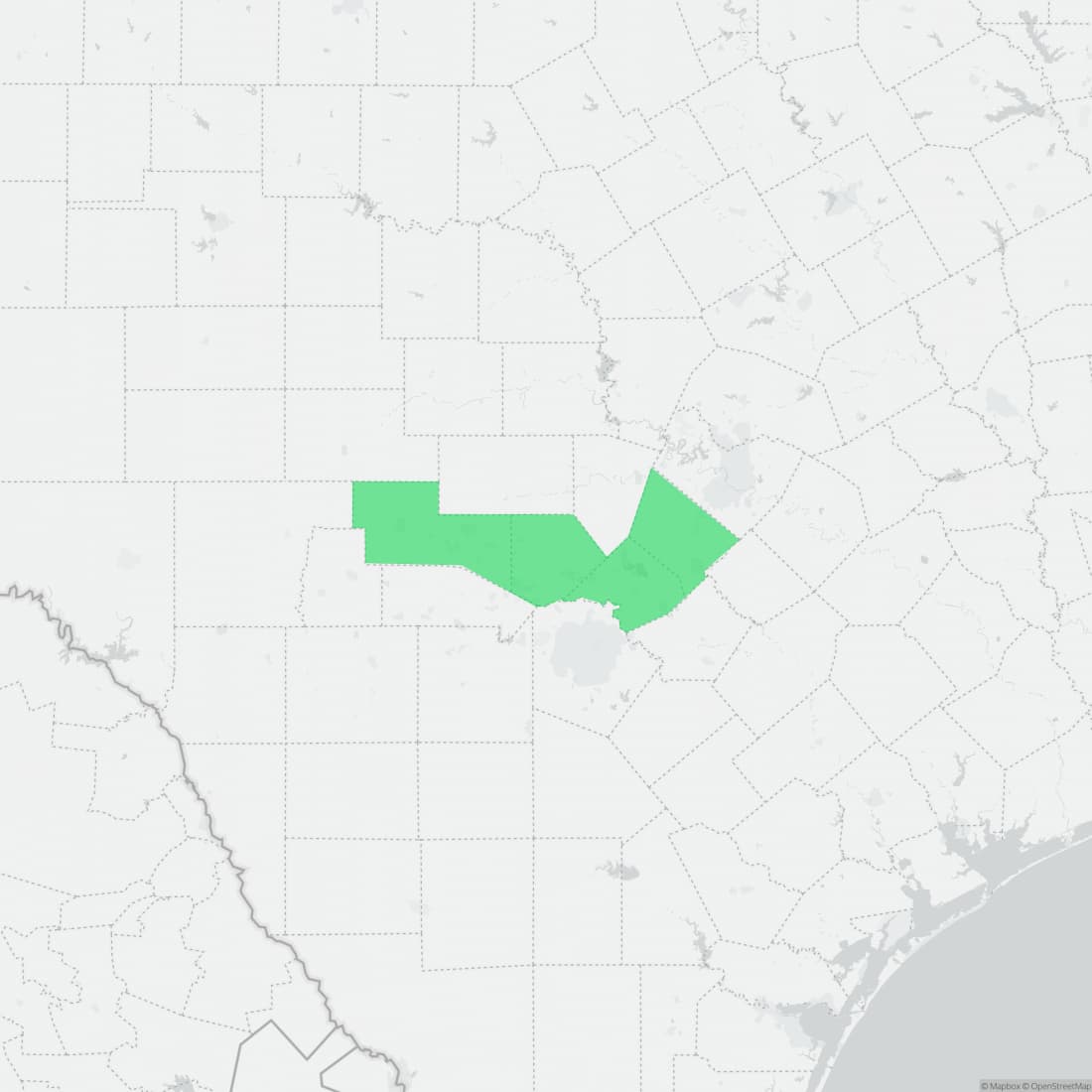
Approximate range. © Mapbox © OpenStreetMap