Georgetown Salamander
Eurycea naufragia
Neotenic species that remains in juvenile aquatic form. They only reach 2-3 inches in total length and have a translucent ventrum. Their dorsal surfaces are usually some…
How to identify
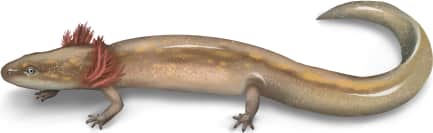
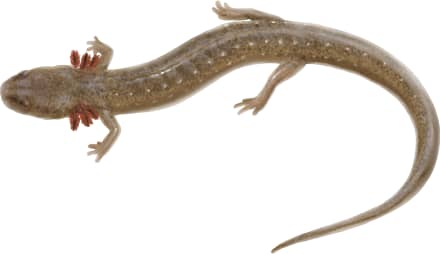
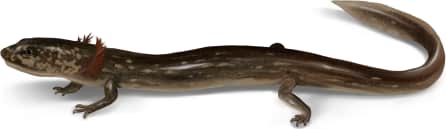
Neotenic species that remains in juvenile aquatic form. They only reach 2-3 inches in total length and have a translucent ventrum. Their dorsal surfaces are usually some shade of grey, brown, or olive with light speckling. They have 3 external gills on each side, and a broad short snout. Most have a light stripe down the top of the tail. They have 14-16 costal grooves. A dark stripe runs from the corner of each eye to the nasal opening.
Range
Extremely small range in central Texas north of Austin; found only in natural springs in Williamson County.
Habitat
Strictly aquatic species that hides among the debris at the bottom of spring-fed bodies of water, sometimes within caves. They are most often found within a few meters of the spring's origin.
Variations
Some are very pale, almost pinkish, while most are darker in color.
Similar species
Many neotenic salamander species look very similar, but are not found in the same places. Some examples include the Texas salamander (*Eurycea neotenes*) or Valdina Farms salamander (*Eurycea troglodytes*).
Name and etymology
Genus
Eurycea
Probably honoring Eurydice the wife of Orpheus in Greek mythology. Although Rafinesque, who named the genus, only wrote "mythological"
Origin
Honors
Sources
- Rafinesque, 1822. Kentucky Gazette, Lexington, N. S., Vol. 1, No. 9, Feb. 28, p. 3, column 6
Eurycea. Rafinesque, 1822 - Kentucky Gazette, Lexington, N. S., Vol. 1, No. 9, Feb. 28, p. 3, column 6
Species epithet
naufragia
Latin for shattered remains, referencing it's fragmented spring habitat.
Origin
Sources
- Chippindale, Price, Wiens and Hillis, 2000
Eurycea naufragia. Chippindale, Price, Wiens and Hillis, 2000
Explore more names in the etymology index.
At a glance
Range
Extremely small range in central Texas north of Austin; found only in natural springs in Williamson County.
Habitat
Strictly aquatic species that hides among the debris at the bottom of spring-fed bodies of water, sometimes within caves. The…
Guide
Reptiles and Amphibians of North America
Range map
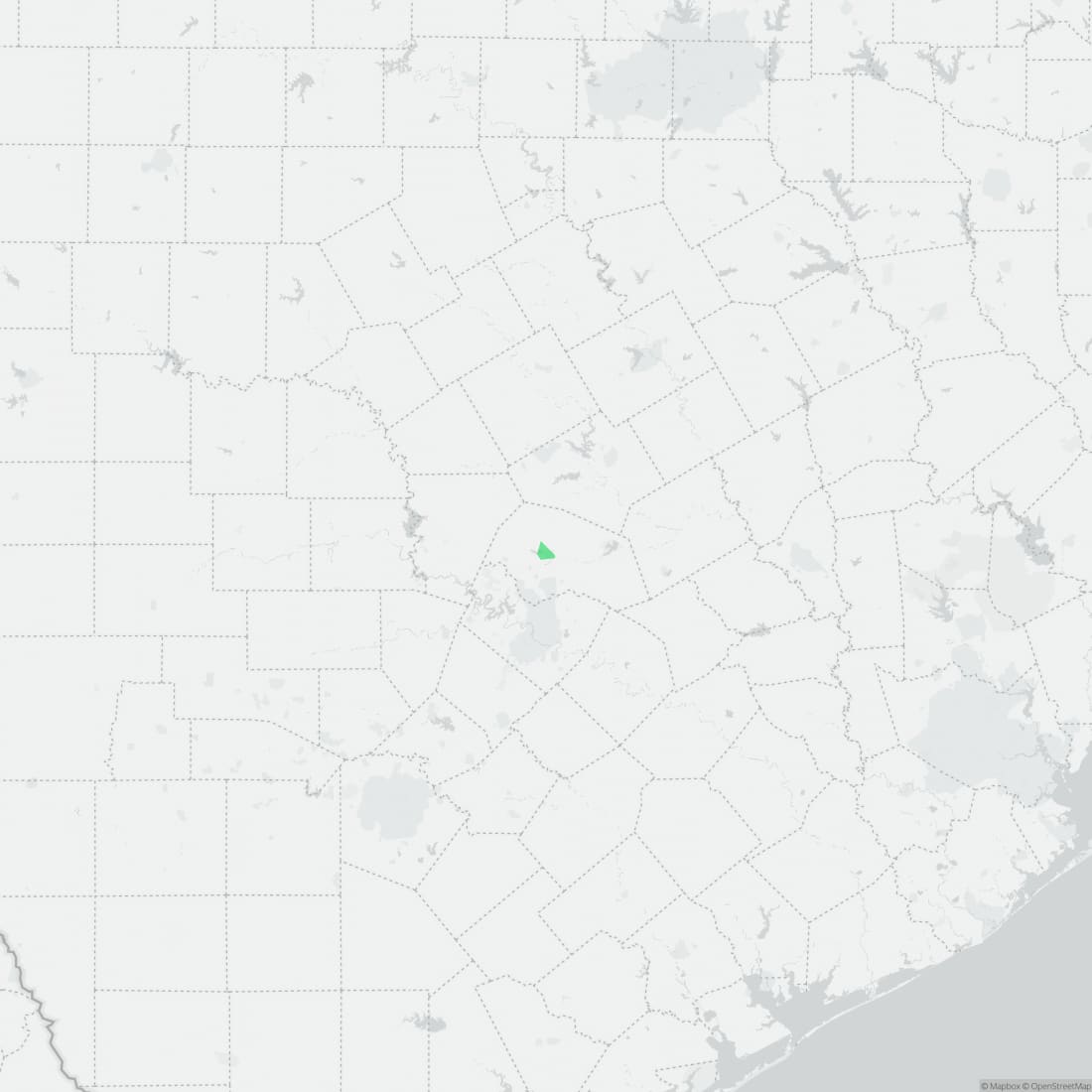
Approximate range. © Mapbox © OpenStreetMap