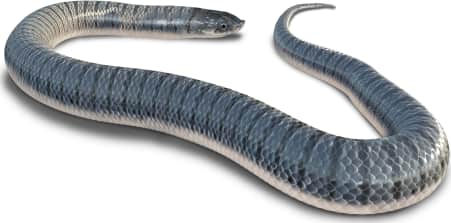
Tamaulipan Hook-nosed Snake
Ficimia streckeri
They grow up to 5 to 11 inches. They are usually gray or brown with about 60 dark blotches arranged horizontally on the dorsum to look like stripes. They have white or p…
How to identify
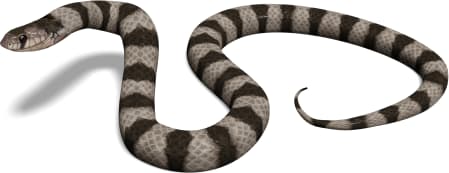
They grow up to 5 to 11 inches. They are usually gray or brown with about 60 dark blotches arranged horizontally on the dorsum to look like stripes. They have white or pale-colored undersides. A key distinguishing feature of the Hooknose snake is its upturned snout from which its name is derived and distinctive arrangements of head shields. They have arranged in 17 rows smooth dorsal scales at mid-body. They do not have internasals.
Range
The Tamaulipan Hooknose snake is endemic to the Mexican states of Tamaulipas, Nuevo León, Potosi, Puebla and San Luis. Its range also extends north into the US state of Texas.
Habitat
The non-venomous Tamaulipan Hooknose snake lives on the floodplains of the Rio Grande, on the boundary of agricultural fields, and can be found on irrigated lawns. They are nocturnal and burrow in a loose soil substrate and plant debris. They feed on spiders, centipedes and other small invertebrates. They are oviparous. When threatened, they make a popping sound with their cloaca.
Similar species
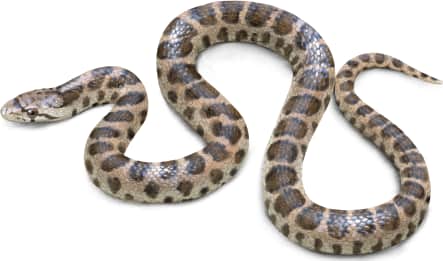
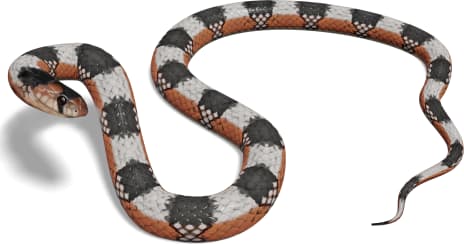
The Western hooknose snake or Gyalopion canum grows to about 14 inches. It is gray to grayish-brown with black or brown spots on the dorsum. Its snout is slightly upturned giving it the Hooknose name. Thornscrub Hook-Nosed Snake or Gyalopion quadrangulare is 12 inches and relatively stocky. On an off white to light cream dorsum, the thornscrub Hooknose snake has black rectangular saddles bothered on the sides by bold orange saddles. Glossy snake or Arizona elegans has a lot of subspecies which grow between 30 to 50 inches. They can be tan, gray or brown with spots on their glossy smooth skin. They have a pale to whitish underside and overall coloration is determined by soil color in its habitat.
Name and etymology
Genus
Ficimia
Unknown reference. Note: Dr. J.E. Gray, was known for inventing meaningless scientific names.
Origin
Sources
- Gray, 1849. Cat. Snakes Brit. Mus., p. 80
Ficimia. Gray, 1849 - Cat. Snakes Brit. Mus., p. 80
Species epithet
streckeri
Honoring John K. Strecker, Jr.
Origin
Honors
Sources
- Wright and Wright, 1933. Handbook of Frogs and Toads, p. 26, pl. 35
Pseudacris streckeri. Wright and Wright, 1933 - Handbook of Frogs and Toads, p. 26, pl. 35
- Taylor, 1931. Copeia, p. 5 ↗
Ficimia streckeri. Taylor, 1931 - Copeia, p. 5
Explore more names in the etymology index.
At a glance
Range
The Tamaulipan Hooknose snake is endemic to the Mexican states of Tamaulipas, Nuevo León, Potosi, Puebla and San Luis. Its ra…
Habitat
The non-venomous Tamaulipan Hooknose snake lives on the floodplains of the Rio Grande, on the boundary of agricultural fields…
Guide
Reptiles and Amphibians of North America
Range map
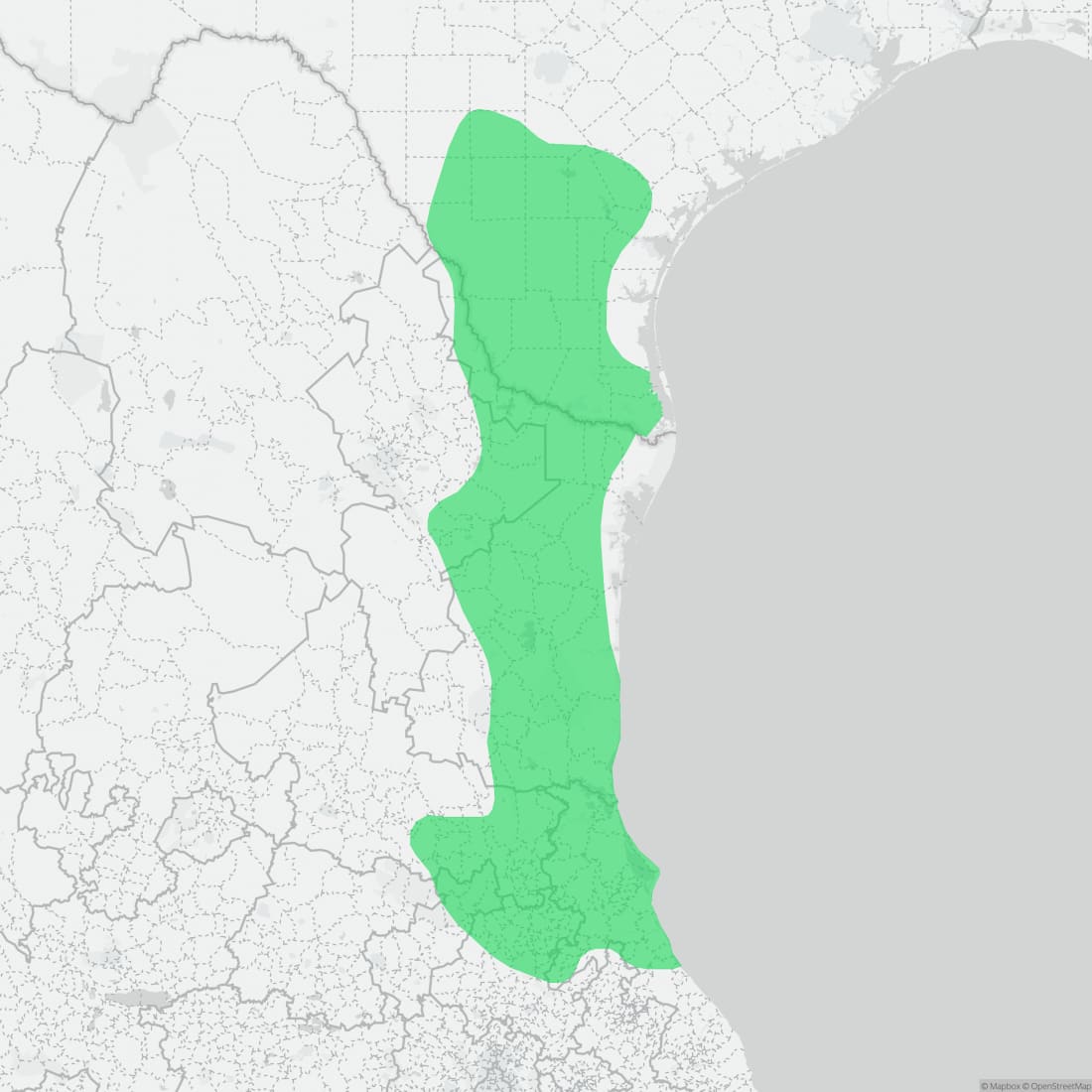
Approximate range. © Mapbox © OpenStreetMap