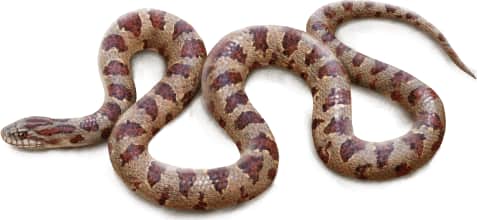
Mole Kingsnake
Lampropeltis rhombomaculata
A mid-sized snake reaching 30-40 inches in length with smooth scales. It has a smallish, narrow head, and a mildly defined neck. It is typically greyish brown with irregu…
How to identify
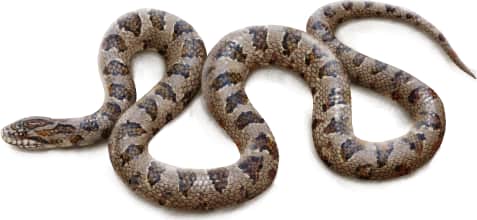
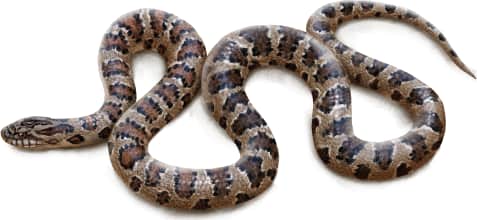
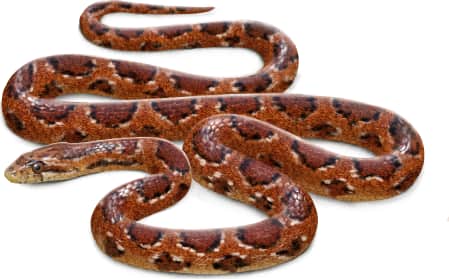
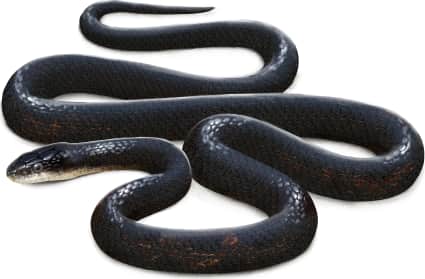
A mid-sized snake reaching 30-40 inches in length with smooth scales. It has a smallish, narrow head, and a mildly defined neck. It is typically greyish brown with irregular orange, red, or brown blotches down the length of its body. Its ventrum is pale with a light orange random checkered pattern. Juveniles are more vibrantly patterned than adults.
Range
Scattered throughout the mid-Atlantic coastal states, from Maryland through South Carolina. Also sporadically found in central Tennessee, northern Alabama, western Georgia, and the Florida panhandle.
Habitat
They thrive in open areas like fields, barnyards, prairies, farmland, rocky hillsides, thickets, open woodland, Flatwoods, and pastures. Habitats with dry, loose soil and a permanent source of water. Mole kingsnakes spend a lot of time underground and are very secretive. They can also be found in residential areas. They feed primarily on rodents, their diet also includes small mammals and other small animals like bird, lizards and other snakes. The breeding period is at the end of spring to early summer and females lay up to 17 eggs. The eggs are laid underground in the summer and hatch in late summer to early fall.
Similar species
Name and etymology
Genus
Lampropeltis
Greek for shiny (lampros) shield (pelta), referencing the shiny scales of the genus.
Origin
Sources
- Fitzinger, 1843. Syst. Rept., p. 25 ↗
Lampropeltis. Fitzinger, 1843 - Syst. Rept., p. 25
Species epithet
rhombomaculata
Greek for spotted (maculata) geometric figure (rhombos).
Origin
Sources
- (Holbrook, 1840). N. Amer. Herp., Ed. 1, Vol. 4, p. 103, pl. 20 ↗
Lampropeltis calligaster rhombomaculata. (Holbrook, 1840) - N. Amer. Herp., Ed. 1, Vol. 4, p. 103, pl. 20
Explore more names in the etymology index.
At a glance
Range
Scattered throughout the mid-Atlantic coastal states, from Maryland through South Carolina. Also sporadically found in centra…
Habitat
They thrive in open areas like fields, barnyards, prairies, farmland, rocky hillsides, thickets, open woodland, Flatwoods, an…
Guide
Reptiles and Amphibians of North America
Range map
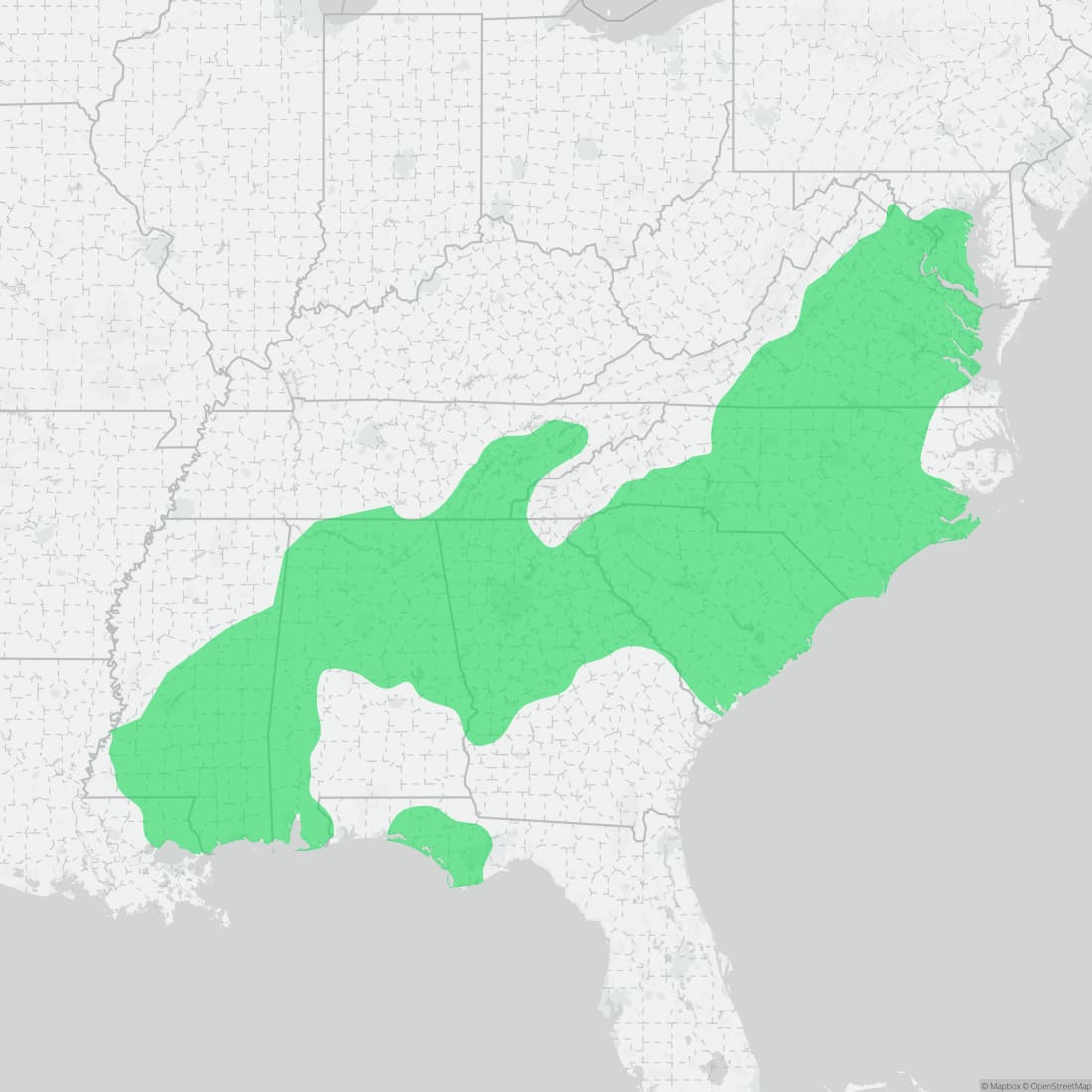
Approximate range. © Mapbox © OpenStreetMap