Eastern Milksnake
Lampropeltis triangulum
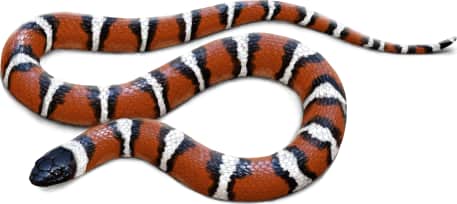
Tan or gray dorsum with three to five rows of reddish-brown blotches with black edges followed by white bands. Rear of head usually exhibits a tan or gray mark that resem…
How to identify
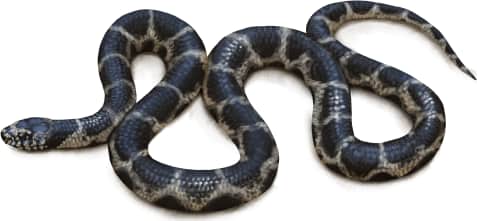
Tan or gray dorsum with three to five rows of reddish-brown blotches with black edges followed by white bands. Rear of head usually exhibits a tan or gray mark that resembles a "V" or "Y." White belly with square black markings; similar in appearance to a checkerboard. Adults and young appear alike, but young possess much redder blotches. When born, usually are about 6 inches and can grow to about 4 feet. Males usually are larger in size than females. Mating occurs between May to late June and females lay their eggs in June or July. Clutch sizes range from 3 to 24 eggs. Eggs incubate for two months and will hatch in August or September.
Range
Central to eastern North America from southern Minnesota, Michigan, southern Ontario, Canada, southern Quebec, Canada, and southern Maine to northern Georgia, northern Alabama, Mississippi, and northeastern Louisiana. Spotted populations may exist in Arkansas.
Habitat
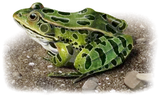
Can be found in grassy fields, wooded slopes, agricultural areas, mountains, and rocky outcrops. Spends most of its time hidden either under rocks and logs or burrowed in the ground. Snakes, mice and lizards are its most common diet but will also eat insects, earthworms, and frogs.
Variations
One of more than 20 subspecies of milk snake recognized today. Another subspecies Sinaloan milksnake, or *Lampropeltis triangulum sinaloae*, possesses broader red bands on its dorsum than any other subspecies. Subspecies Black Milk Snake, or *Lampropeltis triangulum gaigeae*, is completely black as the name suggests. Although it is born with typical milk snake markings, its colors darken to black as it grows.
Similar species
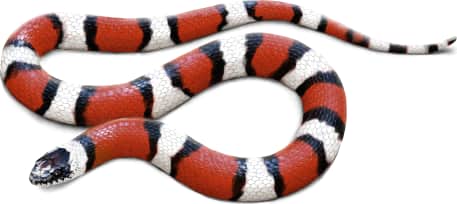
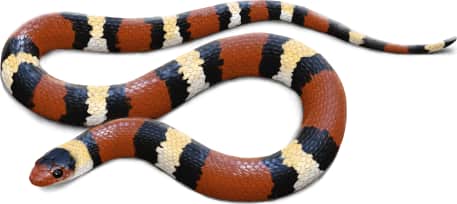
Scarlet Kingsnake - Lampropeltis elapsoides Sinaloan milksnake - Lampropeltis triangulum sinaloae Black Milk Snake - Lampropeltis triangulum gaigeae
Name and etymology
Genus
Lampropeltis
Greek for shiny (lampros) shield (pelta), referencing the shiny scales of the genus.
Origin
Sources
- Fitzinger, 1843. Syst. Rept., p. 25 ↗
Lampropeltis. Fitzinger, 1843 - Syst. Rept., p. 25
Species epithet
triangulum
Latin for three (tri) angles or corners (angulum), referencing head pattern.
Origin
Sources
- (Lacepede, 1788). Hist. Nat. Quadr. Ovip. Serp., Vol. 2, tabl. meth., p. 86
Lampropeltis triangulum. (Lacepede, 1788) - Hist. Nat. Quadr. Ovip. Serp., Vol. 2, tabl. meth., p. 86
Explore more names in the etymology index.
At a glance
Size
35 to 175 cm
Range
Central to eastern North America from southern Minnesota, Michigan, southern Ontario, Canada, southern Quebec, Canada, and so…
Habitat
Can be found in grassy fields, wooded slopes, agricultural areas, mountains, and rocky outcrops. Spends most of its time hidd…
Range map
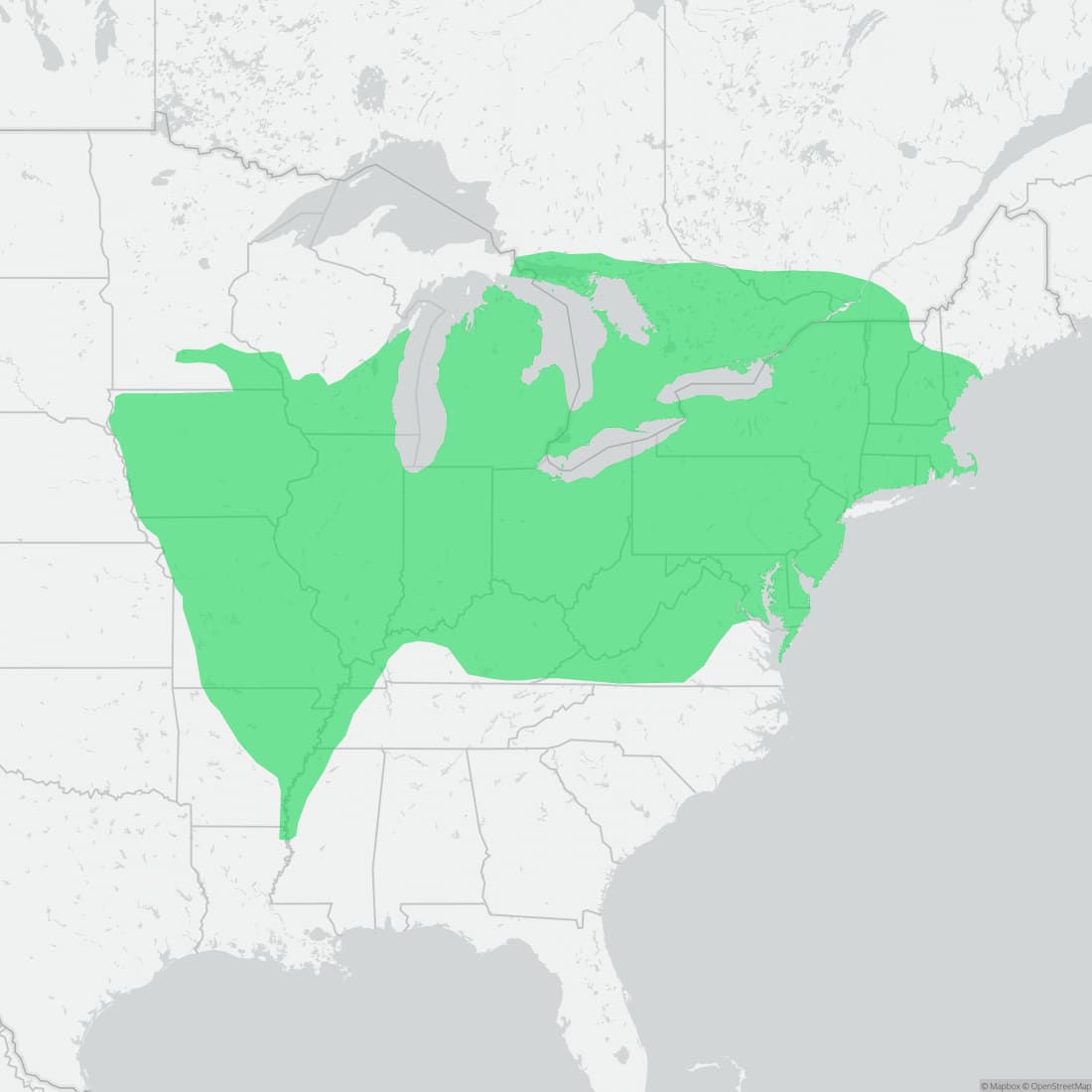
Approximate range. © Mapbox © OpenStreetMap