
Baird's Ratsnake
Pantherophis bairdi
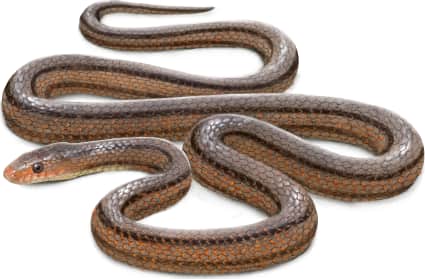
This specie can grow up to 640 – 1400 mm in total length. Its scales are faintly keeled with 27 scale rows at midbody. The dorsal colour is grey-brown with scales edged i…
How to identify
This specie can grow up to 640 – 1400 mm in total length. Its scales are faintly keeled with 27 scale rows at midbody. The dorsal colour is grey-brown with scales edged in or orange-yellow on the forebody. But it goes deep orange or salmon toward the rear. Additionally, the belly is usually grey to yellow. It then darkens near the tail. The adults have 4 dark longitudinal stripes. It also has a divided anal plate. Lastly, it is known to be elusive and difficult to find in the wild.
Range
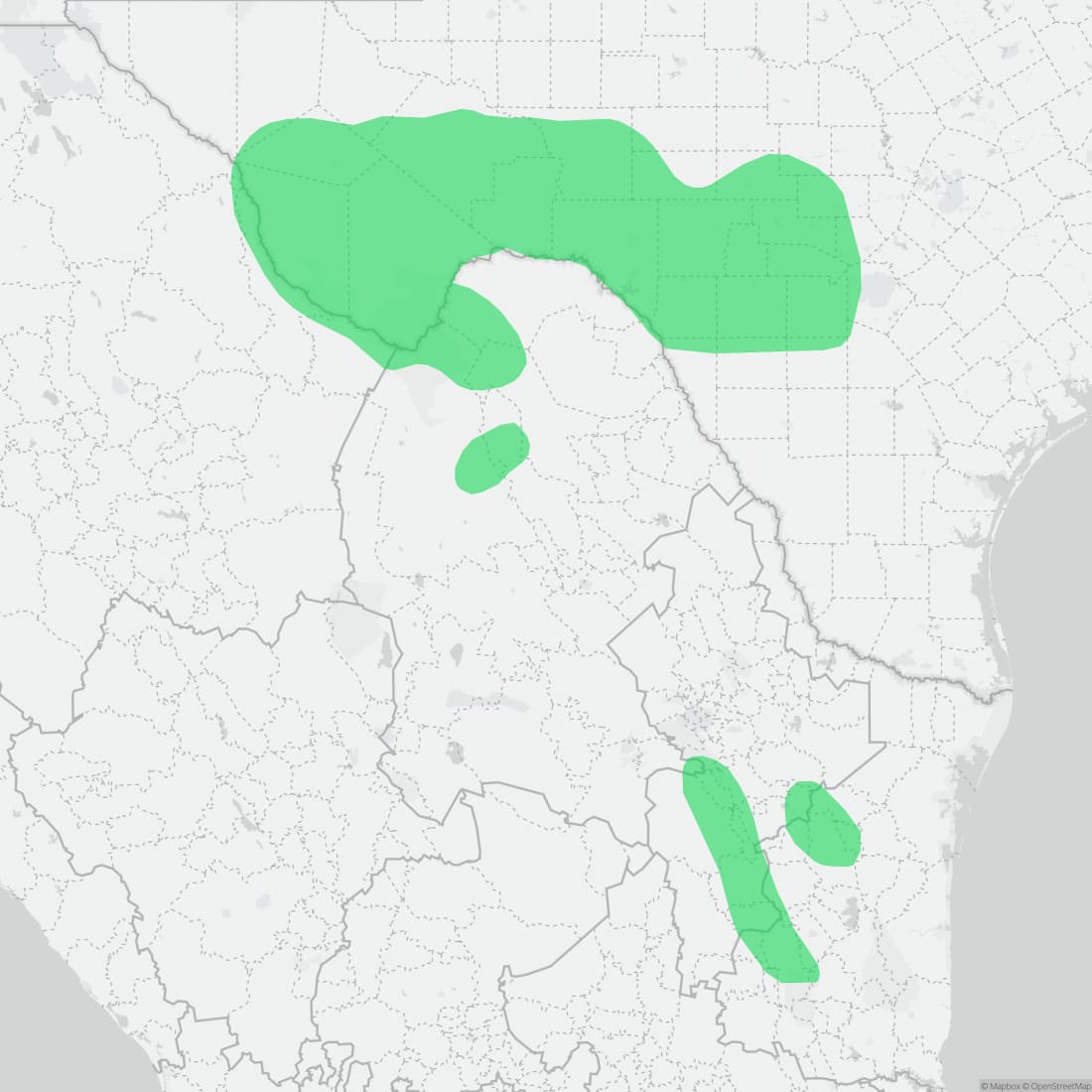
The Baird’s Ratsnake is endemic to the United States. It can be found in the Big Bend region of western Texas. It can also be found in northern Mexico in the Mexican states of Coahuila, Nuevo Leon and Tamaulipas.
Habitat
The Baird’s Ratsnake can be located across rocky, wooded areas of Cretaceous limestone canyons of the Edwards Plateau. It can also be found upland and desert parts of the Trans – Pecos. This specie is usually calm and slow-moving. Although, it will hiss and possibly attack if threatened. It feeds on small mammals like bats, birds, lizards and so on. Additionally, their reproduction process takes place in early summer. Then a clutch is given birth to in mid-summer. Incubation usually takes as long as 12 weeks.
Similar species
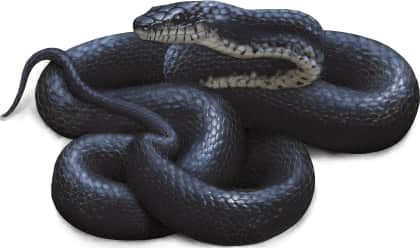
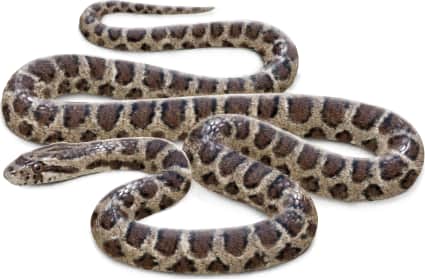
Pantherophis alleghaniensis: Also known as Eastern Ratsnake. It ranges from 900 – 1800 mm in total length. Their eyes are round with a black pupil. Pantherophis emoryi: Also known as Great Plains Ratsnake. It ranges from 914.4 – 1524 mm in total length. They are usually grey or tan. Then it has dark grey, brown or green-grey blotching down its back.
Name and etymology
Genus
Pantherophis
Greek for panther snake (ophis).
Origin
Sources
- Fitzinger
Elaphe. Fitzinger
Species epithet
bairdi
Honoring Spencer Fullerton Baird.
Origin
Honors
Sources
- (Yarrow, 1880).
Elaphe bairdi. (Yarrow, 1880) -
Explore more names in the etymology index.
At a glance
Range
The Baird’s Ratsnake is endemic to the United States. It can be found in the Big Bend region of western Texas. It can also be…
Habitat
The Baird’s Ratsnake can be located across rocky, wooded areas of Cretaceous limestone canyons of the Edwards Plateau. It can…
Guide
Reptiles and Amphibians of North America
Range map
Approximate range. © Mapbox © OpenStreetMap