Rough Earthsnake
Virginia striatula
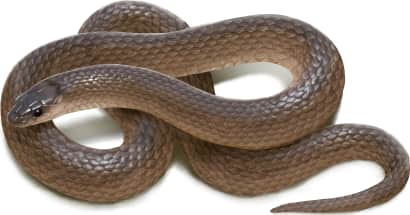
A small, slender snake with an undefined neck and a head that tapers to a pointed snout. It averages 7-10 inches in body length and has mildly keeled dorsal scales. It is…
How to identify
A small, slender snake with an undefined neck and a head that tapers to a pointed snout. It averages 7-10 inches in body length and has mildly keeled dorsal scales. It is solid tan, brown, or dark olive in dorsal coloration. This color fades subtly to an unmarked whitish ventrum. It has round pupils.
Range
Wide-ranging throughout the southeastern United States, from the eastern half of Texas, north to central Missouri, and east through the Gulf and Atlantic coastal states to southeastern Virginia. It is absent in the Florida peninsula.
Habitat
This snake spends most of its time underground or hidden beneath rocks, logs, or leaf litter. It is commonly found in compost piles or garden soil. It will inhabit forested areas or urban environments, as long as there is plenty of ground cover.
Variations
Juveniles have a pale collar on the neck, which disappears with age. Earth-toned dorsal coloration varies from tan to brown to grey to olive green to almost black.
Similar species
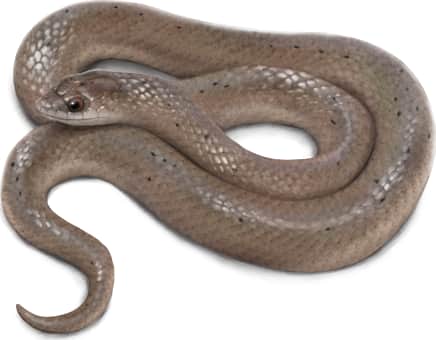
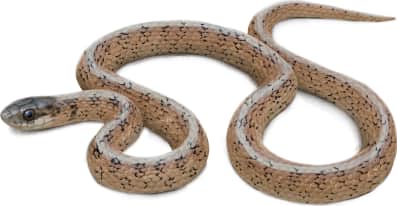
Most similar to the smooth earthsnake (*Virginia valeriae*) or Dekay's brown snake (*Storeria dekayi*), but also resembles the flat-headed snake (*Tantilla gracilis*) or eastern worm snake (*Carphophis amoenus*).
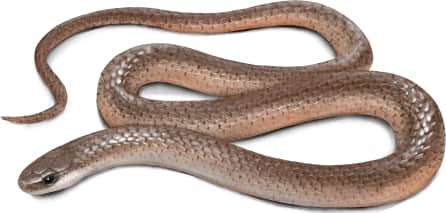
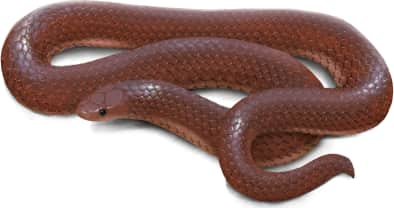
Name and etymology
Genus
Virginia
Belong to Virginia.
Origin
Sources
- Baird and Girard, 1853. Cat. N. Amer. Rept., Pt. 1, p. 127 ↗
Virginia. Baird and Girard, 1853 - Cat. N. Amer. Rept., Pt. 1, p. 127
Species epithet
striatula
Latin for little striped (striatus)
Origin
Sources
- (Linnaeus, 1766). Syst. Nat., 12th ed., Vol. 1, p. 375 ↗
Virginia striatula. (Linnaeus, 1766) - Syst. Nat., 12th ed., Vol. 1, p. 375
Explore more names in the etymology index.
At a glance
Range
Wide-ranging throughout the southeastern United States, from the eastern half of Texas, north to central Missouri, and east t…
Habitat
This snake spends most of its time underground or hidden beneath rocks, logs, or leaf litter. It is commonly found in compost…
Guide
Reptiles and Amphibians of North America
Range map
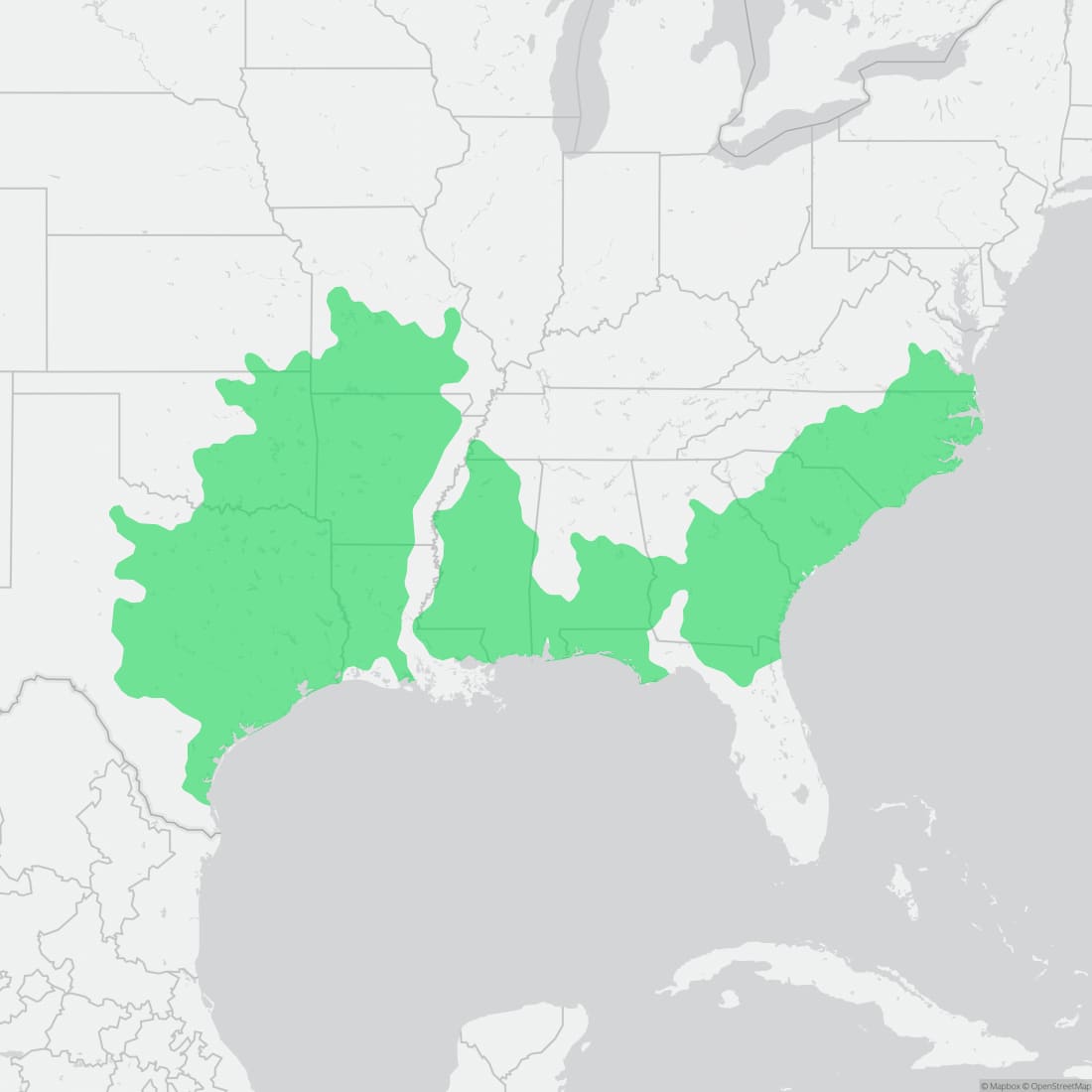
Approximate range. © Mapbox © OpenStreetMap