Arboreal Salamander
Aneides lugubris
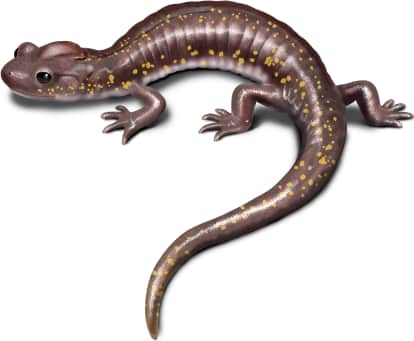
Arboreal salamander has a gray body that is covered in creamy yellow spots. They can be spotted or not. Adults are roughly 6.5 -10cm in length. Juvenile is dark overall a…
How to identify
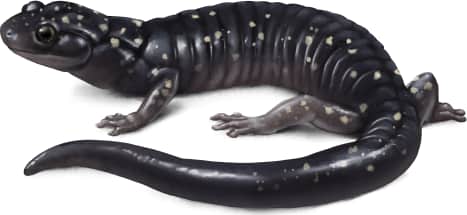
Arboreal salamander has a gray body that is covered in creamy yellow spots. They can be spotted or not. Adults are roughly 6.5 -10cm in length. Juvenile is dark overall and clouded with grey and yellow speckles on its back. Male species are distinguished by a triangular head and a front jaw extending beyond its bottom line.
Range
This species of salamander is native to California and Baja California del Norte in the western coast of the United States of America. They are also found in the Sierra Nevada mountains.
Habitat
The aneides lugubris is associated with oak and sycamore woodlands and thick chaparral. They feed on insects and a variety of small invertebrates like Millipedes, worms, snails, ants, termites, snow bugs, centipedes and moths. They are nocturnal and they spend hours hiding from the daylight sun. Adults lay and protect their eggs in the subterranean burrows. They have no larval stage, and the young emerge from eggs fully formed and 24mm in length. Maturity is attained at 2.69 years and can live for 8-10 years.
Similar species
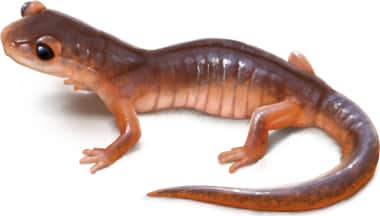
Pseudoeurycea ruficauda or Orange-tailed Agile Salamander The Pseudoeurycea ruficauda is endemic to Mexico. It can be found in its natural habitats re the subtropical or tropical moist montane forest. It’s about 45mm in length with both long legs and broadly spread feet. It is brightly colored with a red-orange tail, black and orange head and body.
Name and etymology
Genus
Aneides
Greek for lacking (an-) shape (eidos).
Origin
Sources
- Baird, 1849.
Aneides. Baird, 1849 -
Species epithet
lugubris
Latin for gloomy or dark
Origin
Sources
- (Hallowell, 1849). Proc. Acad. Nat. Sci. Philadelphia, Vol. 4, p. 126 ↗
Aneides lugubris. (Hallowell, 1849) - Proc. Acad. Nat. Sci. Philadelphia, Vol. 4, p. 126
Explore more names in the etymology index.
More illustrations
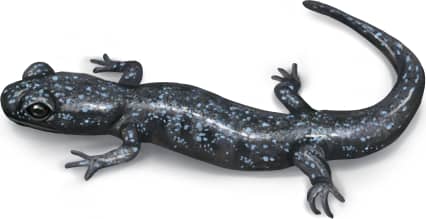
Juvenile
At a glance
Range
This species of salamander is native to California and Baja California del Norte in the western coast of the United States of…
Habitat
The aneides lugubris is associated with oak and sycamore woodlands and thick chaparral. They feed on insects and a variety of…
Guide
Reptiles and Amphibians of North America
Range map
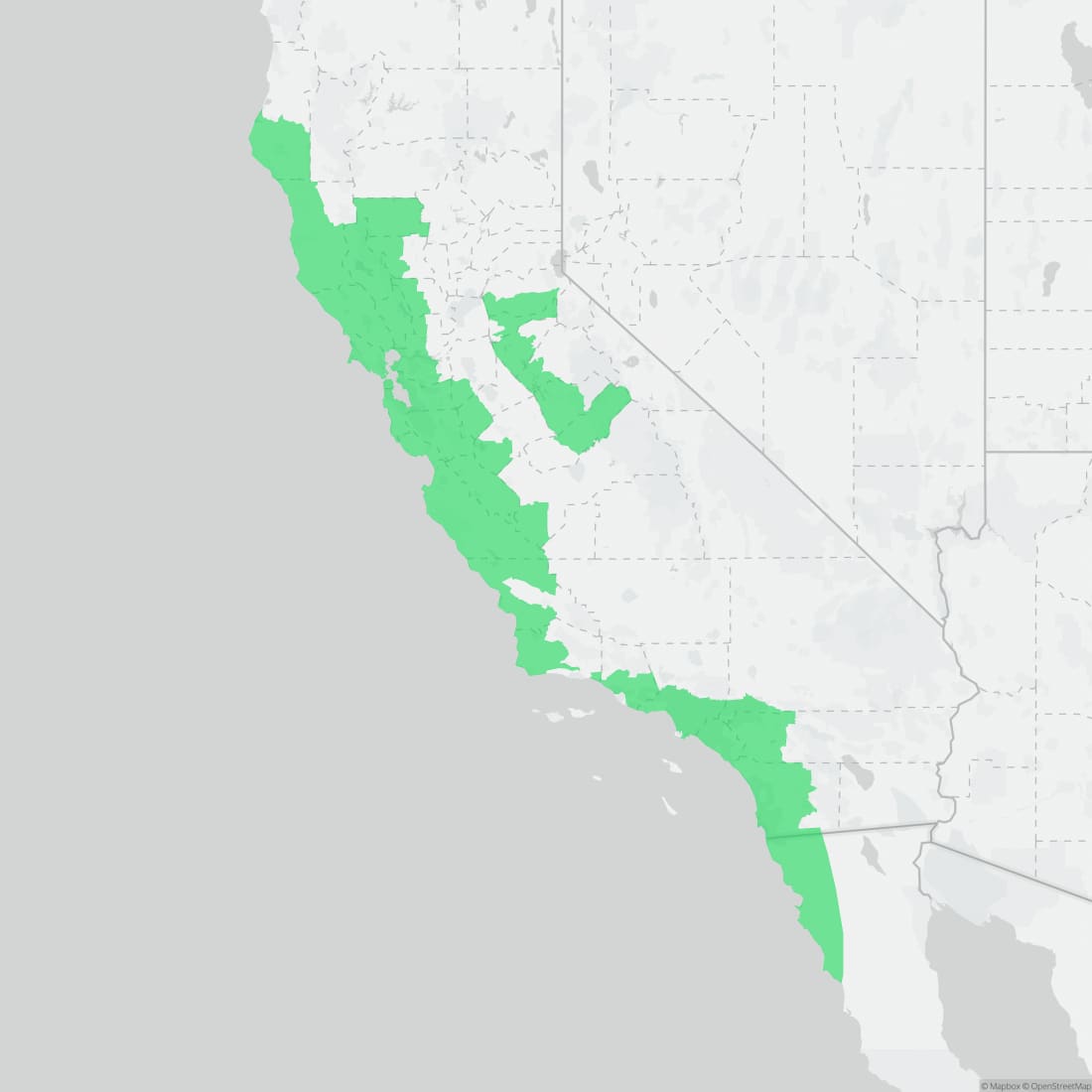
Approximate range. © Mapbox © OpenStreetMap