Wandering Salamander
Aneides vagrans
The wandering salamander is long and slender and usually grows to a length of that varies from three to five inches. It has a pair of nasolabial grooves within its nose a…
How to identify
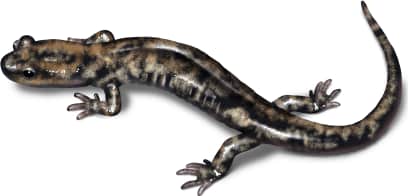
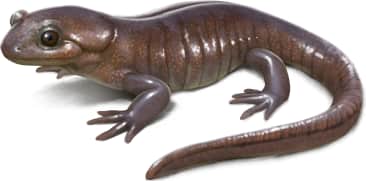
The wandering salamander is long and slender and usually grows to a length of that varies from three to five inches. It has a pair of nasolabial grooves within its nose and sixteen coastal grooves on either side of its body. Its legs are relatively long with toes having expanded terminal ends with square-cut ends. It also has a prehensile tail, round in cross-section which is useful when clambering among tree branches. Its back color varies from brown to light grey marbled with bronze specks. The males have a broader and more triangular head than the females.
Range
The Aneides Vagrans is native to the coastal strip of California in the United States but introduced via oak wood trade into British Columbia and Canada.
Habitat
They are found in coastal areas at low elevations often at borders of clearings under barks of fallen or standing trees. They are fully terrestrial with rock faces with deep cracks containing wood debris as also suitable habitats. Reproduction is terrestrial with males achieving sexual maturity when showcasing a well-developed mental gland in their second year whilst females mature in their third year having the ability to lay 6 to 9 eggs. The females are known to stay with the eggs until they hatch. They are generalist feeders that consume small invertebrates such as ants, mites, beetles, and isopods.
Similar species
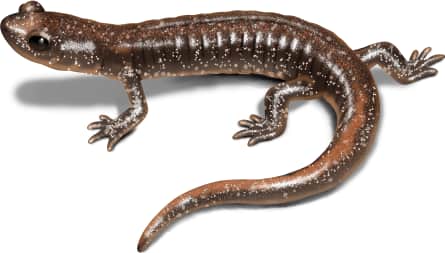
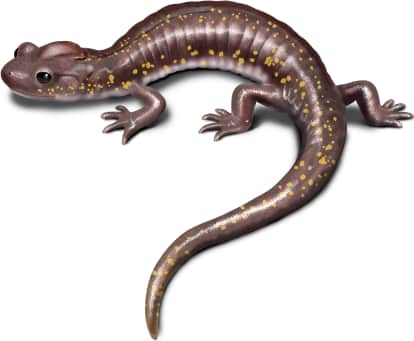
The North-Western Salamander or Ambystoma gracile is distinctly large with parotid glands behind the eyes. The arboreal Salamander or Aneides lugubris has a purplish brown coloration with or without gold or yellow blotches. The Clouded Salamander or Aneides ferreus grows to about 5 inches with a brass colored streak running down the center of its back.
Name and etymology
Genus
Aneides
Greek for lacking (an-) shape (eidos).
Origin
Sources
- Baird, 1849.
Aneides. Baird, 1849 -
Species epithet
vagrans
Latin for wandering, vagrent.
Origin
Sources
- (Wake and Jackman, 1999)
Aneides vagrans. (Wake and Jackman, 1999)
Explore more names in the etymology index.
At a glance
Range
The Aneides Vagrans is native to the coastal strip of California in the United States but introduced via oak wood trade into…
Habitat
They are found in coastal areas at low elevations often at borders of clearings under barks of fallen or standing trees. They…
Guide
Reptiles and Amphibians of North America
Range map
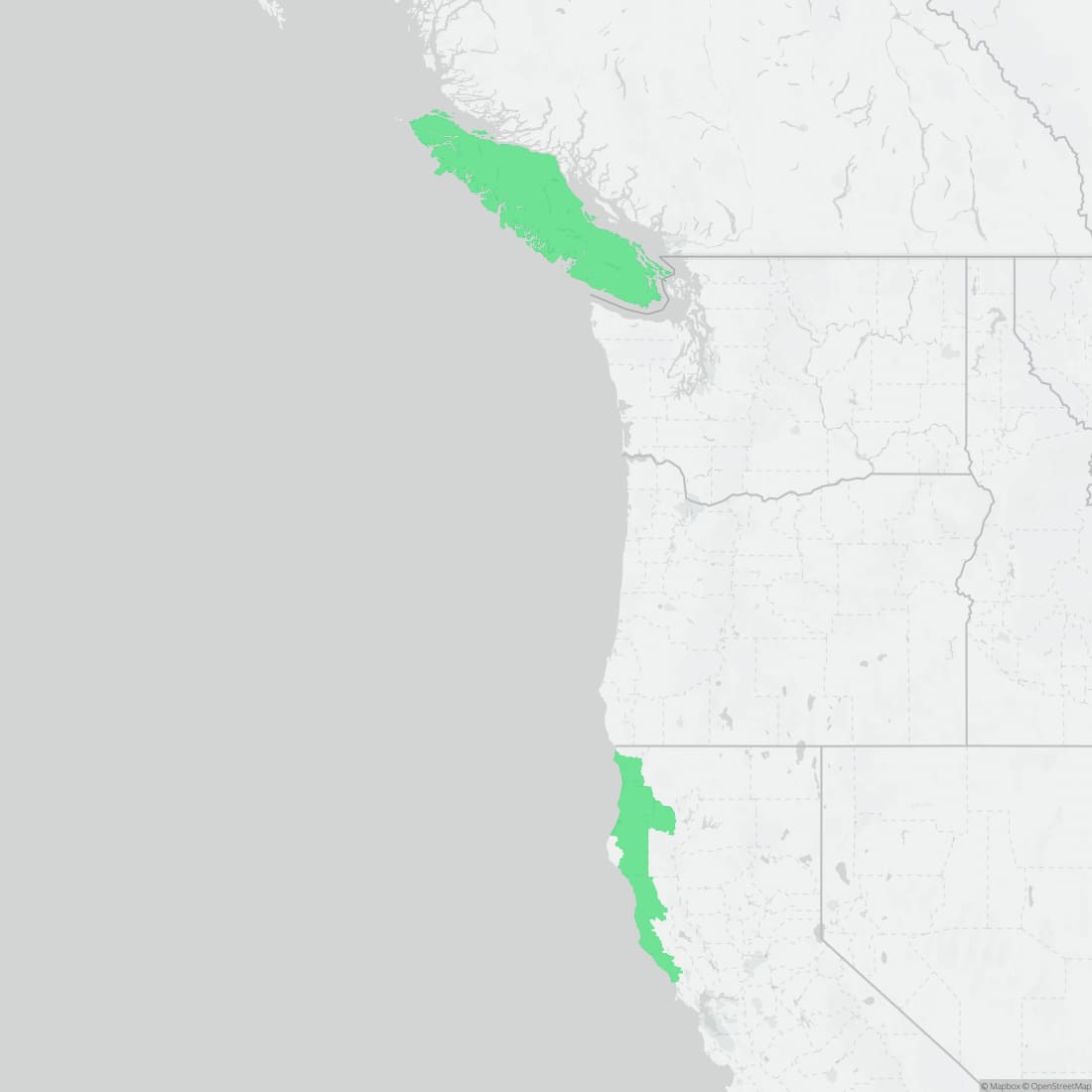
Approximate range. © Mapbox © OpenStreetMap