Texas Tortoise
Gopherus berlandieri
Of the four species of tortoise, the Berlandier’s tortoise is the smallest with an average size of 8 – 10 inches as adults. It has on its rounded carapace, a dark brown c…
How to identify
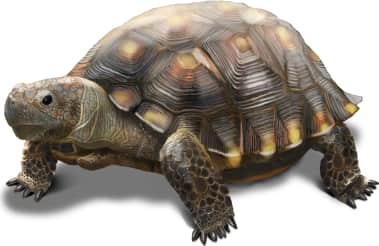
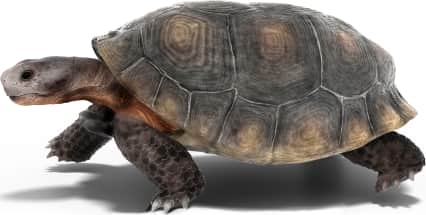
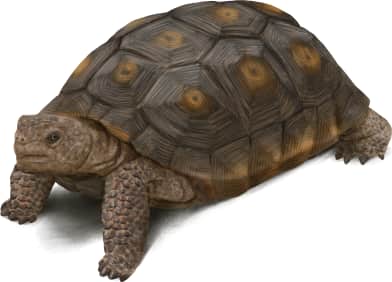
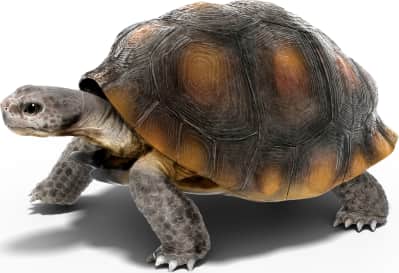
Of the four species of tortoise, the Berlandier’s tortoise is the smallest with an average size of 8 – 10 inches as adults. It has on its rounded carapace, a dark brown coloration with beige highlights on the pleural and vertebral scutes. The plastron shares the same dark brown color. However, head, limbs, and neck vary a bit more and can range in colors from tan to dark brown. Black scales at the bottom of the feet and on the front of the limbs are evident in some specimens. Mental glands are visible in adults on their lower jaws. Juvenile tortoises appear lighter in color with more obvious patterns that darken with age.
Range
The Berlandier’s tortoise, or more popularly called, the Texas tortoise has a range in the United States that is confined to southern Texas including Del Rio and San Antonio. Further south it can be found in Mexico in the states of Coahuila, Nuevo León, and Tamaulipas.
Habitat
Grassland and savanna-like terrains are the typical habitat for the Texas tortoise because of their high tolerance for dry climate. They can also be found seeking shelter in bushes and brush. These species can dig burrows but prefer to use other previously dug mammal burrows to reside. They also show a preference for dry sandy soil and open scrub woods. They feed mostly on weeds, cactus fruit, and grasses. These tortoises are generally herbivorous but can eat small invertebrates like snails and insects. Stranger diets include fecal matter and animal bones. Egg clutches are laid once or twice each year, with a clutch consisting of about two or three eggs that are laid in a depression in the ground. Eggs hatch in 88 – 118 days.
Similar species
African Spurred Tortoise or Centrochelys sulcata is quite similar but has lighter carapace color and is much larger (reaching up to 30 in). Common Slider or Trachemys scripta is differentiated by its distinctive yellow plastron and orange-brown carapace. Gopher Tortoise or Gopherus polyphemus similarly burrows in the ground and is of relatively equal size. But this tortoise has a gray-black overall color and a yellow plastron. Males have a concave plastron as well, while the female plastron is flat.
Name and etymology
Genus
Gopherus
French for small burrowing animal (gaufre).
Origin
Sources
- Rafinesque, 1832. Atlantic Journ., Vol. 1, No. 2, p. 64
Gopherus. Rafinesque, 1832 - Atlantic Journ., Vol. 1, No. 2, p. 64
Species epithet
berlandieri
Honoring Jean Louis Berlandier.
Origin
Honors
Sources
- Baird, 1859. Report U.S. Mex. Bound. Survey, Vol. 2, Pt. 2, Rept., p. 27, pl. 36, figs. 7-10 ↗
Rana berlandieri. Baird, 1859 - Report U.S. Mex. Bound. Survey, Vol. 2, Pt. 2, Rept., p. 27, pl. 36, figs. 7-10
- (Agassiz, 1857). Contr. Nat. Hist. U. S., Vol. 1, p. 447; Vol. 2, pl. 3, figs. 17-19 ↗
Gopherus berlandieri. (Agassiz, 1857) - Contr. Nat. Hist. U. S., Vol. 1, p. 447; Vol. 2, pl. 3, figs. 17-19
Explore more names in the etymology index.
At a glance
Range
The Berlandier’s tortoise, or more popularly called, the Texas tortoise has a range in the United States that is confined to…
Habitat
Grassland and savanna-like terrains are the typical habitat for the Texas tortoise because of their high tolerance for dry cl…
Guide
Reptiles and Amphibians of North America
Range map
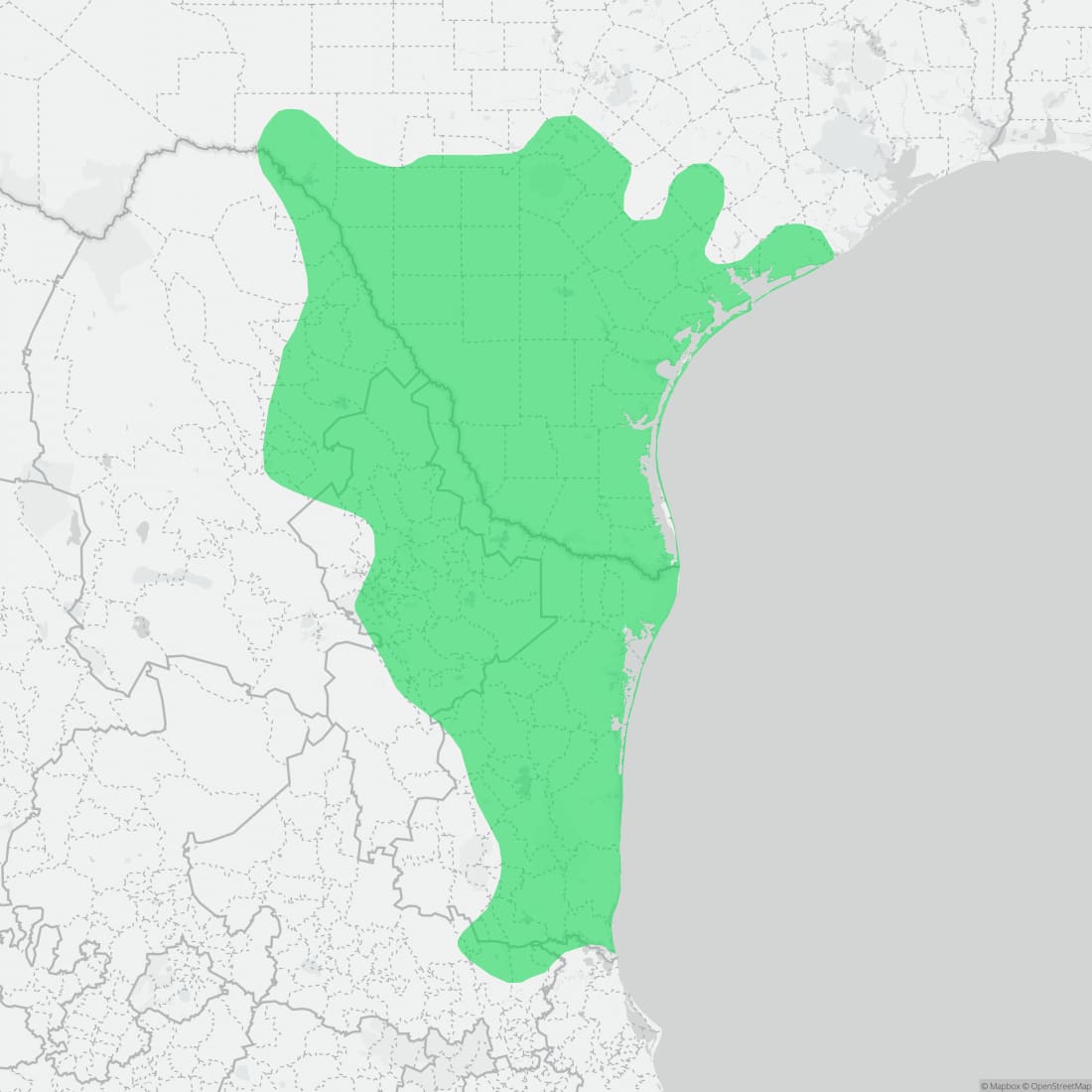
Approximate range. © Mapbox © OpenStreetMap