
Keeled Earless Lizard
Holbrookia propinqua
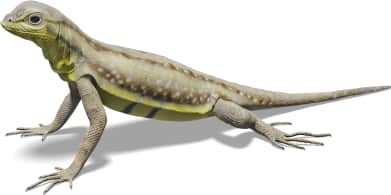
The adults of this species have a total length of about 5.5 inches and snout to vent length may be 2.5 inches. Its dorsal skin color is usually green-gray or brown. The d…
How to identify
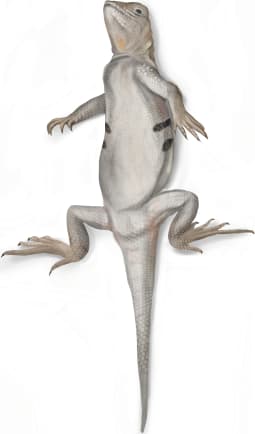
The adults of this species have a total length of about 5.5 inches and snout to vent length may be 2.5 inches. Its dorsal skin color is usually green-gray or brown. The dorsal scales of the keeled earless lizard are pointed, small and keeled. The ventral scales are smaller but similar in appearance. The males have blotches and stripes having white flecks and forelimbs with two dark diagonal lines behind them. The keeled earless lizard or Holbrookia propinqua has an unmarked venter.
Range
The keeled earless lizard or holbrookia propinqua is primarily found in Mexico, in Tamaulipas and Veracruz. Its range also include the southern Texas in the United States.
Habitat
The habitat of the keeled earless lizard ranges from barrier beaches to sandy dunes. This species is diurnal and feeds on insects. The keeled earless lizard possesses femoral pores that are thought to be used for reproduction. The females are oviparous and have a unique coloring that ranges from orange to pink when carrying eggs. The hatchlings are about 1.5 inches in length and soon become blotchy as adults.
Similar species
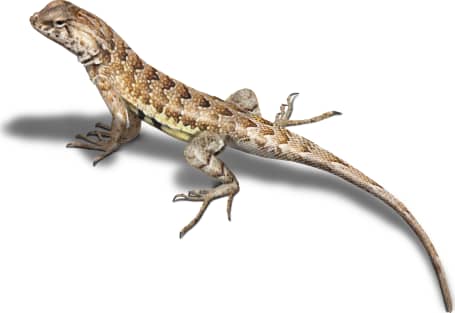
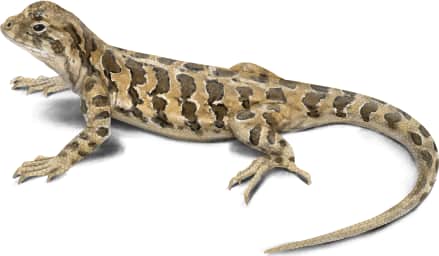
The speckles earless lizard or Holbrookia approximans is gray-brown in color and has white speckling on its back. It possesses distinct white and black bars preceding the hind limbs. Females do not have a blue coloration to white bars unlike their male counterparts. The elegant earless lizard or Holbrookia elegans has a tail length that is usually longer that its body.
Name and etymology
Genus
Holbrookia
Honoring John Edward Holbrook
Origin
Honors
Sources
- Girard, 1851. Proc. Amer. Assoc. Adv. Sci., New Haven, Vol. 4, p. 200
Holbrookia. Girard, 1851 - Proc. Amer. Assoc. Adv. Sci., New Haven, Vol. 4, p. 200
Species epithet
propinqua
Latin for near or proximate.
Origin
Sources
- Baird and Girard, 1852. Proc. Acad. Nat. Sci. Philadelphia, Vol. 6, p. 126 ↗
Sceloporus poinsettii. Baird and Girard, 1852 - Proc. Acad. Nat. Sci. Philadelphia, Vol. 6, p. 126
Explore more names in the etymology index.
More illustrations
At a glance
Range
The keeled earless lizard or holbrookia propinqua is primarily found in Mexico, in Tamaulipas and Veracruz. Its range also in…
Habitat
The habitat of the keeled earless lizard ranges from barrier beaches to sandy dunes. This species is diurnal and feeds on ins…
Guide
Reptiles and Amphibians of North America
Range map
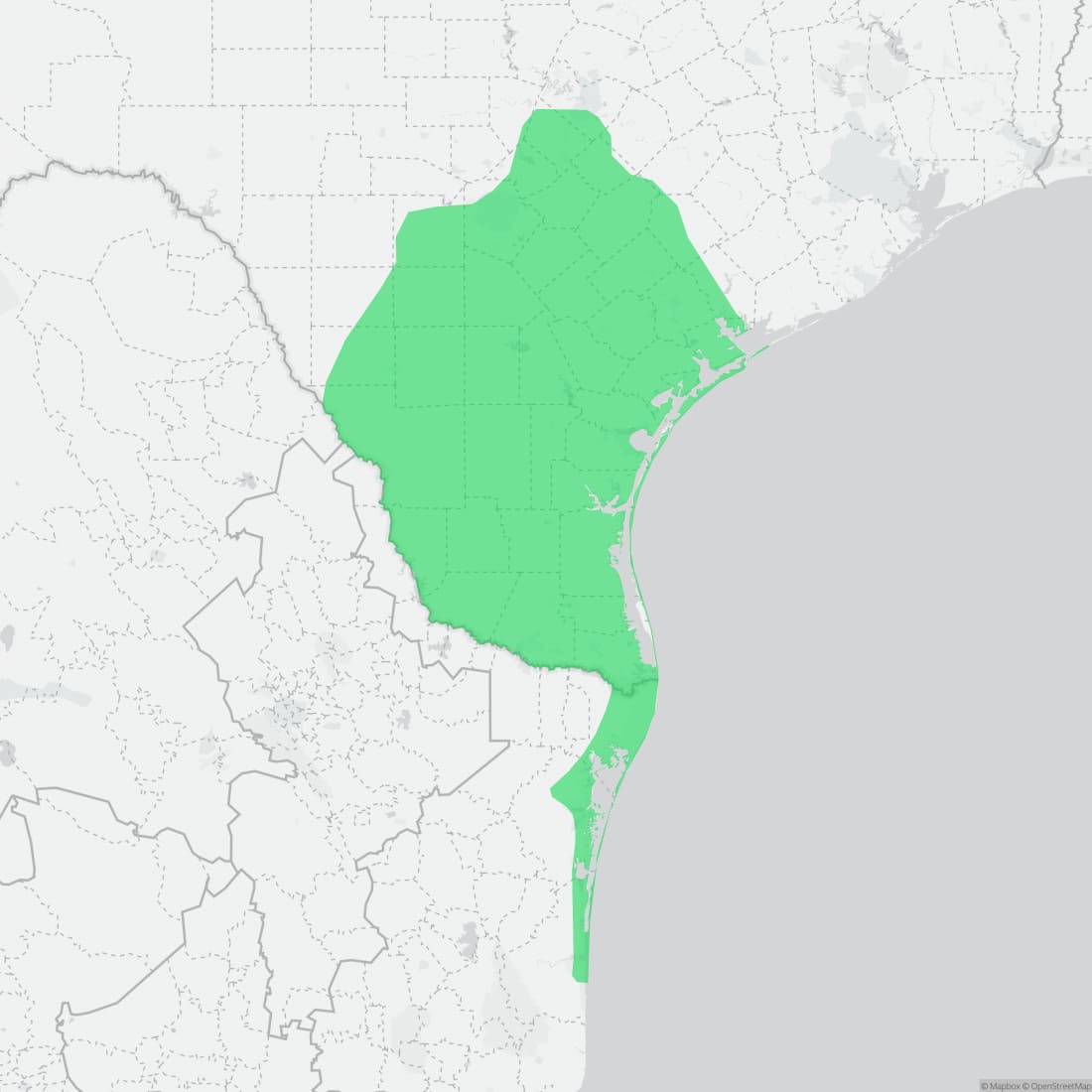
Approximate range. © Mapbox © OpenStreetMap