Samwel Shasta Salamander
Hydromantes samweli
This is a small, thickset type of salamander that ranges in length between 1.75-2.5 inches (snout-to-vent) and 3-4.3 (total length). It has webbed feet, a flattened body…
How to identify
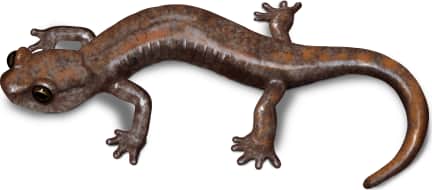
This is a small, thickset type of salamander that ranges in length between 1.75-2.5 inches (snout-to-vent) and 3-4.3 (total length). It has webbed feet, a flattened body with 13 coastal and nasolabial grooves, a broad head, and a tapered, blunt tail. The Samwel Shasta salamander has a tongue that can extend more than 2 inches from the mouth. It has a gray to dark reddish-brown color above and a pattern comprising of mottling with grayish-green to tan flecks. The tail has some yellow highlight and the venter is a grayish color. The young develop in the egg and hatch fully formed with no larvae process.
Range
This salamander is endemic to the Cascade Range near Shasta Lake in Shasta County, California.
Habitat
These salamanders thrive around the cliff faces, walls of caverns and the mixed forests of pines and oaks. They can be found in moist caves and rock crevices. They can be found in volcanic outcrops and limestone outcrops or locations with not outcrops at all. Females lay eggs in caves in the summer. They feed on insects and other small invertebrates.
Similar species
Shasta Salamander (Hydromantes shastae) is a holotype of the Hydromantes samweli and their features are pretty much the same. The main difference lies in the range. The Shasta Salamander is found south of the Shasta Lake and just northeast between Squaw Creek and Pit River. Wintu Shasta Salamander (Hydromantes wintui) is another holotype and also shares the characteristics of the Hydromantes family. This one has the smallest population group in the vicinity and can only be found near the northern bank of the Shasta Lake. The limestone salamander (Hydromantes brunus) has a flattened body and webbed feet like all the salamanders in the genus. It usually ranges between 2-3 inches. It has a short tail. This salamander is found only in the drains of the Lower Merced River.
Name and etymology
Genus
Hydromantes
Greek for water (hydro) prophet (mantis).
Origin
Sources
- Gistel, 1848. Naturgesch. Thierr., p. xi
Hydromantes. Gistel, 1848 - Naturgesch. Thierr., p. xi
Species epithet
samweli
Belonging to Samwel Cave, where the species was originally found. The name of the cave is derived from “Sa-Wal”, meaning “Grizzly Bear” in the language of the Winnemen Wintu Tribe.
Origin
Sources
- Wikipedia: Hydromantes samweli ↗
“Hydromantes samweli.” Wikipedia. https://en.wikipedia.org/wiki/Samwel_Shasta_salamander
Explore more names in the etymology index.
At a glance
Range
This salamander is endemic to the Cascade Range near Shasta Lake in Shasta County, California.
Habitat
These salamanders thrive around the cliff faces, walls of caverns and the mixed forests of pines and oaks. They can be found…
Guide
Reptiles and Amphibians of North America
Range map
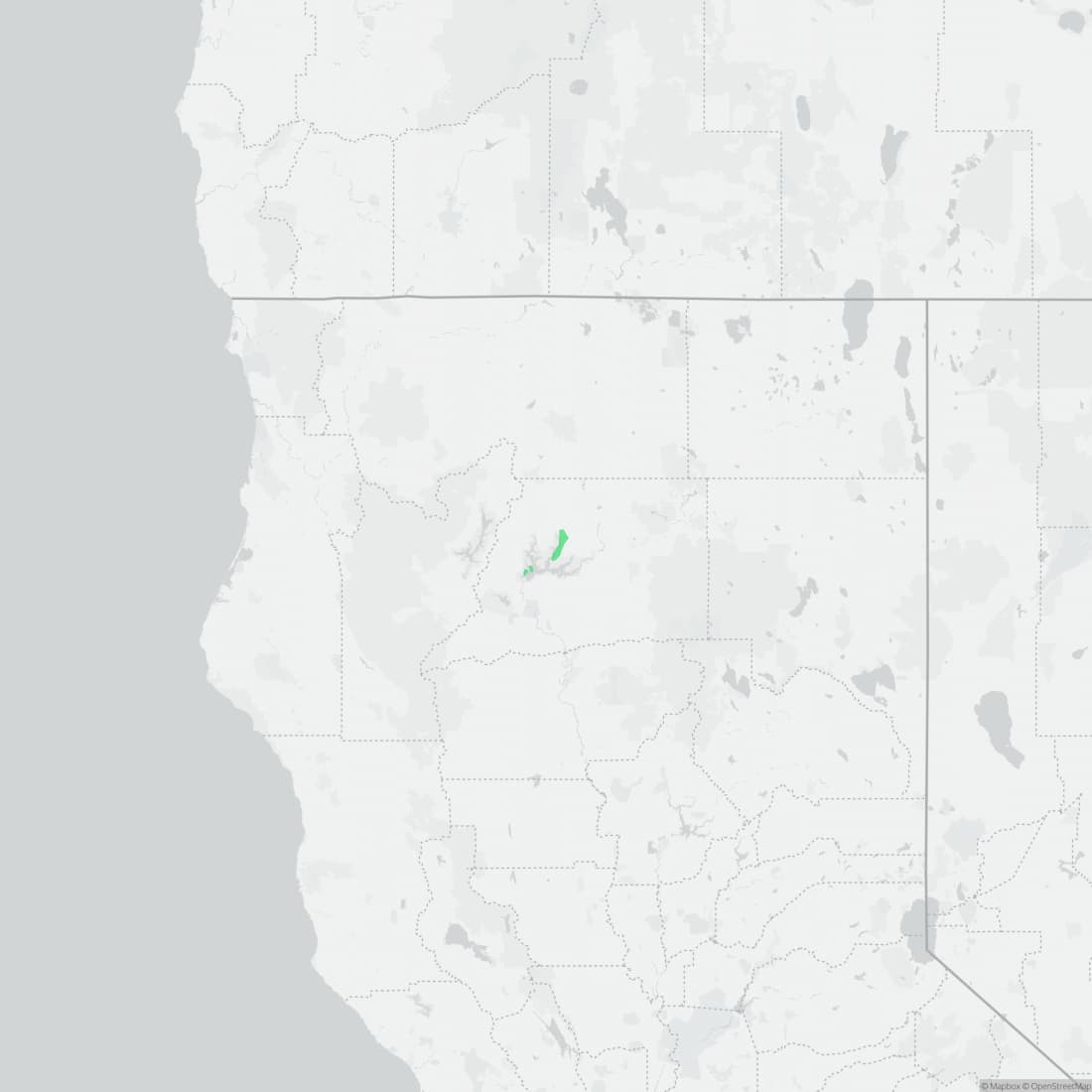
Approximate range. © Mapbox © OpenStreetMap