Tellico Salamander
Plethodon aureolus
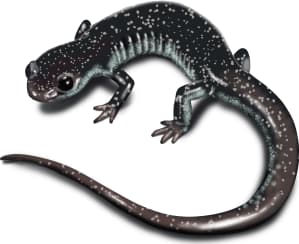
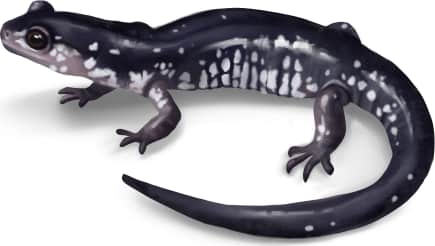
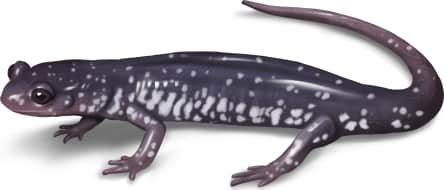
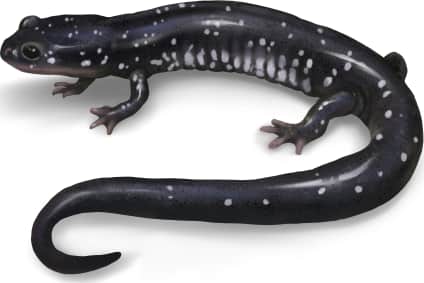
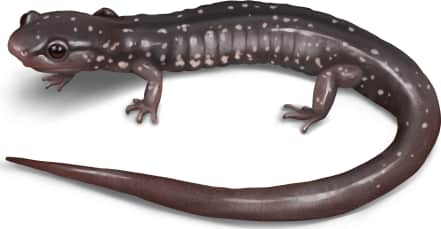
A mostly grey or black salamander with cream speckles and splotches all over its body and a pale throat. These markings are smaller on its back and larger on its sides. C…
How to identify
A mostly grey or black salamander with cream speckles and splotches all over its body and a pale throat. These markings are smaller on its back and larger on its sides. Can grow to a total length of 15 cm.
Range
Small patch of range in the mountains at the southern border of Tennessee and North Carolina.
Habitat
Found in mountainous and lowland areas, but tends to prefer lower altitudes. Like most salamanders, they prefer moist habitats near water with lots of natural litter for hiding.
Variations
Markings can be cream, brassy, or yellow.
Similar species
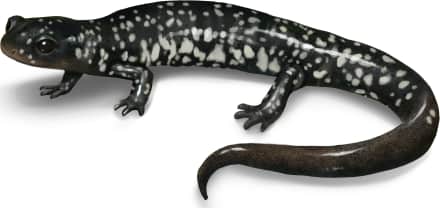
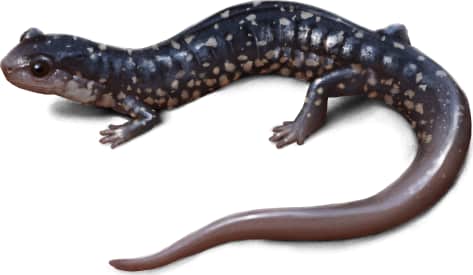
Often found living near the highly similar northern slimy salamander (*Plethodon glutinosus*). Numerous other salamanders in the genus *Plethodon* have similar coloration and pattern, including the white-spotted slimy salamander (*Plethodon cylindraceus*), Mississippi slimy salamander (*Plethodon mississippi*), southern Appalachian salamander (*Plethodon teyahalee*), Cumberland Plateau salamander (*Plethodon kentucki*), southeastern slimy salamander (*Plethodon grobmani*), western slimy salamander (*Plethodon albagula*), and Chattahoochee slimy salamander (*Plethodon chattahoochee*).
Name and etymology
Genus
Plethodon
Greek for full of (plethore) teeth (odon).
Origin
Sources
- Tschudi, "1838" 1839. reprinted in Classif. Batr., Mem. Soc. Sci. Nat. Neuchatel, p. 92 ↗
Plethodon. Tschudi, "1838" 1839 - reprinted in Classif. Batr., Mem. Soc. Sci. Nat. Neuchatel, p. 92
Species epithet
aureolus
Latin for golden or splendid.
Origin
Sources
- Highton, 1984. Brimleyana, Vol. 9, p. 2
Plethodon aureolus. Highton, 1984 - Brimleyana, Vol. 9, p. 2
Explore more names in the etymology index.
At a glance
Range
Small patch of range in the mountains at the southern border of Tennessee and North Carolina.
Habitat
Found in mountainous and lowland areas, but tends to prefer lower altitudes. Like most salamanders, they prefer moist habitat…
Guide
Reptiles and Amphibians of North America
Range map
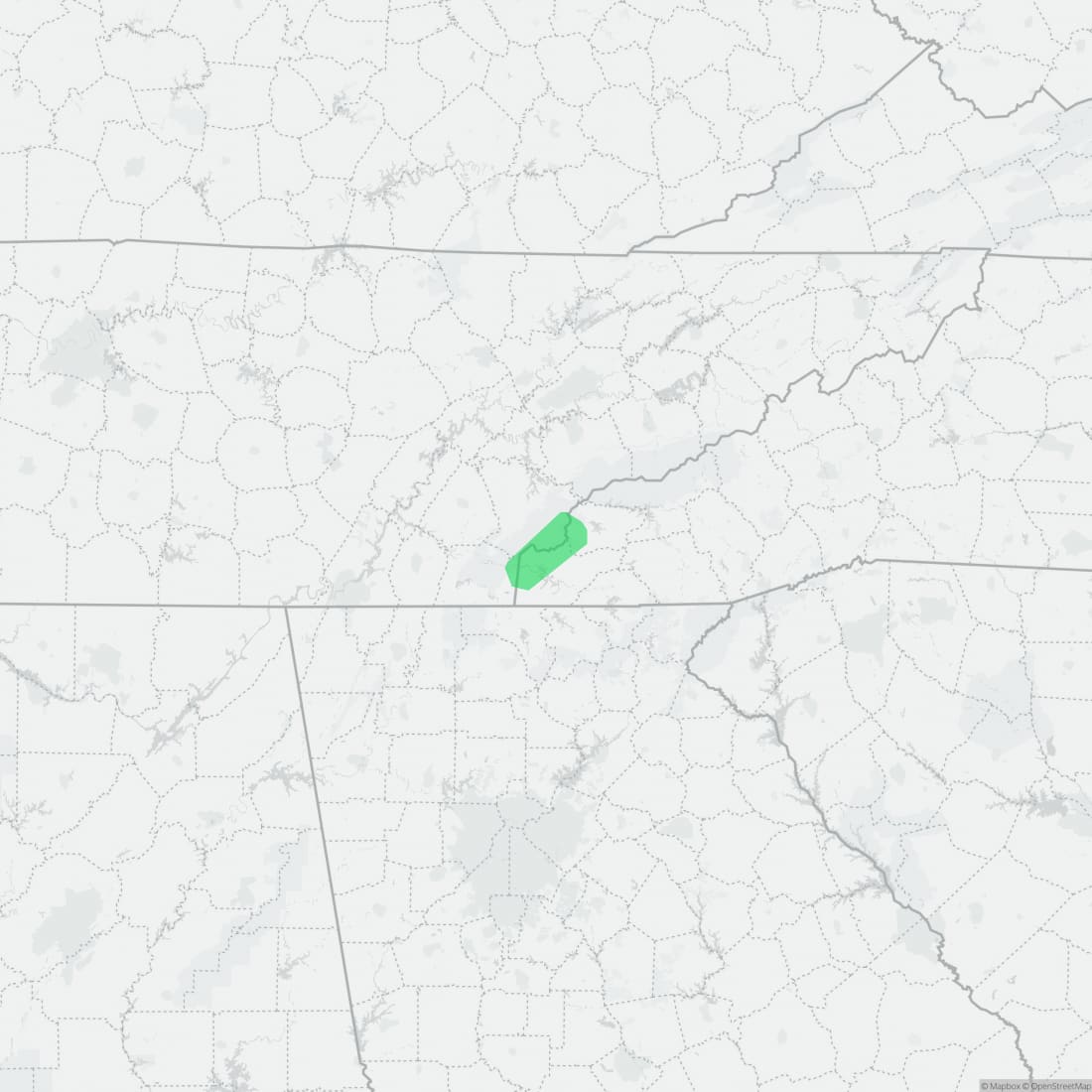
Approximate range. © Mapbox © OpenStreetMap