South Mountain Gray-cheeked Salamander
Plethodon meridianus
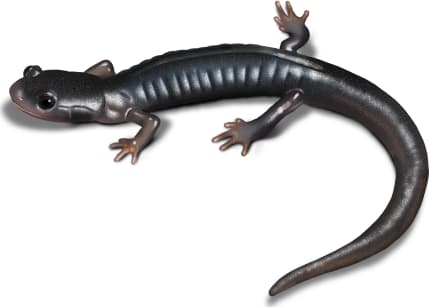
A medium grey to black salamander with light coloration on its cheeks. It may have tiny white or golden flecks on its body. It has obvious costal grooves and ranges in si…
How to identify
A medium grey to black salamander with light coloration on its cheeks. It may have tiny white or golden flecks on its body. It has obvious costal grooves and ranges in size from 5-7 cm in snout to vent length.
Range
Very small range in the South Mountain area of western North Carolina.
Habitat
A nocturnal species that hides under moist debris on the floor of a temperate forest habitat. They will move underground when conditions are too dry or cold.
Variations
Light coloration on cheeks is sometimes less obvious. They can be unmarked or have tiny flecks of white or gold.
Similar species
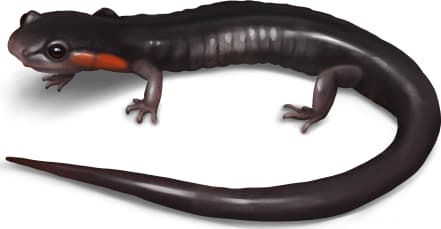
Similar to the Appalachian salamander (*Plethodon jordani*) which has pink cheeks.
Name and etymology
Genus
Plethodon
Greek for full of (plethore) teeth (odon).
Origin
Sources
- Tschudi, "1838" 1839. reprinted in Classif. Batr., Mem. Soc. Sci. Nat. Neuchatel, p. 92 ↗
Plethodon. Tschudi, "1838" 1839 - reprinted in Classif. Batr., Mem. Soc. Sci. Nat. Neuchatel, p. 92
Species epithet
meridianus
belonging to the meridian.
Origin
Sources
- Highton and Peabody, 2000
Plethodon montanus. Highton and Peabody, 2000
Explore more names in the etymology index.
At a glance
Range
Very small range in the South Mountain area of western North Carolina.
Habitat
A nocturnal species that hides under moist debris on the floor of a temperate forest habitat. They will move underground when…
Guide
Reptiles and Amphibians of North America
Range map
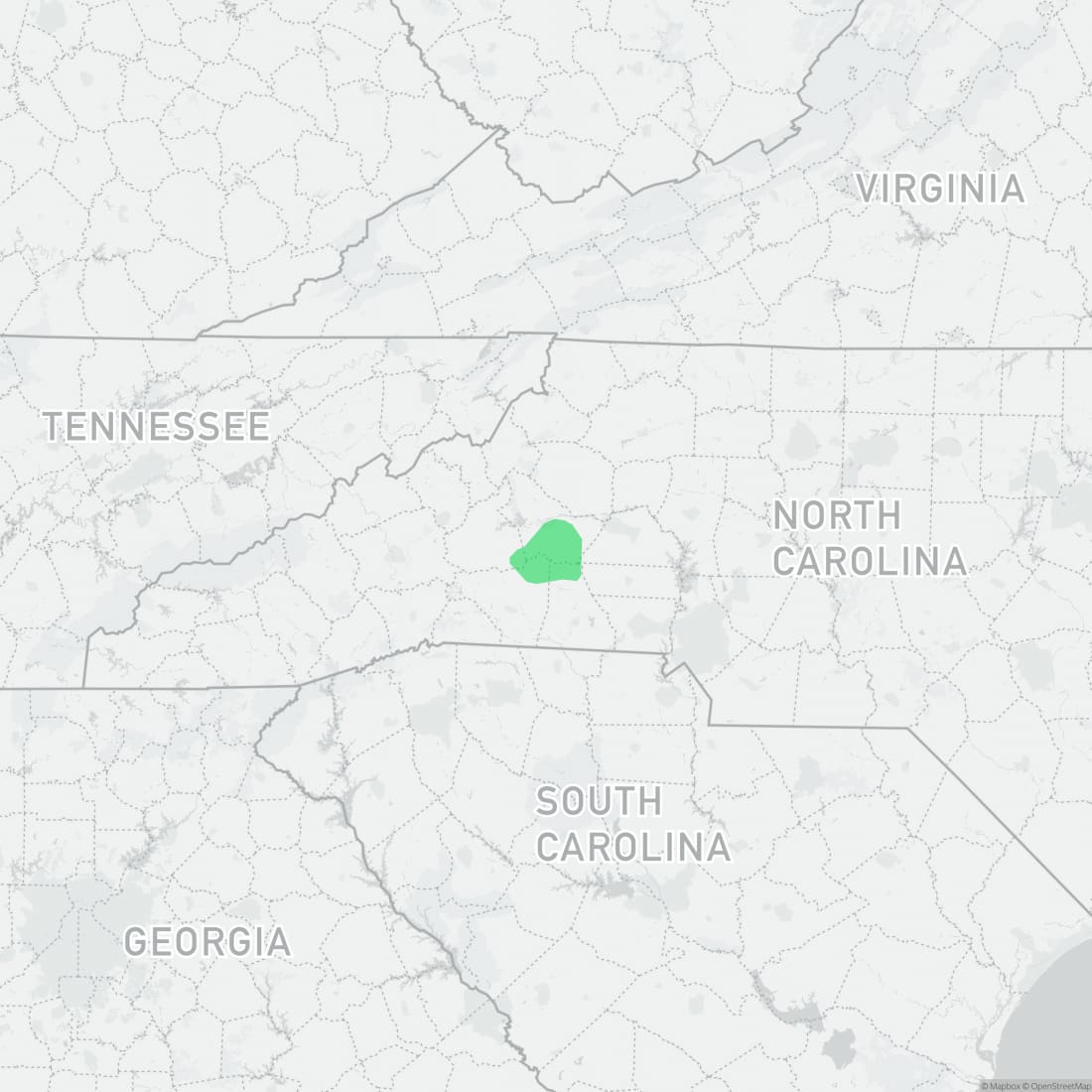
Approximate range. © Mapbox © OpenStreetMap