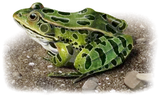
Spotted Chorus Frog
Pseudacris clarkii
Of all species in its genus, this is the smallest. As the name may indicate, this frog is spotted. On appearance, this species may be quite variable. This is not unlike m…
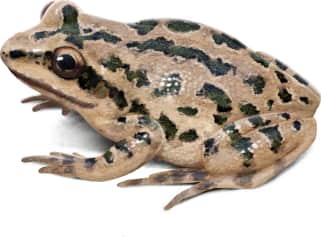
How to identify
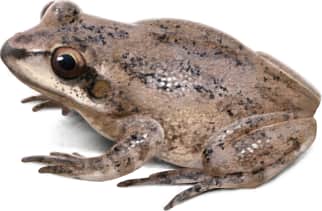
Of all species in its genus, this is the smallest. As the name may indicate, this frog is spotted. On appearance, this species may be quite variable. This is not unlike most members of the family Hylidae. Its dorsum may be dark green, tan, brown or gray and irregular green spots. A green stripe runs from its ears to its legs. These frogs usually have greenish white mottling on their bellies. A green triangle may be seen between the eyes. They may reach a size of 1.2 inches.
Range
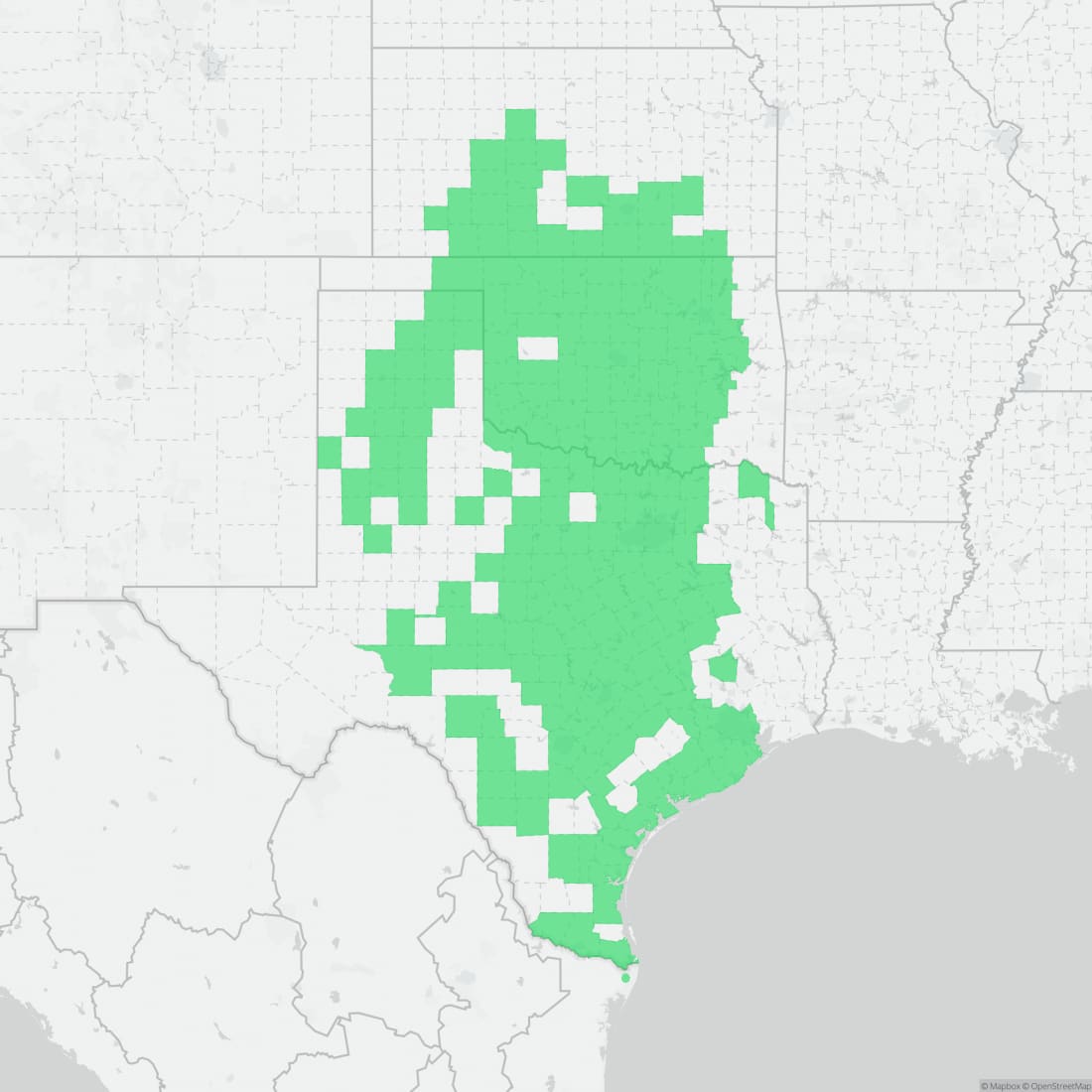
This specie can be found in the United States and New Mexico.
Habitat
This frogs prefer to stay in freshwaters. They are amphibian in nature. They are nocturnal. Breeding generally takes place after rainfalls. Spotted chorus frogs breed in temporary bodies of water. Males sensing breeding ponds, call out to other males. This call is usually different from the one to attract females and warn off other males. Eggs are laid in the hundreds. Within few weeks, these eggs become tadpoles then froglets and eventually, adults. They are insectivorous
Similar species
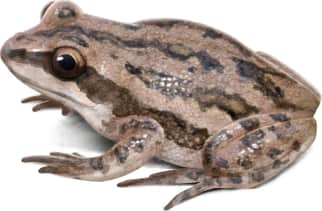
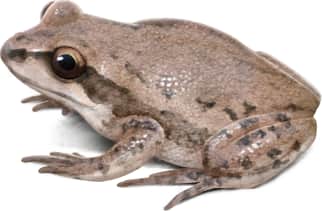
Boreal chorus frog (pseudacris maculata) is a small frog that has pint sized legs. It may be colored brown to green-gray along with a tinge of orange. Its distinct features include three stripes on its back. These stripes may be enunciated but sometimes faint. It can grow to about 3 cm to 4 cm. Mountain chorus frog (pseudacris brachyphona) can be seen to spot colors ranging from brown to gray to olive. It is quite small and has stripes that runs down each eye. Not unlike other chorus frogs, a white line can be seen atop its lips. It can grow to about 1.5 inches. This specie is native to the United States. Upland chorus frog (pseudacris feriarum) is colored any way from grey, gray-brown or brown. It is sometimes reddish. It is usually small. Three stripes typically run from their eyes and noses down to their sides.
Name and etymology
Genus
Pseudacris
Greek for false(pseudes) locus(akris) referencing genus Acris.
Origin
Sources
- Fitzinger, 1843. Syst. Rept., p. 31 ↗
Pseudacris. Fitzinger, 1843 - Syst. Rept., p. 31
Species epithet
clarkii
Honoring John Henry Clark.
Origin
Honors
Sources
- (Baird, 1854). Proc. Acad. Nat. Sci. Philadelphia, Vol. 7, p. 60 ↗
Pseudacris feriarum. (Baird, 1854) - Proc. Acad. Nat. Sci. Philadelphia, Vol. 7, p. 60
Explore more names in the etymology index.
At a glance
Range
This specie can be found in the United States and New Mexico.
Habitat
This frogs prefer to stay in freshwaters. They are amphibian in nature. They are nocturnal. Breeding generally takes place af…
Guide
Reptiles and Amphibians of North America
Range map
Approximate range. © Mapbox © OpenStreetMap