Canyon Lizard
Sceloporus merriami
Rough, spiny scales down back and tail. To camouflage with their rocky habitat, they are mainly greyish tan in color, with some darker grey, white, or yellow speckling on…
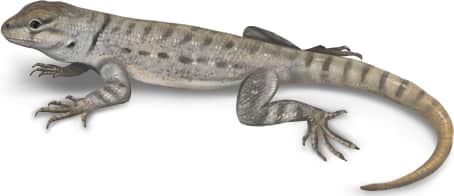
How to identify
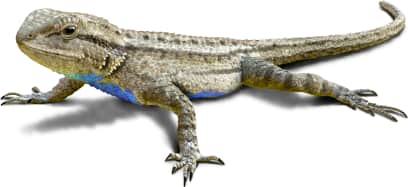
Rough, spiny scales down back and tail. To camouflage with their rocky habitat, they are mainly greyish tan in color, with some darker grey, white, or yellow speckling on back. Long legs and toes with a relatively small narrow head and pointed snout. Can grow to just over 6 inches in length, including tail. They have a vertical black line in front of their shoulder. Ventrum has a pale stripe down the center, surrounded by vibrant blue coloration blending into pale orange on their sides.
Range
West Texas into north central Mexico, with an isolated population just south of that in central Mexico.
Habitat
Dry, rocky habitats with little vegetation, such as cliff sides and boulder piles.
Variations
Speckles on back can vary in pattern and color. Males have black and blue stripes on throat. Color pattern on ventrum ranges from absent to vivid and pronounced.
Similar species
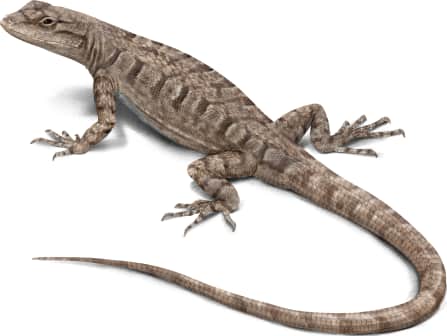
Northern snub-nosed lizard (*Sceloporus maculosus*) is most similar and may be found overlapping in central Mexico. The western fence lizard (*Sceloporus occidentalis*) shares some characteristics but does not share a range. Also could be confused with the ornate tree lizard (*Urosaurus ornatus*) which does have an overlapping range but has more distinct color patterns and a more pointed face.
Name and etymology
Genus
Sceloporus
Greek for leg (skelos) pores (porus), referencing femoral pores on back legs.
Origin
Sources
- Wiegmann, 1828. Isis von Oken, Vol. 21, p. 369 ↗
Sceloporus. Wiegmann, 1828 - Isis von Oken, Vol. 21, p. 369
Species epithet
merriami
Honoring Clinton Hart Merriam.
Origin
Honors
Sources
- Stejneger, 1904. Proc. Biol. Soc. Washington, Vol. 17, p. 17 ↗
Sceloporus merriami. Stejneger, 1904 - Proc. Biol. Soc. Washington, Vol. 17, p. 17
Explore more names in the etymology index.
At a glance
Range
West Texas into north central Mexico, with an isolated population just south of that in central Mexico.
Habitat
Dry, rocky habitats with little vegetation, such as cliff sides and boulder piles.
Guide
Reptiles and Amphibians of North America
Range map
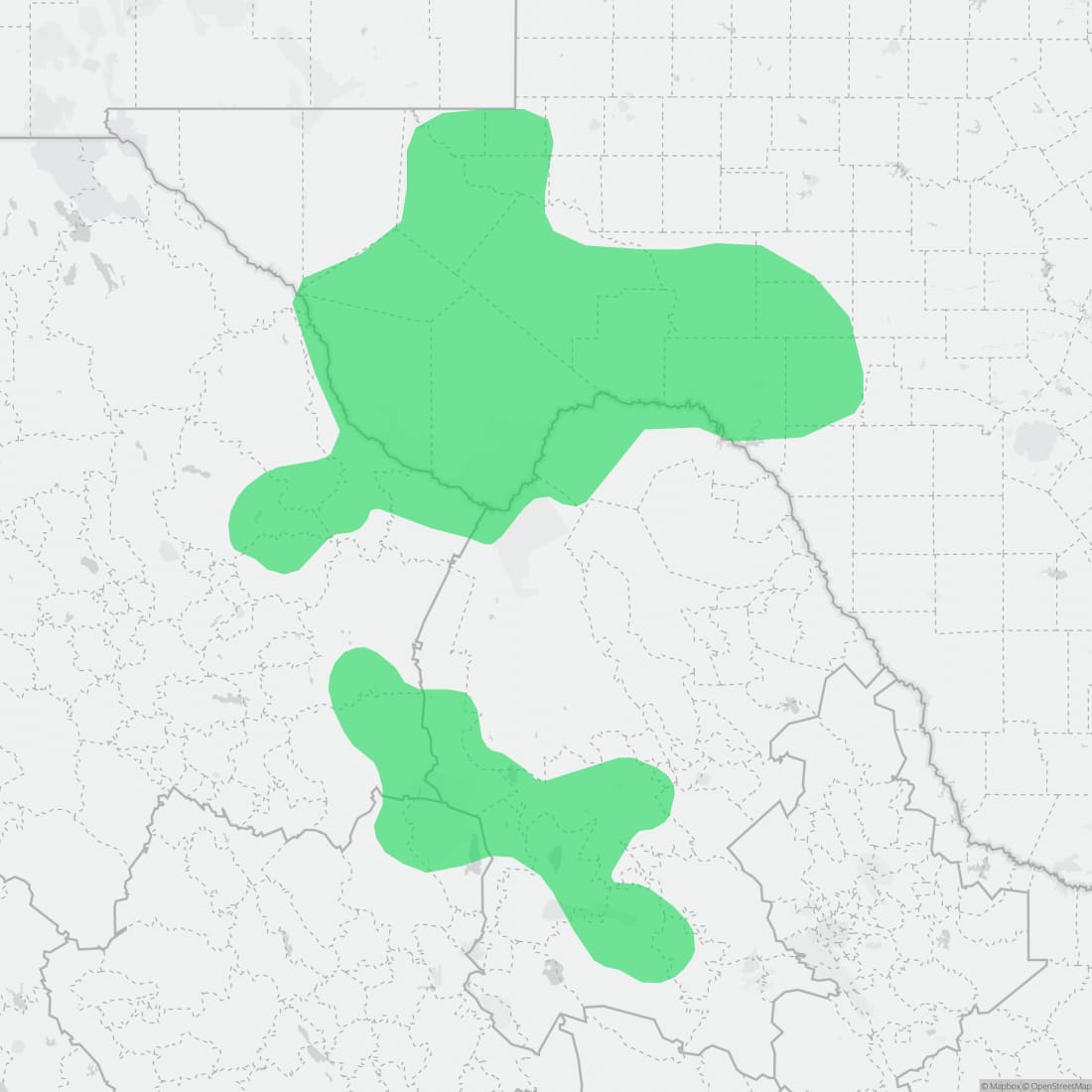
Approximate range. © Mapbox © OpenStreetMap