Western Ground Snake
Sonora semiannulata
The western ground snake is small and colubrid. It has a maximum body length of about 10 to 15 inches. They are variable in coloration and markings. Individuals can be re…
How to identify
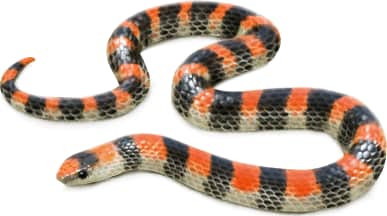
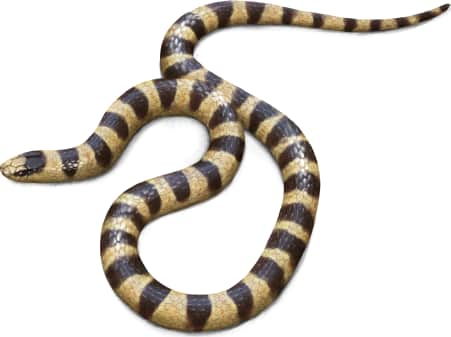
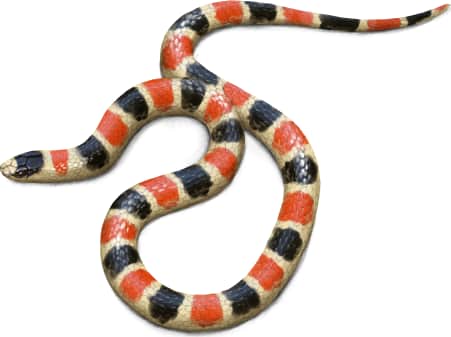
The western ground snake is small and colubrid. It has a maximum body length of about 10 to 15 inches. They are variable in coloration and markings. Individuals can be red, brown or orange, occurring with striped, banded or nearly solid dorsal patterns. Its underside is typically gray. It has smooth and shiny scales, with round pupils.
Range
The Western Ground Snake (Sonora semiannulata) stretches across a vast area of North America. It covers western states like Oregon and California all the way to Texas and New Mexico in the east. In the US, all S. semiannulata from Idaho, Oregon, California, Utah, Nevada, and Arizona belong to the Sonora subgenus. This extends to both Chihuahua and Sonora in Mexico. In Texas, S. semiannulata are only found along the Rio Grande river in the southernmost parts of Brewster and Presidio counties, along with El Paso County. Things get trickier in New Mexico. Snakes in the northeast are likely a different species, S. episcopa, while those in the south and west are S. semiannulata. However, the exact area where these two species meet remains unknown. S. semiannulata populations are likely present in the northern tip of Baja California, Mexico. But, genetic confirmation for these snakes is missing.
Habitat
The western ground snake is usually found in desert habitats with loose or sandy soil, ranging from rocky areas to low desert vegetation areas. They are typically nocturnal and secretive, often found in dry ditches at night, looking for food. They eat spiders, scorpions, centipedes, crickets, grasshoppers and insect larvae. The snakes are most active on warm nights from April to October but are usually dormant during the cold months (late November into early February). They are oviparous, breeding and laying eggs during the summer months. Females typically lay a clutch of 4-6 eggs in late spring or early summer. Males fight each other for access to females during the mating season. Adults reach sexual maturity in the second year.
Similar species
The Western shovelnose snake (Sonora occipitalis) is a species of snake of the family Colubridae endemic to the United states and Mexico. The head is narrow with a countersunk lower jaw, and nasal valves. Sonora shovelnose snake (Sonora palarostris) are a species of snake native to the Sonoran Desert in North America. They have a yellow snout and are non-venomous, with a solid yellow belly. Variable sand snake (Sonora straminea) are called ‘sand swimmers’, spending a majority of their time just under the desert sand’s surface searching for food, they are found in most of South-central Arizona.
Name and etymology
Genus
Sonora
Referencing the region of Sonora.
Origin
Sources
- Baird and Girard, 1853. Cat. N. Amer. Rept., Pt. 1, p. 117 ↗
Sonora. Baird and Girard, 1853 - Cat. N. Amer. Rept., Pt. 1, p. 117
Species epithet
semiannulata
Latin for half (semi) ringed (annulata)
Origin
Sources
- Baird and Girard, 1853. Cat. N. Amer. Rept., Pt. 1, p. 117 ↗
Sonora. Baird and Girard, 1853 - Cat. N. Amer. Rept., Pt. 1, p. 117
Explore more names in the etymology index.
More illustrations
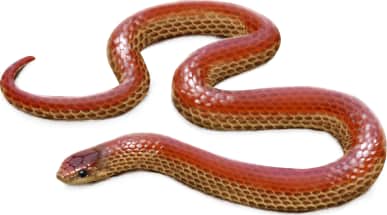
Striped morph
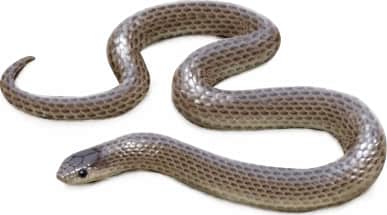
Uniform morph
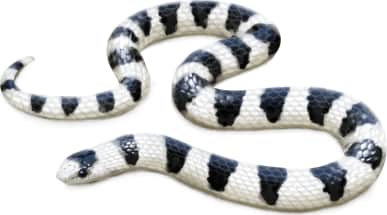
Banded morph
At a glance
Range
The Western Ground Snake (Sonora semiannulata) stretches across a vast area of North America. It covers western states like O…
Habitat
The western ground snake is usually found in desert habitats with loose or sandy soil, ranging from rocky areas to low desert…
Guide
Reptiles and Amphibians of North America
Range map
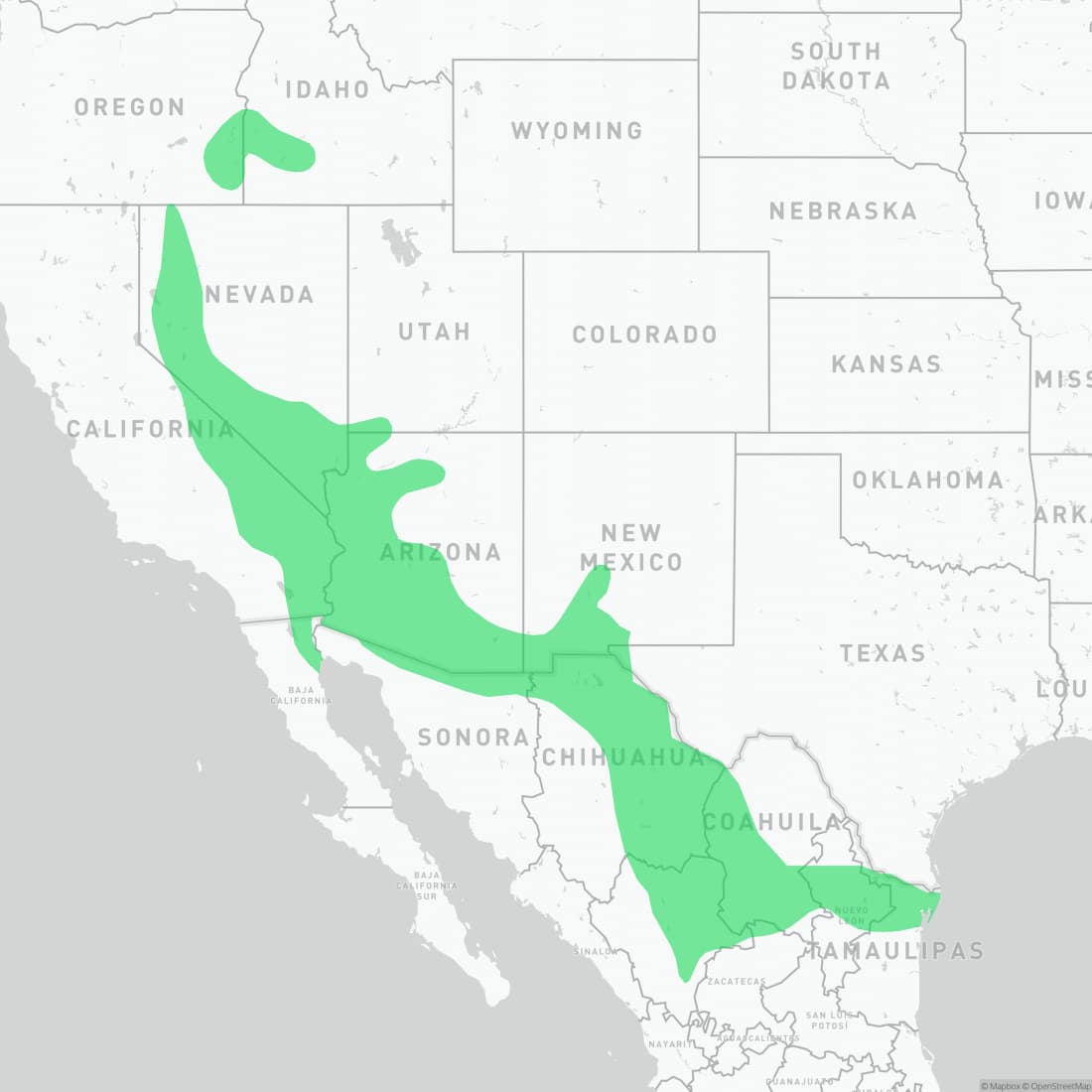
Approximate range. © Mapbox © OpenStreetMap