Many-lined Salamander
Stereochilus marginatus
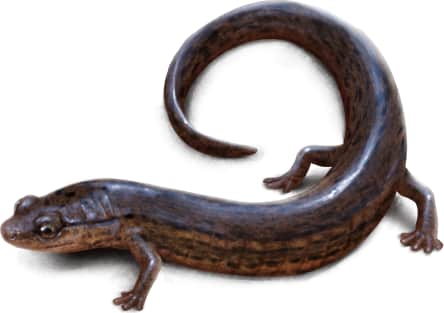
Dorsum either brown or muted yellow with dark and light stripes on sides. Exhibits a short head and tail. Venter usually yellow with brown spots. Become sexually mature a…
How to identify
Dorsum either brown or muted yellow with dark and light stripes on sides. Exhibits a short head and tail. Venter usually yellow with brown spots. Become sexually mature at ages 3 or 4. Females and males mate in the fall. Females lay clutches which contain as many as 100 eggs; stay with eggs until they hatch.
Range
Southeastern United States south from southeastern Virginia to northeastern Florida.
Habitat
Mainly aquatic; inhabit swamps, ponds, streams, and drainage ditches. Adults usually take cover under vegetation in water including twigs, leaves, or moss. Females lay eggs beneath logs or affix them to vegetation floating in water. Diet consists of crustaceans like aquatic isopods and amphipods.
Variations
Females tend to lay eggs in the winter in southern regions and in the spring in northern regions.
Similar species
Name and etymology
Genus
Stereochilus
Greek for solid (stereos) lip (cheilos)
Origin
Sources
- Cope, 1869. Proc. Acad. Nat. Sci. Philadelphia, Vol. 21, p. 100 ↗
Stereochilus. Cope, 1869 - Proc. Acad. Nat. Sci. Philadelphia, Vol. 21, p. 100
Species epithet
marginatus
Latin for bordered.
Origin
Sources
- (Hallowell, 1856). Proc. Acad. Nat. Sci. Philadelphia, Vol. 8, p. 130 ↗
Stereochilus marginatus. (Hallowell, 1856) - Proc. Acad. Nat. Sci. Philadelphia, Vol. 8, p. 130
Explore more names in the etymology index.
At a glance
Range
Southeastern United States south from southeastern Virginia to northeastern Florida.
Habitat
Mainly aquatic; inhabit swamps, ponds, streams, and drainage ditches. Adults usually take cover under vegetation in water inc…
Guide
Reptiles and Amphibians of North America
Range map
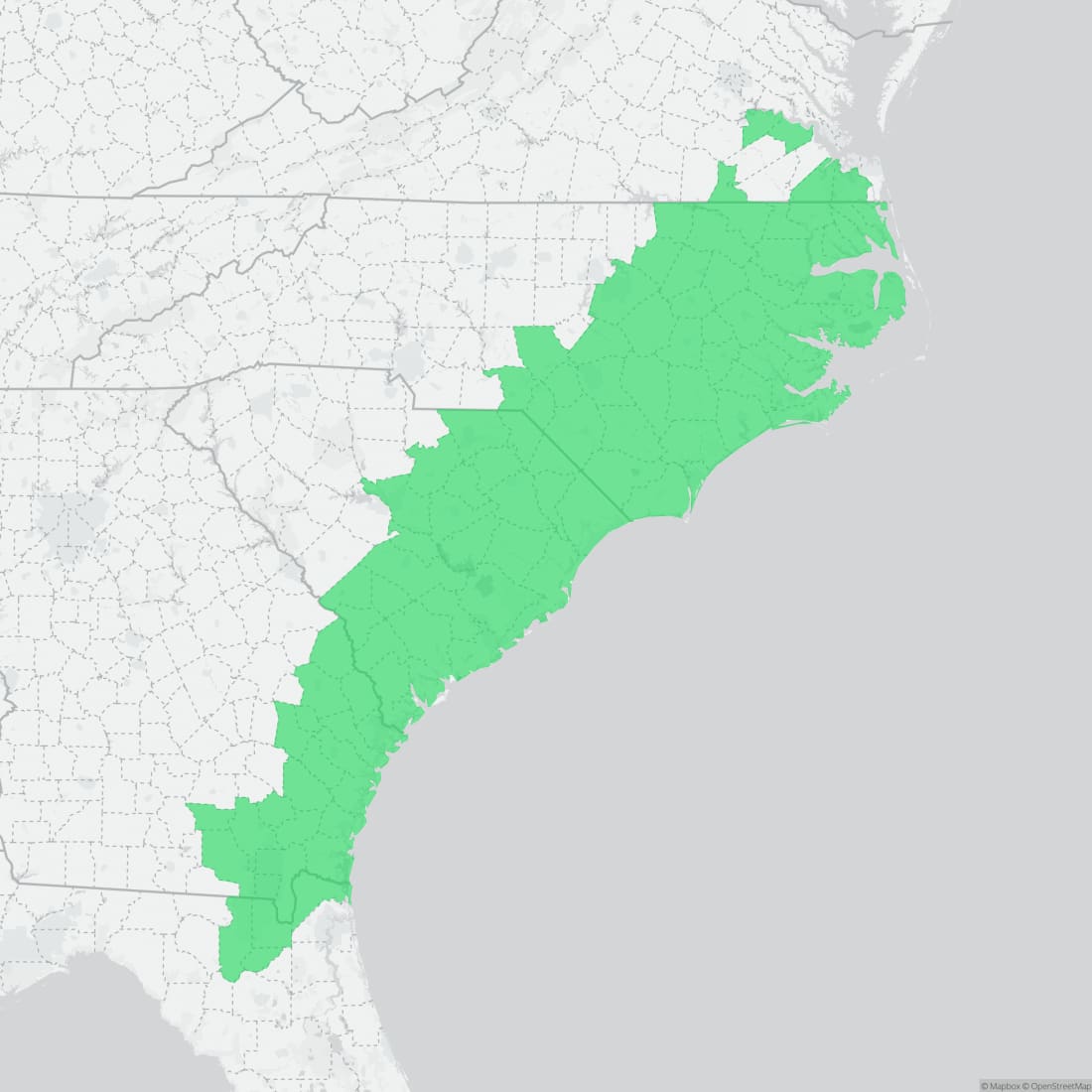
Approximate range. © Mapbox © OpenStreetMap