Lined Snake
Tropidoclonion lineatum
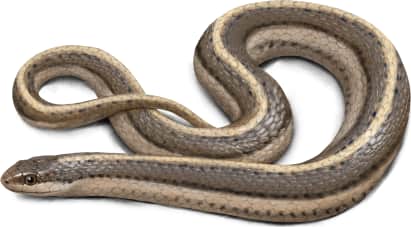
Dorsum is olive, gray, or brown. Possesses one stripe down back and one on either side of body; stripes vary in color from white to orange and are followed by a row of bl…
How to identify
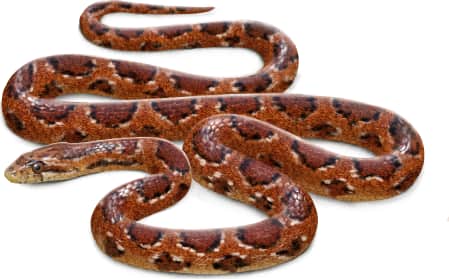
Dorsum is olive, gray, or brown. Possesses one stripe down back and one on either side of body; stripes vary in color from white to orange and are followed by a row of black spots. Exhibit a green venter with rows of crescent blotches. Fully grown individuals can be as long as 54 cm but usually will range from 22-38 cm. Females reach sexual maturity at 2 years old while most males can mate at 1 year old. Females give live birth to between 2 to 12 young; young are self-reliant when born.
Range
Central United States in Iowa, Illinois, southwestern Minnesota, southeastern South Dakota, eastern Colorado, Missouri, Kansas, New Mexico, Oklahoma, and Texas.
Habitat
Natural and human-made habitats including hills, edges of woodlands, prairies, suburban yards, and abandoned urban areas. Prefers wet areas, but is found equally near bodies of water and in more landlocked regions. Commonly found under shelters including rocks, logs and trash. Diet is mainly limited to earthworms that are hunted at night or after it has rained.
Variations
Especially vulnerable to human-inflicted mortality from cars and destruction of habitat from agricultural cultivation or construction.
Similar species
Name and etymology
Genus
Tropidoclonion
Greek for keeled (tropis) twig or branch (klonion).
Origin
Sources
- Cope, 1860. Proc. Acad. Nat. Sci. Philadelphia, Vol. 12, p. 76 ↗
Tropidoclonion. Cope, 1860 - Proc. Acad. Nat. Sci. Philadelphia, Vol. 12, p. 76
Species epithet
lineatum
Latin for many lines.
Origin
Sources
- (Hallowell, 1856). Proc. Acad. Nat. Sci. Philadelphia, Vol. 8, p. 241 ↗
Tropidoclonion lineatum. (Hallowell, 1856) - Proc. Acad. Nat. Sci. Philadelphia, Vol. 8, p. 241
Explore more names in the etymology index.
At a glance
Size
22 to 38 cm
Range
Central United States in Iowa, Illinois, southwestern Minnesota, southeastern South Dakota, eastern Colorado, Missouri, Kansa…
Habitat
Natural and human-made habitats including hills, edges of woodlands, prairies, suburban yards, and abandoned urban areas. Pre…
Range map
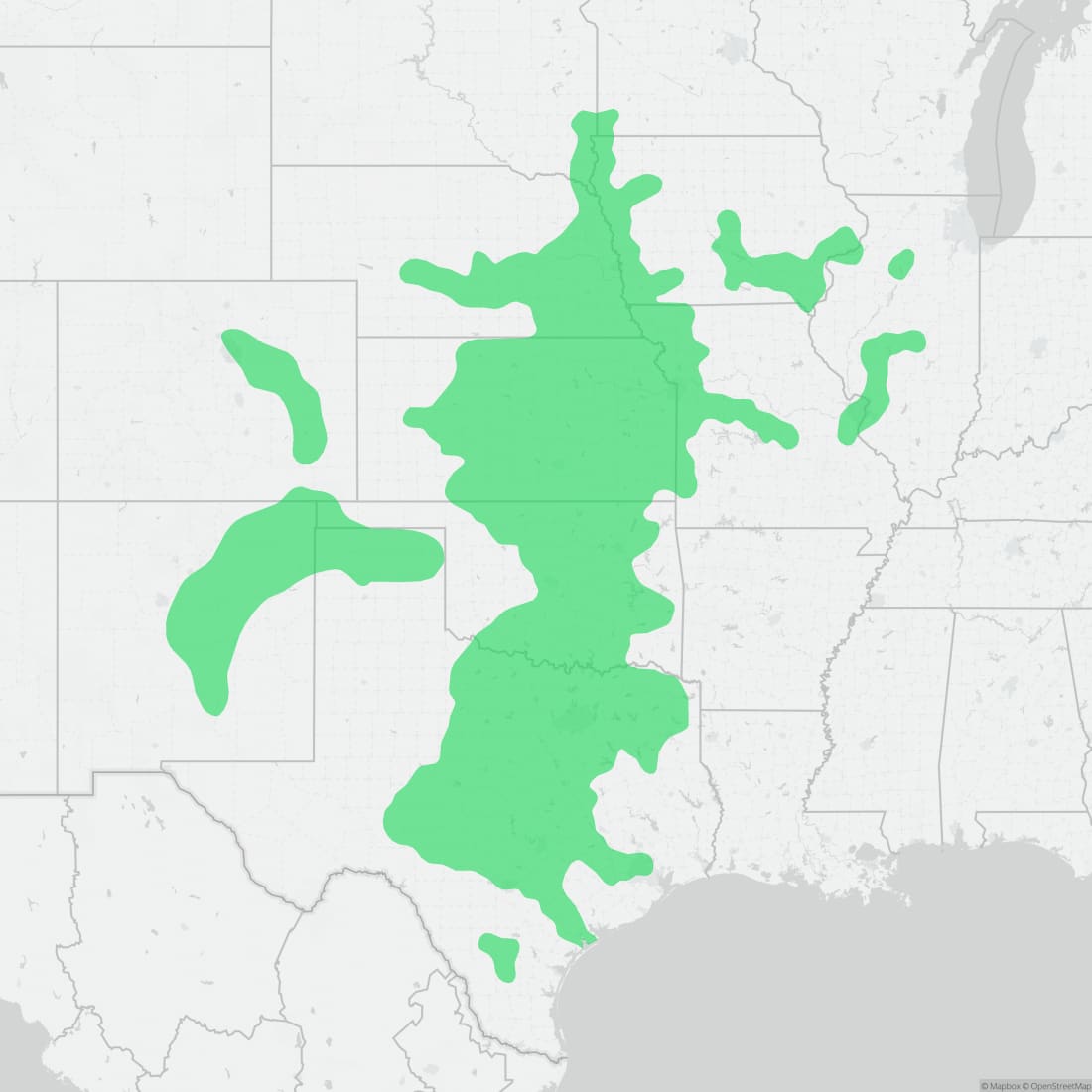
Approximate range. © Mapbox © OpenStreetMap