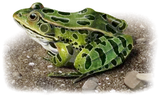
Jollyville Plateau Salamander
Eurycea tonkawae
Aquatic salamander that never reaches a terrestrial form; keeps external gills for entire life span. Dorsum is brown with green tinge; belly is clear colored. External gi…
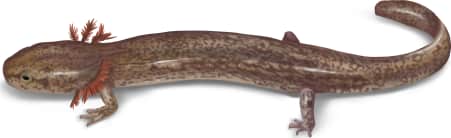
How to identify
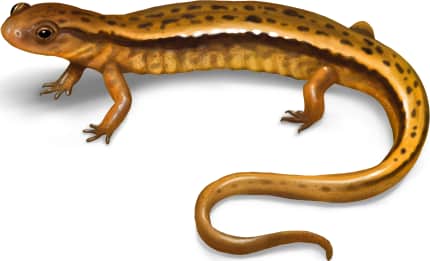
Aquatic salamander that never reaches a terrestrial form; keeps external gills for entire life span. Dorsum is brown with green tinge; belly is clear colored. External gills on neck behind head; fins are orange in color. Juvenile population is highest during the spring and summer. Highly threatened by urbanization threats like water contamination.
Range
Occurs only in certain Texas springs including the Jollyville Plateau region and Brushy Creek.
Habitat
Mainly inhabits springs. Populations have also been found living in caves.
Variations
Sexually mature females display wide jaws and short-snouts.
Similar species
Name and etymology
Genus
Eurycea
Probably honoring Eurydice the wife of Orpheus in Greek mythology. Although Rafinesque, who named the genus, only wrote "mythological"
Origin
Honors
Sources
- Rafinesque, 1822. Kentucky Gazette, Lexington, N. S., Vol. 1, No. 9, Feb. 28, p. 3, column 6
Eurycea. Rafinesque, 1822 - Kentucky Gazette, Lexington, N. S., Vol. 1, No. 9, Feb. 28, p. 3, column 6
Species epithet
tonkawae
Belonging to Tonkawa Springs.
Origin
Sources
- Chippindale, Price, Wiens and Hillis, 2000 Herpetol. Monogr., 14: 32
Eurycea tonkawae. Chippindale, Price, Wiens and Hillis, 2000 Herpetol. Monogr., 14: 32
Explore more names in the etymology index.
At a glance
Range
Occurs only in certain Texas springs including the Jollyville Plateau region and Brushy Creek.
Habitat
Mainly inhabits springs. Populations have also been found living in caves.
Guide
Reptiles and Amphibians of North America
Range map
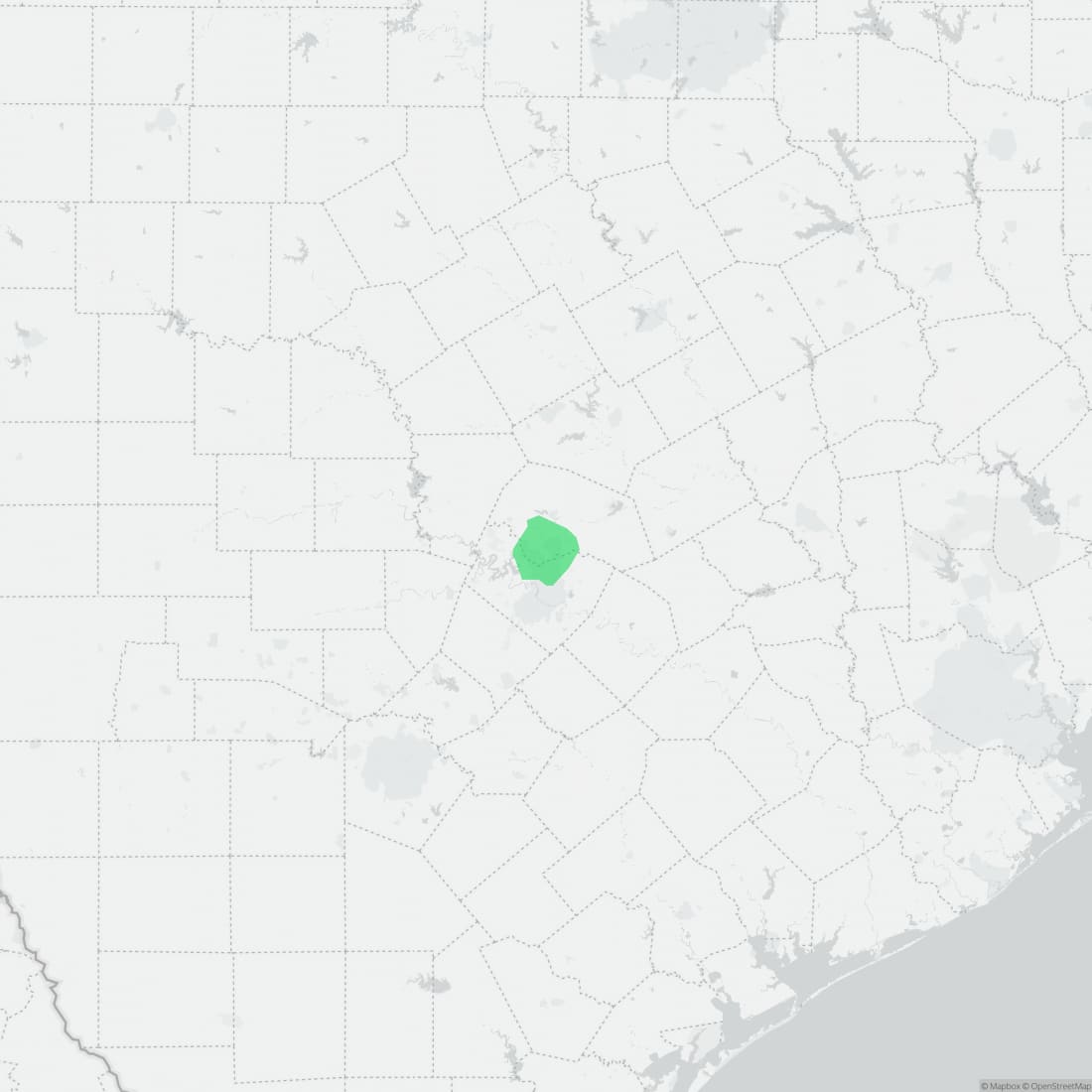
Approximate range. © Mapbox © OpenStreetMap