Desert Cottontail
Sylvilagus audubonii
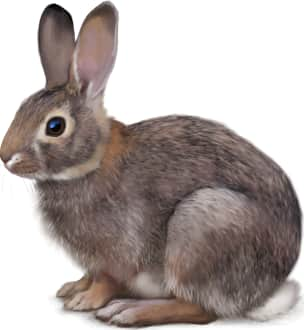
S. audubonii is a medium-sized cottontail with grayish-brown fur that often has a distinct grizzled appearance. The underside is white, and the tail is fluffy white. The…
How to identify
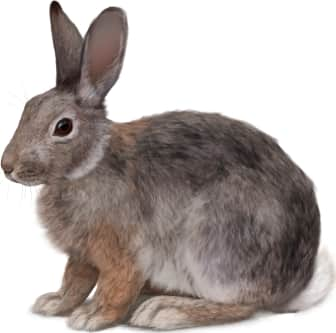
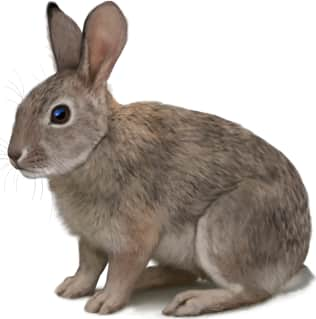
S. audubonii is a medium-sized cottontail with grayish-brown fur that often has a distinct grizzled appearance. The underside is white, and the tail is fluffy white. The ears are relatively long. They are well-adapted to desert and grassland environments.
Range
S. audubonii is found in arid and semi-arid regions of the western United States and Mexico. Its range extends from eastern Oregon and Washington south through California, Nevada, Utah, Arizona, New Mexico, Texas, and into northern Mexico.
Habitat
S. audubonii inhabits a variety of arid and semi-arid habitats, including deserts, grasslands, scrublands, and open woodlands. They prefer areas with scattered shrubs and cacti for cover.
Similar species
S. nuttallii (Nuttall's Cottontail) can overlap in range in some areas. S. audubonii tends to have slightly shorter ears and a more distinctly grizzled appearance. S. bachmani (Brush Rabbit) overlaps in parts of California, but S. audubonii is larger and prefers more open habitats.
Name and etymology
Genus
Sylvilagus
Latin for forest (silva) and Greek for hare (lagos_
Origin
Sources
- Palmer, Index Generum Mammalium (1904) ↗
Palmer, T. S. 1904. Index Generum Mammalium: a list of the genera and families of mammals. North American Fauna 23. Government Printing Office, Washington. https://doi.org/10.5962/bhl.title.39809
Species epithet
audubonii
Honoring US naturalist John James Audubon
Origin
Honors
Sources
- Wikipedia: Sylvilagus audubonii ↗
“Sylvilagus audubonii.” Wikipedia. https://en.wikipedia.org/wiki/Desert_cottontail
Explore more names in the etymology index.
At a glance
Range
S. audubonii is found in arid and semi-arid regions of the western United States and Mexico. Its range extends from eastern O…
Habitat
S. audubonii inhabits a variety of arid and semi-arid habitats, including deserts, grasslands, scrublands, and open woodlands…
Guide
Mammals of North America
Range map
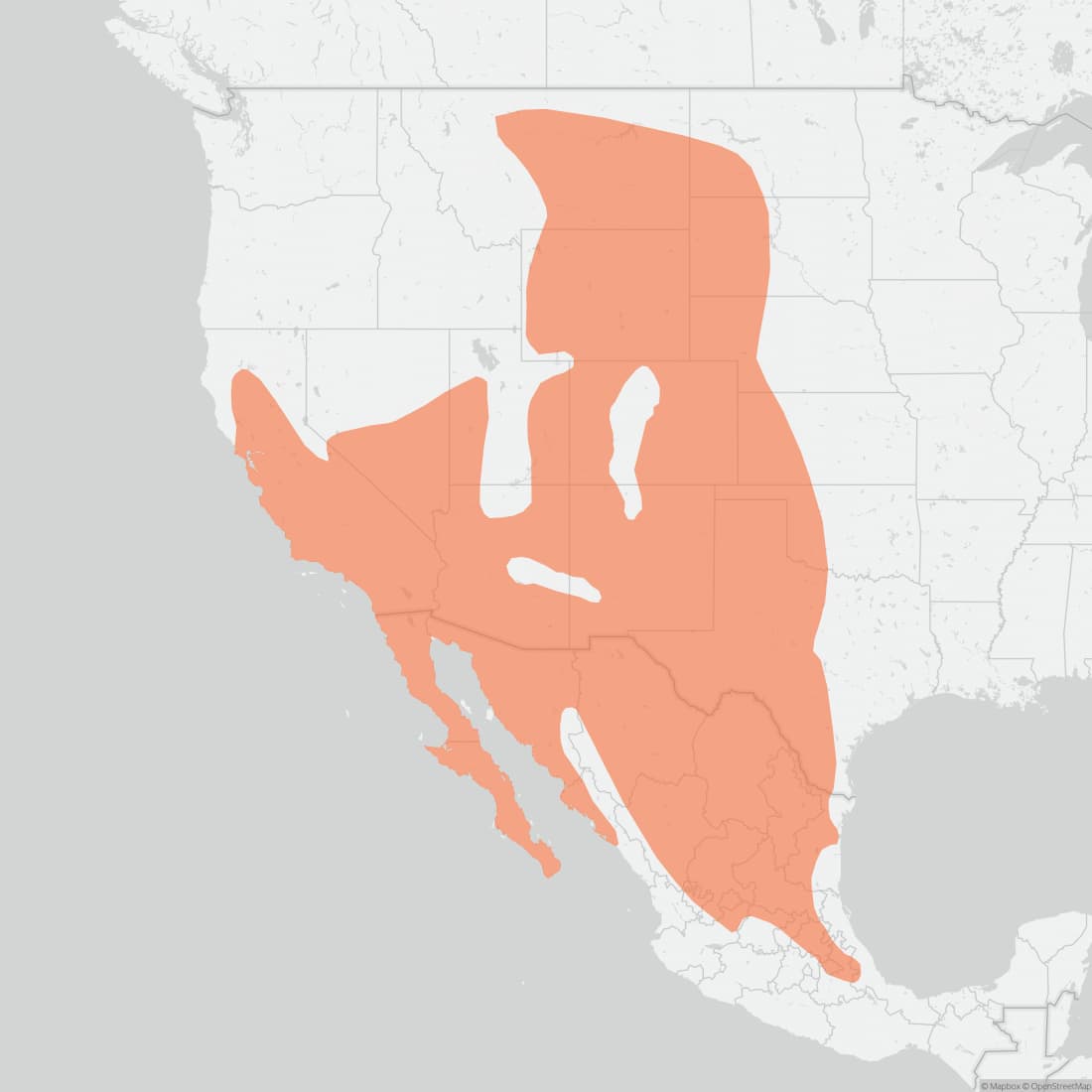
Approximate range. © Mapbox © OpenStreetMap