Sidewinder
Crotalus cerastes
This is a relatively small, venomous species of snake usually averaging between 17-30 inches in length. This species is sexually dimorphic as the females are larger than…
How to identify
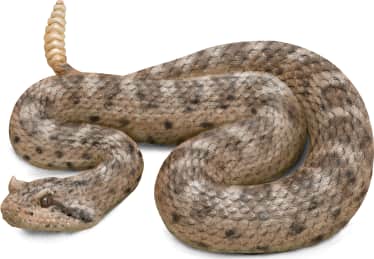
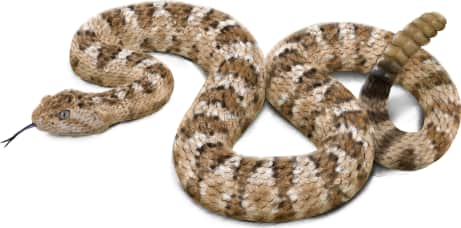
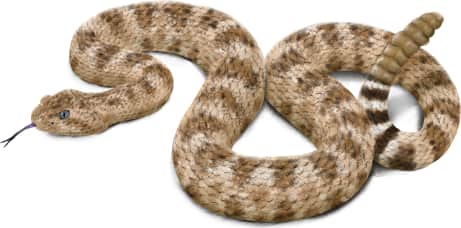
This is a relatively small, venomous species of snake usually averaging between 17-30 inches in length. This species is sexually dimorphic as the females are larger than the males. The eyes are vertically elliptical and it has a slender neck and head. Sidewinders are sometimes called the horned rattlesnake owing to the supraocular scales above the eyes that resemble horns and it also has a rattle at the end of the tail. The background dorsal color may be yellowish-brown, light-brown, grey, and cream – they are often a variety of earthen colors depending on their habitats. This background color is often spotted with gray-brown blotches.
Range
The sidewinder can be found in the southwestern region of United States, western Arizona, southeastern California, southern parts of Nevada, and the southwestern regions of Utah. In Mexico, the sidewinder is found in the northwestern parts including western Sonora and eastern Baja California.
Habitat
They thrive in desert areas like sandy washes, sand dunes, and open terrains in warm deserts with sandy or loamy soil. They take shelter in burrows and crevices in the day and hunts at night. It has a distinctive method of moving which involves a sideways ‘S’ shaped curve. The mating season is in spring and the females may each produce up to twenty young offspring. They feed on other snakes, lizards, mice and the bigger ones eat birds such as lark sparrows.
Variations
Crotalus cerastes cerastes. Crotalus cerastes cercobombus. Crotalus cerastes laterorepens
Similar species
The Southwestern Speckled Rattlesnake (Crotalus pyrrhus) is 36 inches and generally bigger than the Crotalus cerastes. It lacks the supraocular scales that the sidewinder has. This snake has a ground color that may be pink, gray, brown, yellow, or white depending on the habitat. The Speckled Rattlesnake (Crotalus mitchellii) is usually 39 inches and also lacks the horned scales that the sidewinder has. Another good way to separate these snakes is by their range. The speckled rattlesnake is often found in southern California, Nevada and Utah. The Panamint Rattlesnake (Crotalus stephensi) is between 23-52 inches. There is a distinctive lack of a light posterior line on this rattlesnake. And its supraocular scales are pitted. The rattlesnake does not move in the same ‘S-curved’ manner the sidewinder does and its colors and pattern is usually of a straw, tan, brown or gray and brown, gray, red-brown blotches.
Name and etymology
Genus
Crotalus
Greek for rattle (krotalon).
Origin
Sources
- Linnaeus, 1758. Syst. Nat., 10th ed., Vol. 1, p. 214 ↗
Crotalus. Linnaeus, 1758 - Syst. Nat., 10th ed., Vol. 1, p. 214
Species epithet
cerastes
Greek for horned (kerastes), referencing the "horns" above the eyes.
Origin
Sources
- Hallowell, 1854. Proc. Acad. Nat. Sci. Philadelphia, Vol. 7, p. 95 ↗
Crotalus cerastes. Hallowell, 1854 - Proc. Acad. Nat. Sci. Philadelphia, Vol. 7, p. 95
Explore more names in the etymology index.
At a glance
Size
44.6 to 61.5 cm
Range
The sidewinder can be found in the southwestern region of United States, western Arizona, southeastern California, southern p…
Habitat
They thrive in desert areas like sandy washes, sand dunes, and open terrains in warm deserts with sandy or loamy soil. They t…
Range map
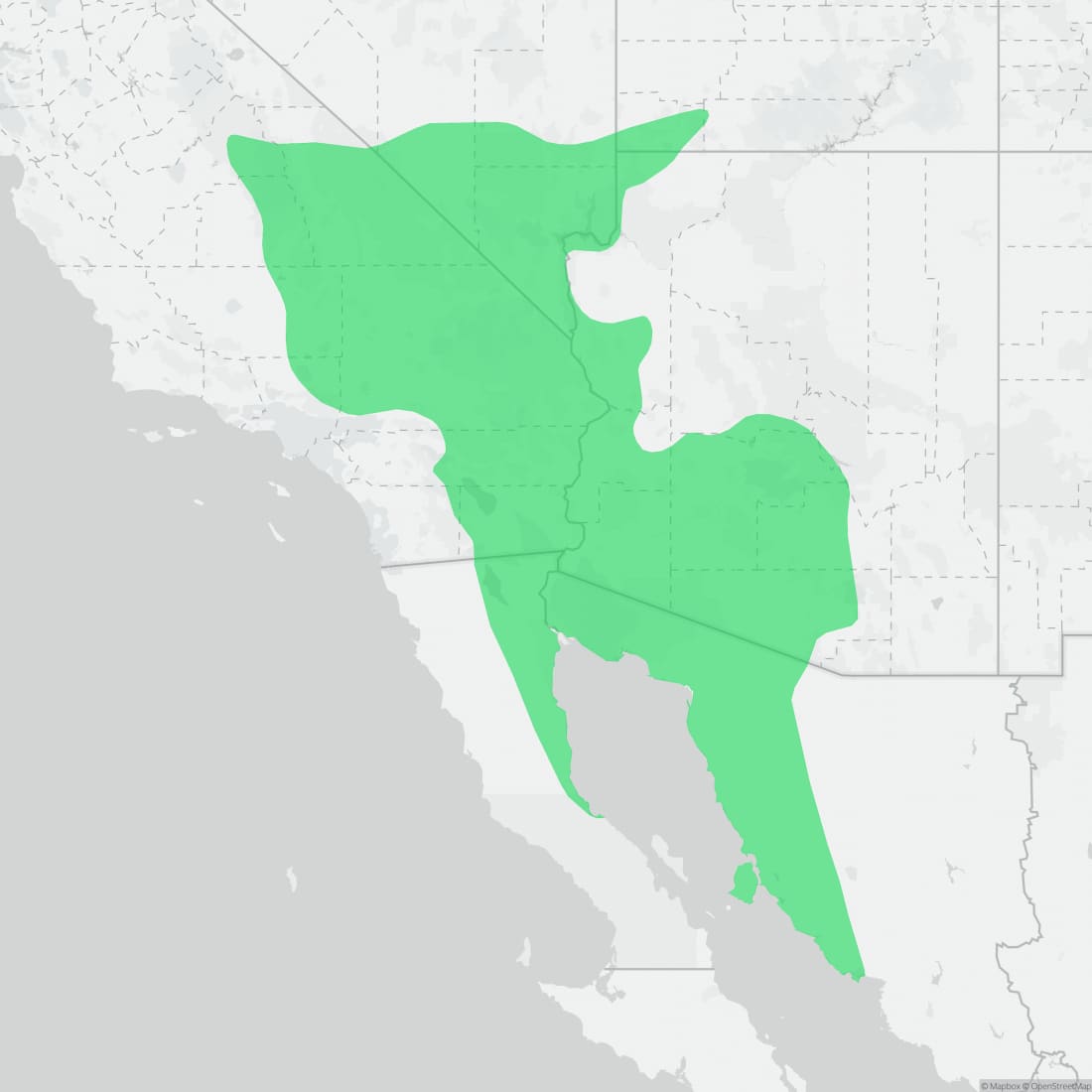
Approximate range. © Mapbox © OpenStreetMap