Panamint Rattlesnake
Crotalus stephensi
A venomous medium-sized snake with keeled scales and a large triangular head. It has elliptical pupils and two heat-sensing pits on the front of its snout between the eye…
How to identify
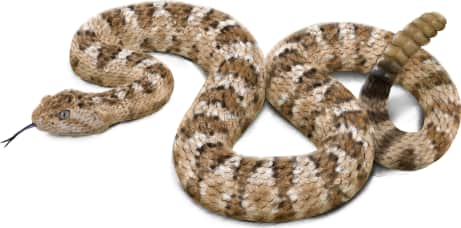
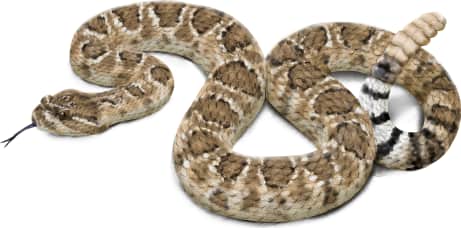
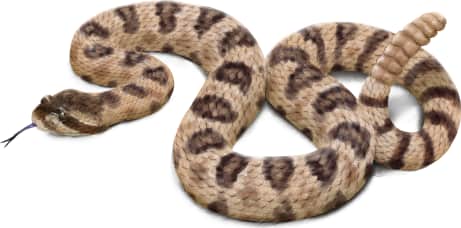
A venomous medium-sized snake with keeled scales and a large triangular head. It has elliptical pupils and two heat-sensing pits on the front of its snout between the eyes and mouth. Coloration is variable in this species, depending on camouflage requirements for local surroundings. Its patterning begins on the neck as wide, jagged blotches down the center of the dorsum, turning into bands that are narrow on the sides and wide in the center of the back, then becoming more uniform bands towards the tail. These markings are generally outlined in darker scales, and lighter in the center. The background coloration between the bands is even lighter. The end of the tail is black where it meets the rattle. This snake averages 2-3 feet in length.
Range
Southwestern Nevada and adjacent east central California.
Habitat
Lives in desert mountain habitats at elevations of 3000-7900 feet. Prefers rocky outcrops and boulders, but will also inhabit scrublands, cactus deserts, and open woodlands.
Variations
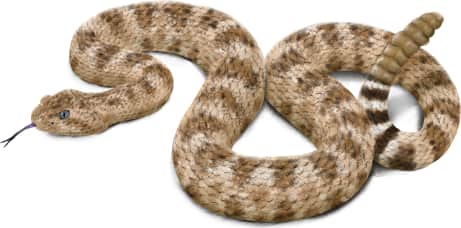
Colors range from light buff with tan markings, to light brown with dark brown and black markings. Sometimes the snake has an overall reddish hue.
Similar species
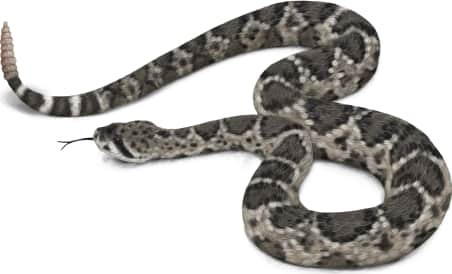
Could be mistaken for the southwestern speckled rattlesnake (*Crotalus pyrrhus*), western rattlesnake (*Crotalus oreganus*), Mojave rattlesnake (*Crotalus scutulatus*), or western diamondback rattlesnake (*Crotalus atrox*).
Name and etymology
Genus
Crotalus
Greek for rattle (krotalon).
Origin
Sources
- Linnaeus, 1758. Syst. Nat., 10th ed., Vol. 1, p. 214 ↗
Crotalus. Linnaeus, 1758 - Syst. Nat., 10th ed., Vol. 1, p. 214
Species epithet
stephensi
Honoring Frank Stephens.
Origin
Honors
Sources
- Wikipedia: Crotalus stephensi ↗
“Crotalus stephensi.” Wikipedia. https://en.wikipedia.org/wiki/Crotalus_stephensi
Explore more names in the etymology index.
More illustrations
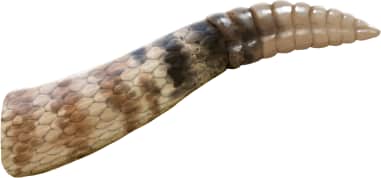
Tail
At a glance
Range
Southwestern Nevada and adjacent east central California.
Habitat
Lives in desert mountain habitats at elevations of 3000-7900 feet. Prefers rocky outcrops and boulders, but will also inhabit…
Guide
Reptiles and Amphibians of North America
Range map
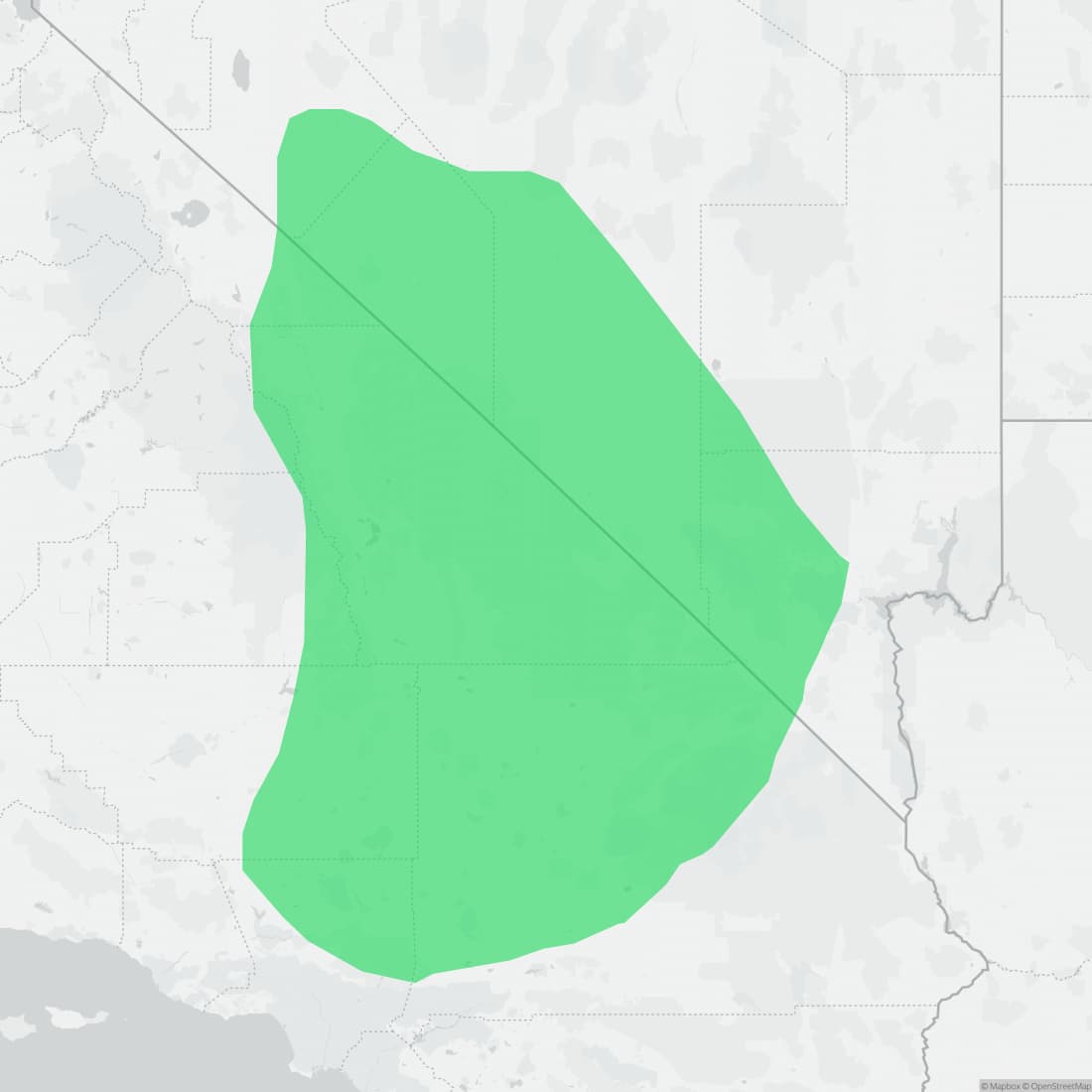
Approximate range. © Mapbox © OpenStreetMap