Blue Ridge Dusky Salamander
Desmognathus orestes
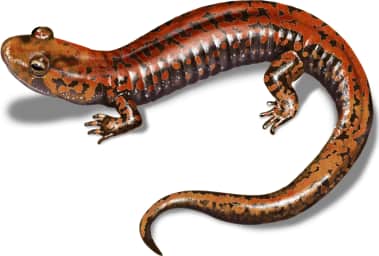
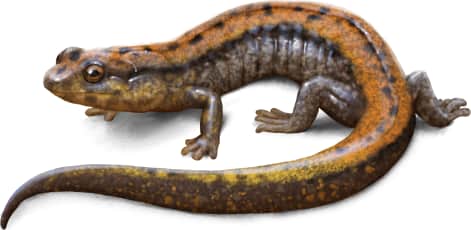
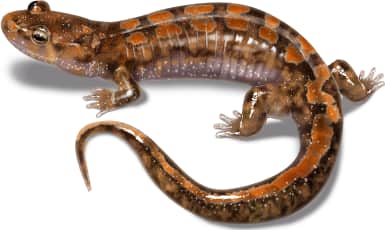
It is a medium-sized salamander (2.5 – 4.5 in) with wavy, or blotched striped dorsal color pattern. Colors can vary from light brown through shades of yellow and bright r…
How to identify
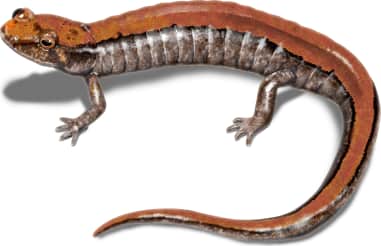
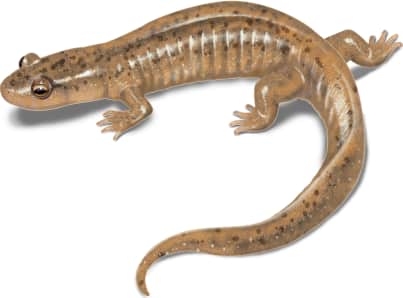
It is a medium-sized salamander (2.5 – 4.5 in) with wavy, or blotched striped dorsal color pattern. Colors can vary from light brown through shades of yellow and bright red. This species is very similar to others of its genus. They have a rounded tail and a line of light color from the eye to the jaw. Specimens can be seen to have a stripe that runs down the back. Stripe color can vary from red to orange, to yellow, to brown or even yellow. Instead of a stripe, some individuals can have spots or flecks on the back. Some of these salamanders have red legs or cheek patches. Hatchling salamanders have external gills and spend about 10 months as fully aquatic larvae.
Range
They are found at the Blue Ridge Physiographic Province from western Virginia to North Carolina (between Linville Falls and McKinney Gap on the Blue Ridge Divide) in the south-eastern part of the United States
Habitat
They thrive on wet rock faces, in seepages, along streams. In wet weather, you may find salamanders in adjacent wooded areas. They are found more terrestrial at higher elevations. The Blue Ridge dusky salamander feeds on invertebrates that roam the forest floor. Females lay their eggs under rocks, logs, moss or flowing water.
Similar species
The Ocoee salamander or Desmognathus ocoee shares a somewhat similar range. But the D. ocoee can be found in a much greater variety of altitudes. The Carolina mountain dusky salamander or Desmognathus carolinensis is very similar with little difference except in range. The Allegheny Mountain Dusky Salamander or Desmognathus ochrophaeus grows slightly smaller at 4 inches. But should be easily differentiated by its distinct range in Allegheny County, Pennsylvania.
Name and etymology
Genus
Desmognathus
Greek for jaw (gnathos) ligament (desmos).
Origin
Sources
- Baird, 1850. Journ. Acad. Nat. Sci. Philadelphia, Ser. 2, Vol. 1, p. 282 and p. 285 ↗
Desmognathus. Baird, 1850 - Journ. Acad. Nat. Sci. Philadelphia, Ser. 2, Vol. 1, p. 282 and p. 285
Species epithet
orestes
Honoring Orestes from Greek mythology.
Origin
Honors
Sources
- Tilley and Mahoney, 1996
Desmognathus orestes. Tilley and Mahoney, 1996
Explore more names in the etymology index.
At a glance
Range
They are found at the Blue Ridge Physiographic Province from western Virginia to North Carolina (between Linville Falls and M…
Habitat
They thrive on wet rock faces, in seepages, along streams. In wet weather, you may find salamanders in adjacent wooded areas.…
Guide
Reptiles and Amphibians of North America
Range map
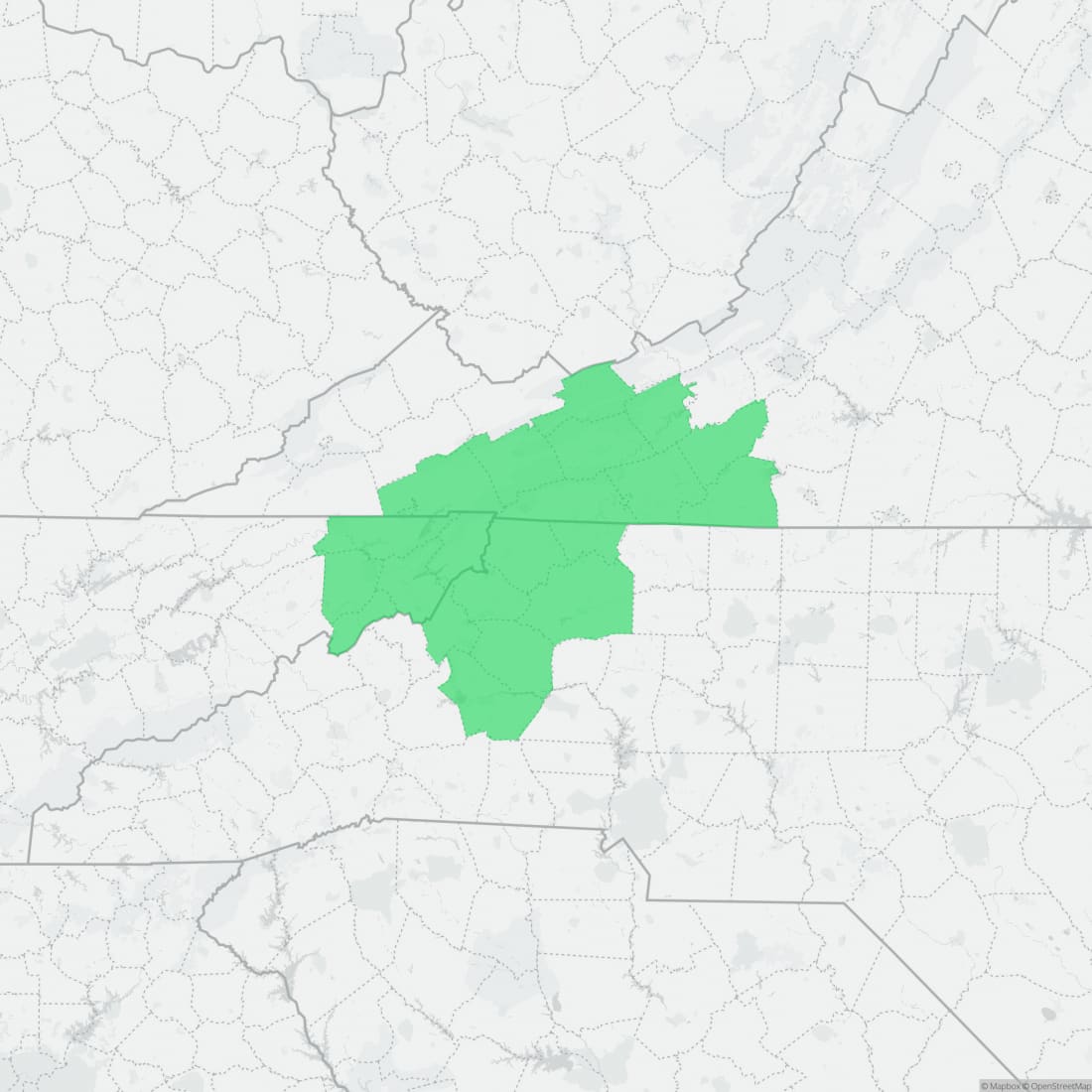
Approximate range. © Mapbox © OpenStreetMap