Barton Springs Salamander
Eurycea sosorum
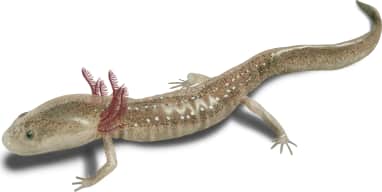
The salamander is slender with long limbs. It averages about 2.5 inches in length. It has got a tiny narrow head and very small, reduced eyes. Though the eyes do have a g…
How to identify
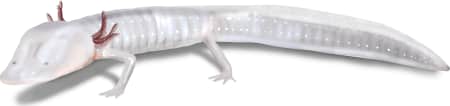
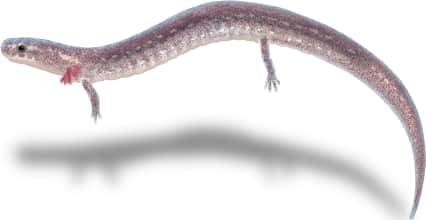
The salamander is slender with long limbs. It averages about 2.5 inches in length. It has got a tiny narrow head and very small, reduced eyes. Though the eyes do have a golden iris and black mottling. The colors of the salamander vary and may appear gray-brown, dark gray, plain gray, purple-gray or even yellowish brown (“salt and pepper effect”). The color varies but the younger salamanders are darker. The salamanders have three pairs of red gills, four fingers on each hand, five toes on each foot and are entirely aquatic.
Range
This species of salamander is found in Texas. It is endangered and not widespread. It earned its name by first being discovered in Barton Springs of Zilker Park in the Texas capital, Austin.
Habitat
They can be spotted in clear waters and spring openings where there is plenty of food and constant temperature (usually at 68 degrees Fahrenheit). The Barton Spring Salamanders can also be found under gravel and rocks very close to spring outflows and within aquatic vegetation. They can be found in water as deep as 0.1 to 5 meters. The salamanders feed on tiny aquatic crustaceans (amphipods) who share the habitat with them. Gravid females are known to be able to retain eggs for up to twelve months. Due to the translucent nature of its skin, sometimes eggs can be seen in the stomach of the females. Clutch size can be up to 40 but younglings have a high mortality.
Similar species
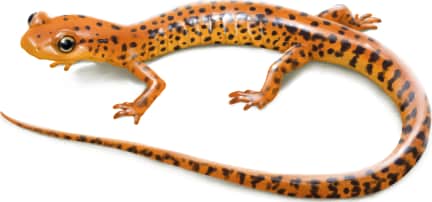
The eurycea nana or San Marcos salamander is very similar to the Barton Springs salamander. However, it can be differentiated by its size for one. The Eurycea nana is smaller than the Eurycea sosorum, in fact, it is the smallest of the genus. Further differences lie in the Barton Springs Salamander’s distinctive features such as its three red gills and their highly selective habitats. The size is a key difference between the Eurycea sosorum and the Eurycea rathbuni or Texas Cave Salamander. The Texas cave salamander can grow up to 5 inches. And its tail looks compressed, tapers at the end and is finned. A third similar species is the Long-tailed Salamander (Eurycea longicauda). However, this species typically appear yellow and have very long tails. With their tails taking up to 60% of their total body length
Name and etymology
Genus
Eurycea
Probably honoring Eurydice the wife of Orpheus in Greek mythology. Although Rafinesque, who named the genus, only wrote "mythological"
Origin
Honors
Sources
- Rafinesque, 1822. Kentucky Gazette, Lexington, N. S., Vol. 1, No. 9, Feb. 28, p. 3, column 6
Eurycea. Rafinesque, 1822 - Kentucky Gazette, Lexington, N. S., Vol. 1, No. 9, Feb. 28, p. 3, column 6
Species epithet
sosorum
Honoring conservation group, "Save Our Spring".
Origin
Sources
- Chippindale, Price, Wiens and Hillis, 2000 Herpetologica, 49: 249
Eurycea sosorum. Chippindale, Price, Wiens and Hillis, 2000 Herpetologica, 49: 249
Explore more names in the etymology index.
At a glance
Range
This species of salamander is found in Texas. It is endangered and not widespread. It earned its name by first being discover…
Habitat
They can be spotted in clear waters and spring openings where there is plenty of food and constant temperature (usually at 68…
Guide
Reptiles and Amphibians of North America
Range map
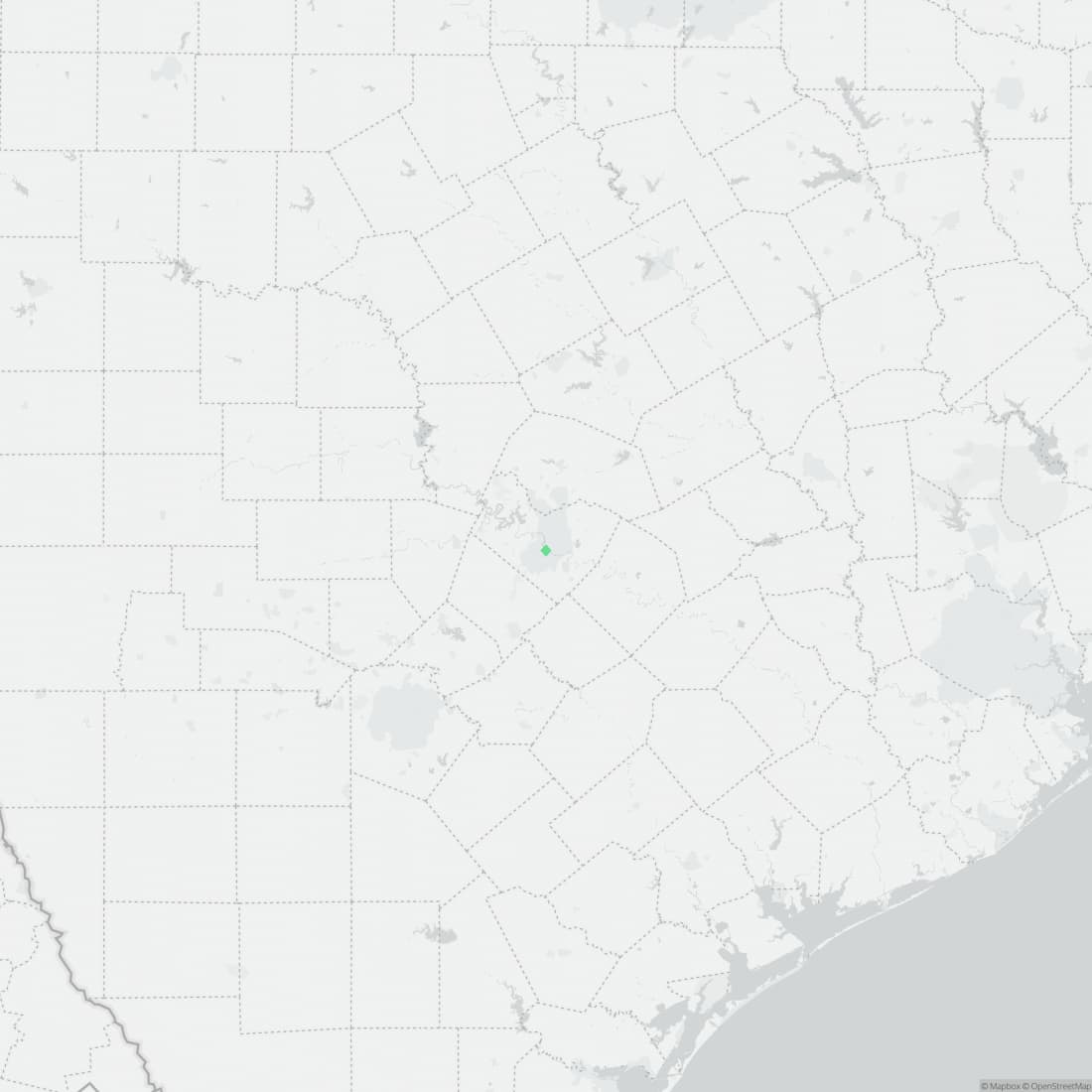
Approximate range. © Mapbox © OpenStreetMap