Berry Cave Salamander
Gyrinophilus gulolineatus
The Berry Cave salamander has dark spots or stripes on the upper part of the throat. It has a wide head, tiny eyes, a flat snout, and a size ranging from 80 to…
How to identify
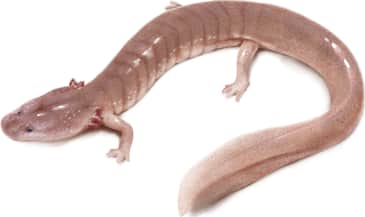
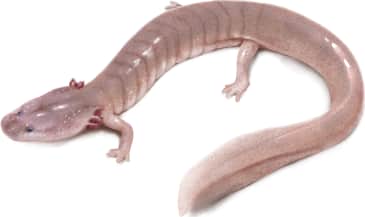
The Berry Cave salamander has dark spots or stripes on the upper part of the throat. It has a wide head, tiny eyes, a flat snout, and a size ranging from 80 to 105 millimeters. Their gills are long and pink but may become bright red when it is handled or tired. Berry Cave salamanders have slim limbs that are relatively long. They have a flattened tail and special fins that extend to the back, causing the tails to appear oar-shaped.
Range
The Berry cave Salamander is a species of Salamander which is indigenous to the ridge and valley Appalachians of eastern Tennessee. As their name depicts, they are based in the Berry cave and other underground chambers in the mountains of eastern Tennessee, occupying less than 5,000 km2.
Habitat
The berry cave salamander is hardly found outside cave environments. They are natural inland Karsts inhabitants. They are found dwelling under logs, rocks and other debris. They feed on often smaller species like shrimps, crabs. Barnacles, lobsters, worms and smaller salamanders. The Berry cave salamander attain reproductive maturity when it reaches an approximate length of 70mm. However, their eggs and embryos hasn’t been described till date. Also, they do not undergo changes into adulthood, thus, they continue to breed in their larval stage. This is the main reason why they often possess juvenile features.
Similar species
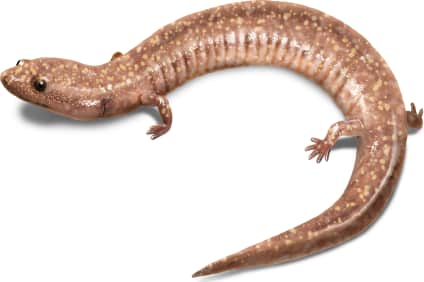
The berry cave salamander shares similar features with the Tennessee cave salamander (gyrinophilus palleucus) but they aren’t as big as the berry cave salamander. They remain at their larvae stage for the rest of their lives The spring salamander (Gyrinophilus porphyriticus) has a dorsal pigmentation that is rather distinct. It varies from pink to red or salmon, having black or brown spots. Although, they sometimes adopt the same cave systems with the berry cave salamander. The west Virginia spring salamander (Gyrinophilus subterraneus) has a paler skin color with darker reticulations
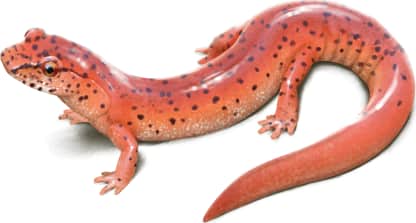
Name and etymology
Genus
Gyrinophilus
Greek for loving (philos) tadpole (gyrinos).
Origin
Sources
- Cope, 1869. Proc. Acad. Nat. Sci. Philadelphia, Vol. 21, p. 108 ↗
Gyrinophilus. Cope, 1869 - Proc. Acad. Nat. Sci. Philadelphia, Vol. 21, p. 108
Species epithet
gulolineatus
Latin for marked, striped (lineatus) throat (gula).
Origin
Sources
- Brandon, 1965. Copeia, p. 347 ↗
Gyrinophilus palleucus gulolineatus. Brandon, 1965 - Copeia, p. 347
Explore more names in the etymology index.
More illustrations
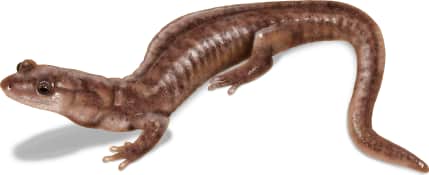
Metamorphosed form
At a glance
Range
The Berry cave Salamander is a species of Salamander which is indigenous to the ridge and valley Appalachians of eastern Tenn…
Habitat
The berry cave salamander is hardly found outside cave environments. They are natural inland Karsts inhabitants. They are fou…
Guide
Reptiles and Amphibians of North America
Range map
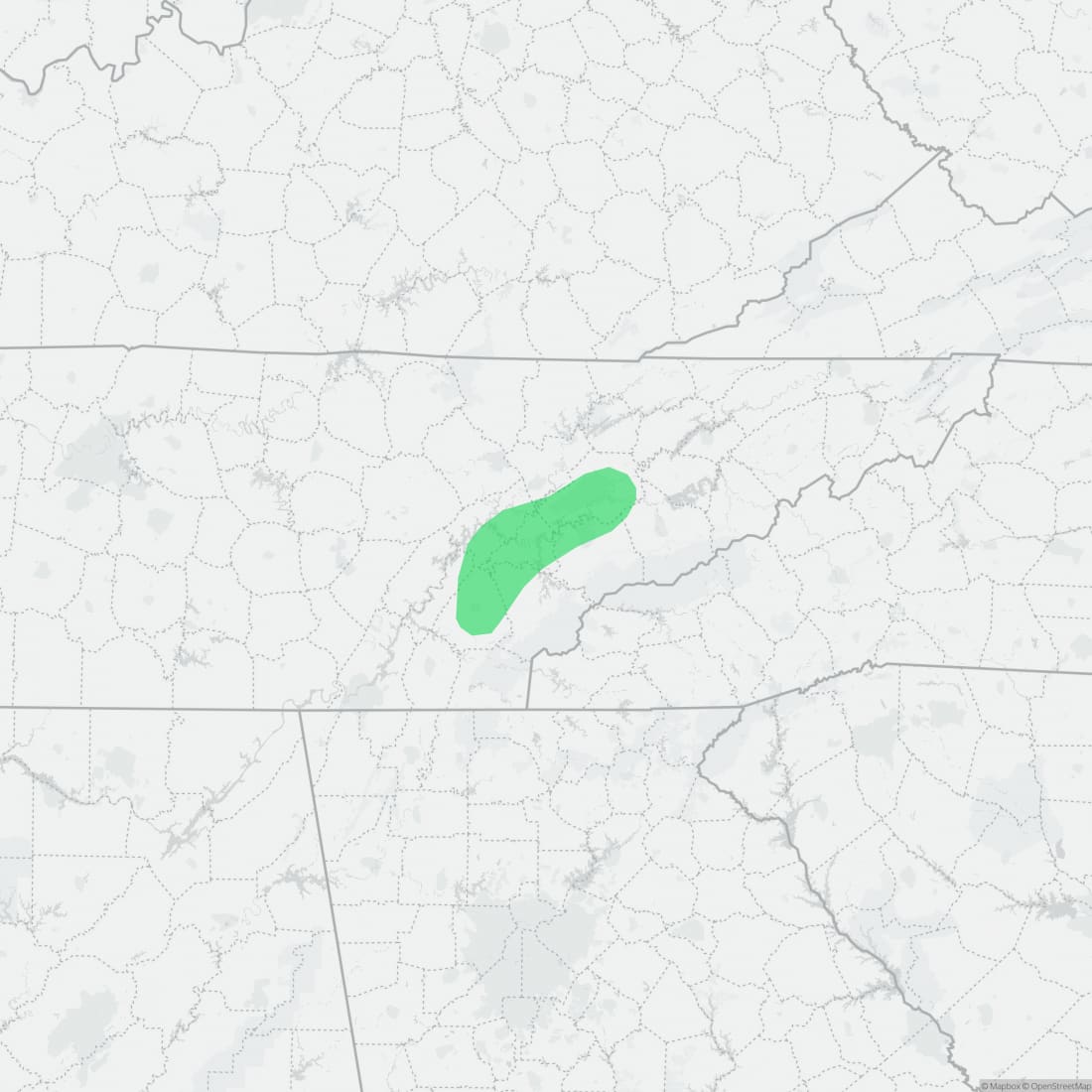
Approximate range. © Mapbox © OpenStreetMap