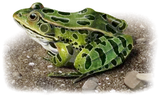
Barking Tree Frog
Hyla gratiosa
The barking tree frog is a relatively large species of tree frog and is the largest species native to America. The frog’s length is normally from 2.0 – 2.8 in. It is diff…
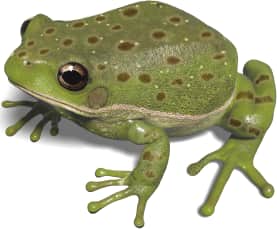
How to identify
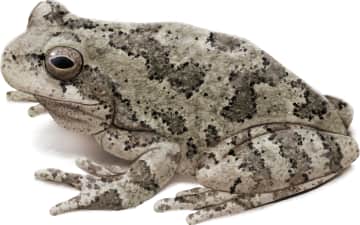
The barking tree frog is a relatively large species of tree frog and is the largest species native to America. The frog’s length is normally from 2.0 – 2.8 in. It is difficult to pinpoint a specific range of colors for this frog because it can change the color of their skin. Colors vary greatly. However, it is easy to differentiate because of the dark spots on their backs. To aid with climbing, the barking tree frog has rounded toe pads. The loud calls often created by males are done with the help of a large vocal sac. Eyes of the barking tree frog are black, gold and brown. The tadpoles are also large, reaching lengths of up to 2.0 in. and can take up to 2 months to transition.
Range
The barking tree frog can be found from southern Virginia through to Florida and eastern Louisiana. They occur more commonly in the coastal areas and there are colonies in Tennessee and Kentucky and also have been introduced into the southern part of New Jersey.
Habitat
When the weather is warm they can be found on treetops. But they reside both on land and in water. In dry weather, they dig into the ground and shelter in roots and clumps of vegetation seeking moisture. In breeding season, they come together at ponds and streams. These tree frogs, like most others are insectivorous – eating and hunting crickets, earthworms, max worms and even insect larvae. They have a very broad diet.
Similar species
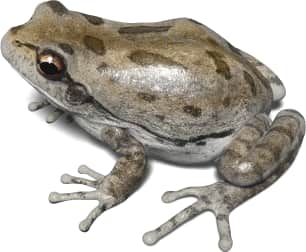
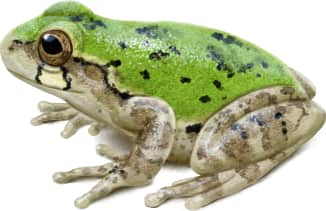
The barking tree frog can be compared to Cope’s Gray Tree Frog (Hyla chrysoscelis) and the Gray Tree Frog (Hyla versicolor) both of which are nearly indistinguishable from each other. However, the major physical difference between the gratiosa and the other two is that it doesn’t have the bright orange patches on its hind legs. Bird-voiced Tree Frog (Hyla avivoca). This species is much smaller than the barking tree averaging 2.0 inches in length. But all four similar species have characteristic calls that differentiate each other from themselves.
Name and etymology
Genus
Hyla
Honoring Hylas, an Argonaut from greek mythology, who name means "belonging to the woods"
Origin
Honors
Sources
- Laurenti, 1768. Syn. Rept., p. 32
Hyla. Laurenti, 1768 - Syn. Rept., p. 32
Species epithet
gratiosa
Latin meaning favored or beloved
Origin
Sources
- Le Conte, 1856. Proc. Acad. Nat. Sci. Philadelphia, Vol. 8, p. 146, pl. 4 ↗
Hyla gratiosa. Le Conte, 1856 - Proc. Acad. Nat. Sci. Philadelphia, Vol. 8, p. 146, pl. 4
Explore more names in the etymology index.
At a glance
Range
The barking tree frog can be found from southern Virginia through to Florida and eastern Louisiana. They occur more commonly…
Habitat
When the weather is warm they can be found on treetops. But they reside both on land and in water. In dry weather, they dig i…
Guide
Reptiles and Amphibians of North America
Range map
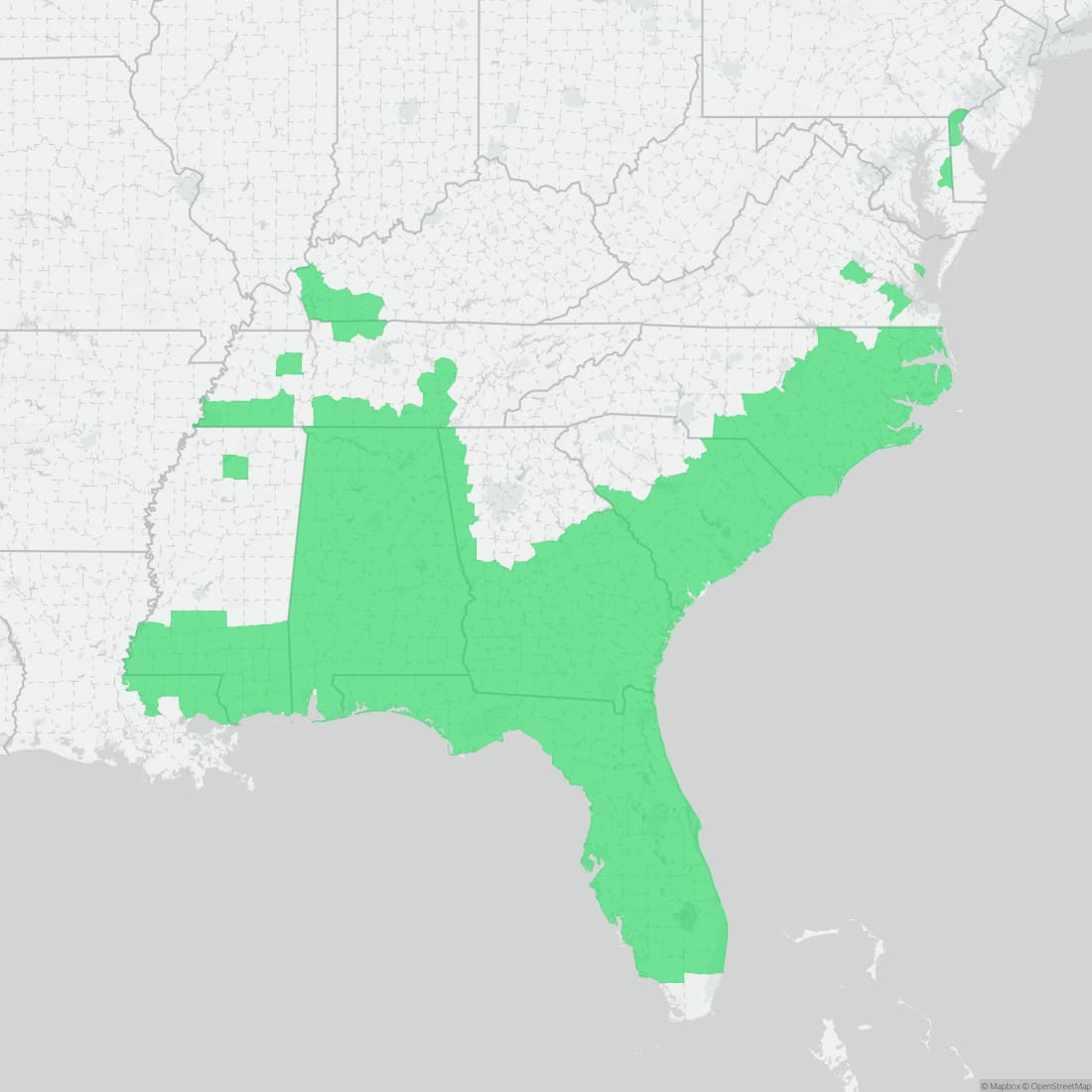
Approximate range. © Mapbox © OpenStreetMap