Coast Night Snake
Hypsiglena ochrorhynchus
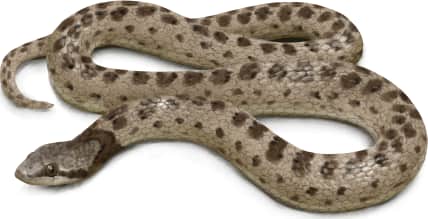
A small snake that can reach 12-20 inches in length. It has a light brown or grey background color with rows of darker spotting down the length of its body. The central 2…
How to identify
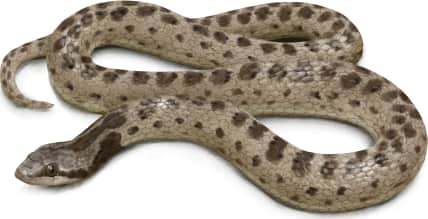
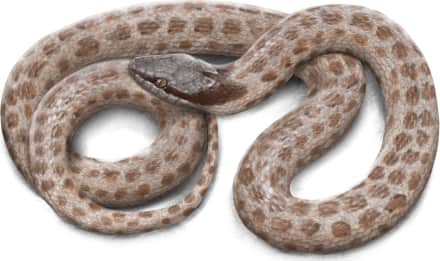
A small snake that can reach 12-20 inches in length. It has a light brown or grey background color with rows of darker spotting down the length of its body. The central 2 rows of large spots are usually overlapping and misaligned. The darkest patches are found on the sides of its neck, sometimes forming a complete collar, as well as a dark bar behind each eye. It has a flat head and vertical pupils. Ventrum is light and unmarked.
Range
There are 8 subspecies ranging through most of coastal California and the foothills of the Sierra Nevada mountain range, down through the Baja Peninsula.
Habitat
Found in different types of arid habitats including chaparral, deserts, mountain meadows, grasslands, and suburban areas. Likes to hide under natural and manmade debris, emerging at night or dusk and dawn.
Variations
Color scheme varies based on environmental surroundings. Some are brown or reddish tones, while others are grey tones.
Similar species
Similar in appearance to other nightsnake species, including the Chihuahuan nightsnake (*Hypsiglena jani*), desert nightsnake (*Hypsiglena chlorophaea*), Sinaloan nightsnake (*Hypsiglena torquata*), and Baja California nightsnake (*Hypsiglena slevini*).
Name and etymology
Genus
Hypsiglena
Greek for high (hypsi) eyeball (glenes).
Origin
Sources
- Cope, 1860. Proc. Acad. Nat. Sci. Philadelphia, Vol. 12, p. 246 ↗
Hypsiglena. Cope, 1860 - Proc. Acad. Nat. Sci. Philadelphia, Vol. 12, p. 246
Species epithet
ochrorhynchus
Greek for ochre (ochros) snout (rhynchos).
Origin
Sources
- Cope, 1860. Proc. Acad. Nat. Sci. Philadelphia, Vol. 12, p. 246 ↗
Hypsiglena. Cope, 1860 - Proc. Acad. Nat. Sci. Philadelphia, Vol. 12, p. 246
Explore more names in the etymology index.
At a glance
Range
There are 8 subspecies ranging through most of coastal California and the foothills of the Sierra Nevada mountain range, down…
Habitat
Found in different types of arid habitats including chaparral, deserts, mountain meadows, grasslands, and suburban areas. Lik…
Guide
Reptiles and Amphibians of North America
Range map
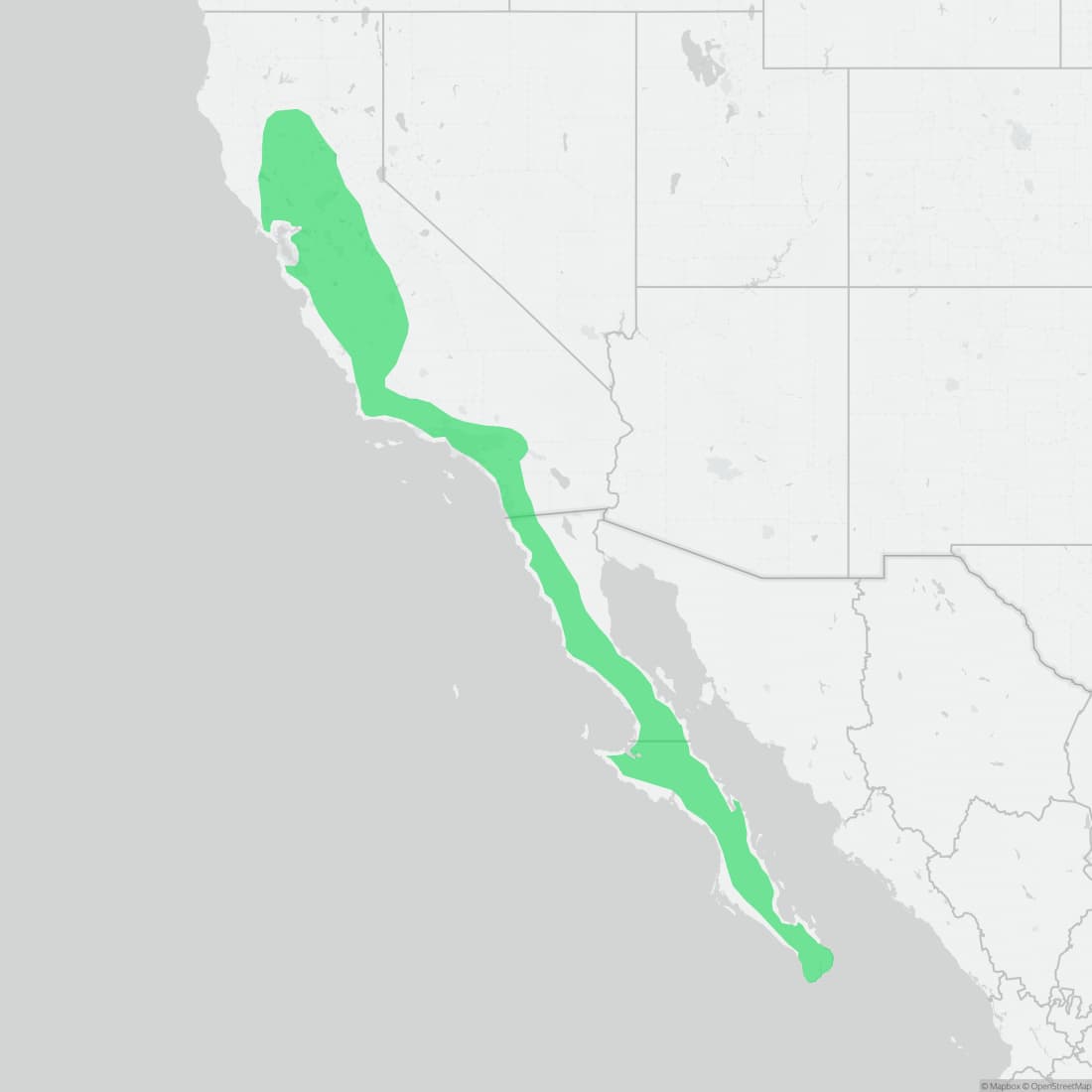
Approximate range. © Mapbox © OpenStreetMap