
Sonoran Whipsnake
Masticophis bilineatus
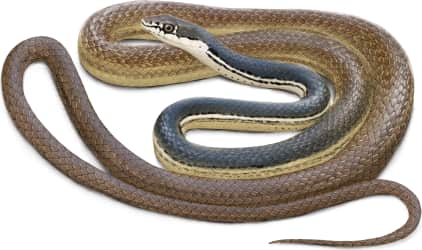
The Sonoran whipsnake has a length that ranges from 24-67 inches. It has a body coloration of olive, gray, greenish or gray-brown color that fades towards the tail. The b…
How to identify
The Sonoran whipsnake has a length that ranges from 24-67 inches. It has a body coloration of olive, gray, greenish or gray-brown color that fades towards the tail. The body of this species has two-three light-colored stripes on each side that extend from the neck to about the mid-body before melting into the color of the background. Its belly is cream that fades to pale yellow towards its tail. Masticophis bilineatus has a broad head with large eyes and round pupils.
Range
This species is found in southeastern to west-central Arizona and in Northern Mexico.
Habitat
The Sonoran whipsnake is diurnal and can be found in rocky streams, where grass, saguaro cactus, ocotillo, palo verde grow through chaparral and juniper areas. Rocky canyons, foothills and mountains with dense vegetation are part of its habitat. It feeds on birds, other snakes, frogs, lizards and small mammals. The females lay 4-13 eggs per clutch.
Similar species
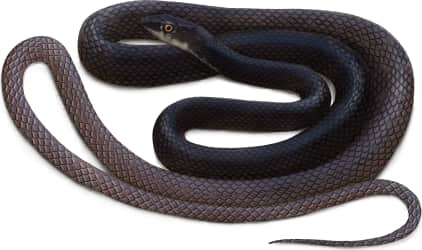
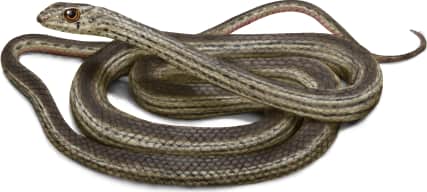
The striped whipsnake or masticophis taeniatus is a white to cream-colored stripe down its side bisected by either a dashed or solid black line. The belly of this species ranges from cream to yellow and fades to white towards the head. The color is coral pink towards the tail. The yellow-faced whipsnake or Demansia psammophis has a reddish coloring on its head and a dark coma-shaped streak that runs from the eye to the corner of its mouth. The face of this species has a yellow-edged dark bar that lies around the front of the snout from nostril to nostril. The coachwhip or Masticophis flagellum vary in color, reflecting a camouflage with the environment. The color ranges from dark brown to pink with brown flecking on the body. It has small head with large eyes.
Name and etymology
Genus
Masticophis
Greek for whip (mastix) snake (ophis).
Origin
Sources
- Baird and Girard, 1853. Cat. N. Amer. Rept., Pt. 1, p. 98 ↗
Masticophis. Baird and Girard, 1853 - Cat. N. Amer. Rept., Pt. 1, p. 98
Species epithet
bilineatus
Latin for two (bi) lines (lineatus).
Origin
Sources
- Jan, 1863. Elenco Sist. Ofidi, p. 65
Masticophis bilineatus. Jan, 1863 - Elenco Sist. Ofidi, p. 65
Explore more names in the etymology index.
At a glance
Range
This species is found in southeastern to west-central Arizona and in Northern Mexico.
Habitat
The Sonoran whipsnake is diurnal and can be found in rocky streams, where grass, saguaro cactus, ocotillo, palo verde grow th…
Guide
Reptiles and Amphibians of North America
Range map
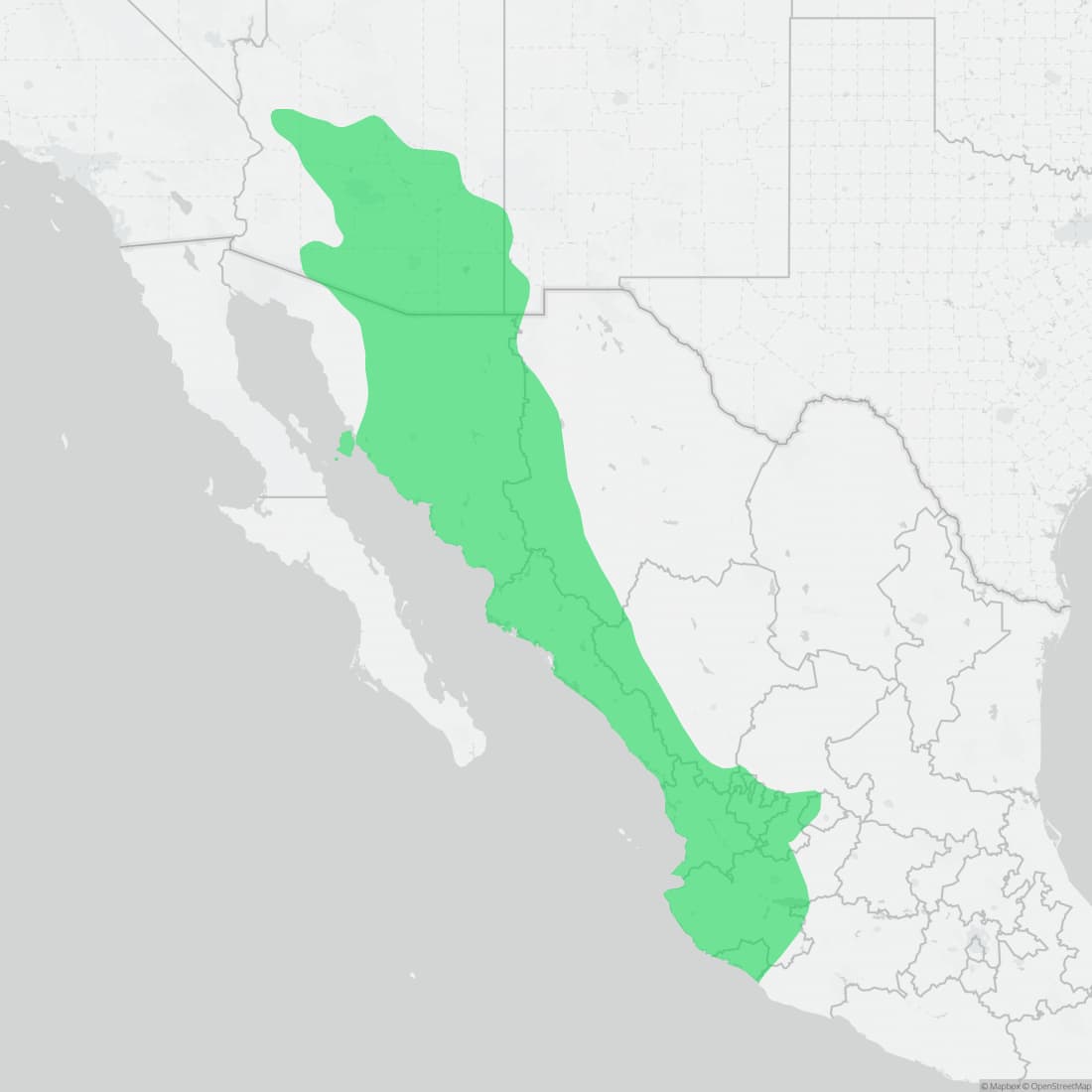
Approximate range. © Mapbox © OpenStreetMap