Striped Whipsnake
Masticophis taeniatus
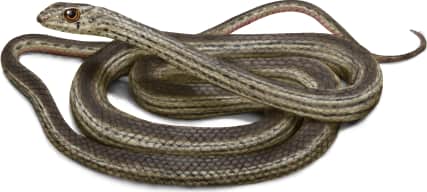
The striped whipsnake or Masticophis taeniatus has a total length that ranges from 30-72 inches. This snake exhibits dark brown, black, or gray coloration on the back. Th…
How to identify
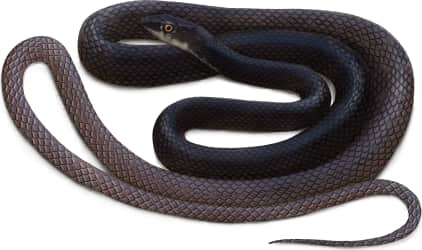
The striped whipsnake or Masticophis taeniatus has a total length that ranges from 30-72 inches. This snake exhibits dark brown, black, or gray coloration on the back. This varying coloration comes often with an olive or bluish. There is a dark longitudinal stripe along the center of ach of the first four rows of dorsal scales. The dorsal scales are smooth and not keeled and the scales at the head are large distinguishing it from others. The belly of this species ranges from a cream to yellowish coloration which fades to white toward the head and is coral pink toward the tail. Another feature of Masticophis taeniatus is a lower preocular between the upper labial scales of the mouth.
Range
This species is native to the Western United States in northern California and southwestern Oregon. It is also found in the adjacent region of northern Mexico.
Habitat
The habitat of striped whipsnake includes shrublands, sagebrush flats, pinyon-juniper woodlands, grasslands, canyons, steep slopes and rocky streams. It is diurnal and feeds on lizards, small mammals, frog, insects, young birds and other snakes. After fertilization, the female striped whipsnake lays 3-12 eggs in an abandoned rodent burrow. The natural incubation period is between 44-58 days.
Variations
Desert striped whipsnake or Masticophis taeniatus taeniatus is bisected on its body by dashes or a black line with a lateral stripe color that ranges from cream to white.
Similar species
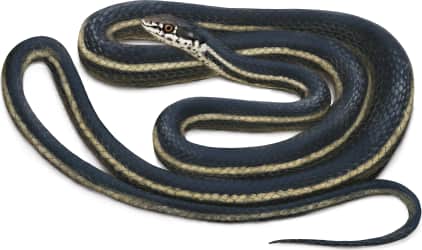
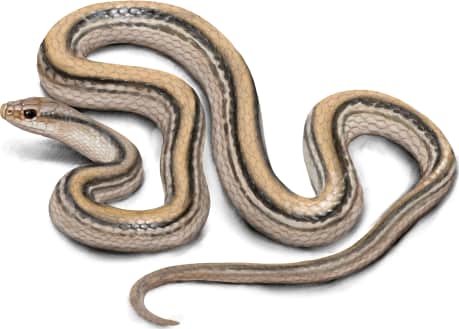
California striped racer or Masticophis lateralis is dark olive brown with a pale cream or yellow solid stripe present on each side that extends from the back to the eye. The stripes of this species are narrow having 2-half scales wide. Mohave patch-nosed snake or Salvadora hexalepis is pale gray with a broad tan or yellow stripe that goes down the middle of its back and dark stripes on its side. The dark side stripes are usually indistinct and obscured by crossbars around the edges of its range. Red racer or Masticophis flagellum has a braided appearance of scales on its tail that is like a whip. The dark pattern of this species is interspersed with light coloring which creates a banded or saddled appearance.
Name and etymology
Genus
Masticophis
Greek for whip (mastix) snake (ophis).
Origin
Sources
- Baird and Girard, 1853. Cat. N. Amer. Rept., Pt. 1, p. 98 ↗
Masticophis. Baird and Girard, 1853 - Cat. N. Amer. Rept., Pt. 1, p. 98
Species epithet
taeniatus
Latin for striped.
Origin
Sources
- (Hallowell, 1852). Proc. Acad. Nat. Sci. Philadelphia, Vol. 6, p. 181 ↗
Masticophis taeniatus. (Hallowell, 1852) - Proc. Acad. Nat. Sci. Philadelphia, Vol. 6, p. 181
Explore more names in the etymology index.
At a glance
Range
This species is native to the Western United States in northern California and southwestern Oregon. It is also found in the a…
Habitat
The habitat of striped whipsnake includes shrublands, sagebrush flats, pinyon-juniper woodlands, grasslands, canyons, steep s…
Guide
Reptiles and Amphibians of North America
Range map
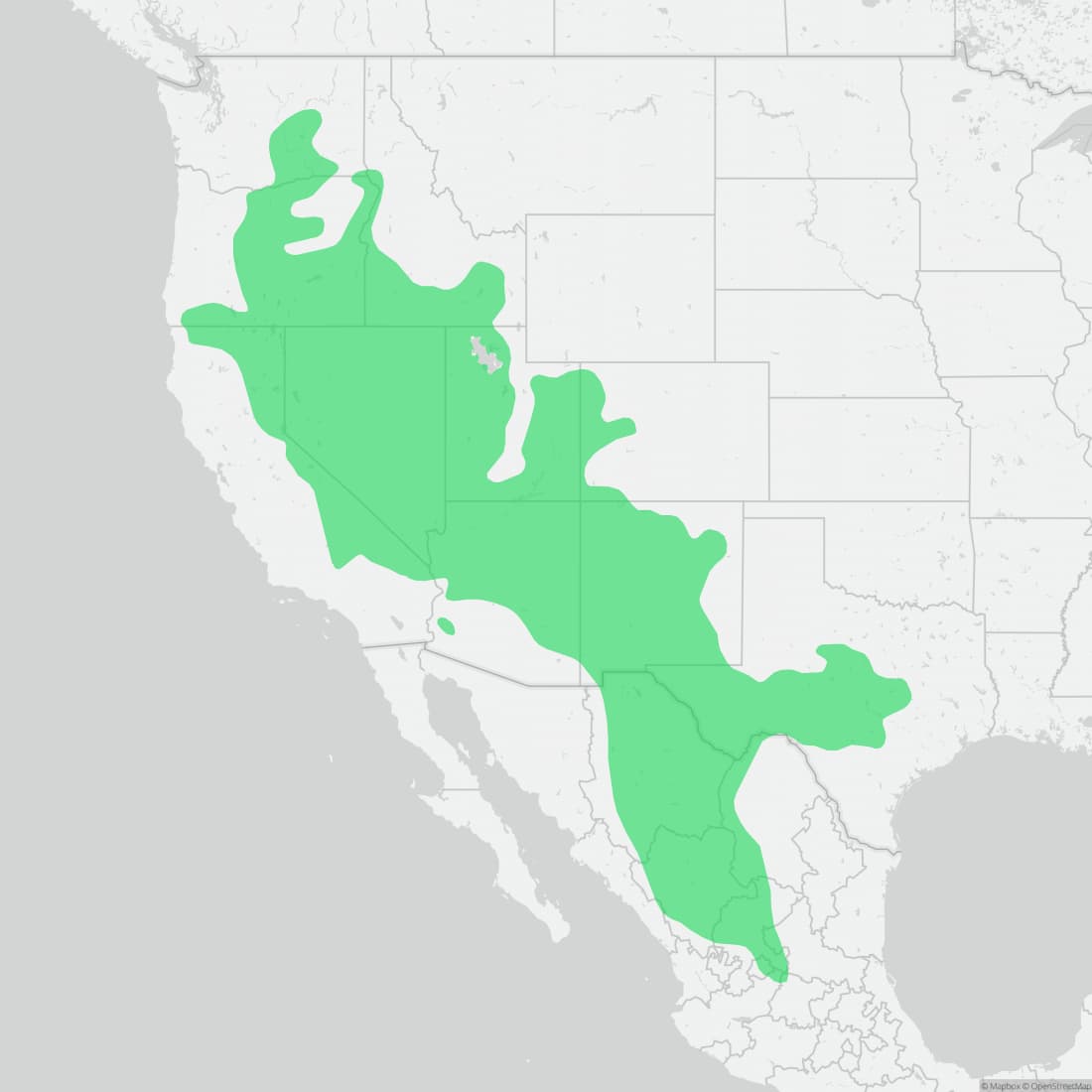
Approximate range. © Mapbox © OpenStreetMap