Plain-bellied Watersnake
Nerodia erythrogaster
The adult plain-bellied water snake range from 24-40 inches in length, although some members of this species can reach up to 55 inches in some states like Kansas. The und…
How to identify
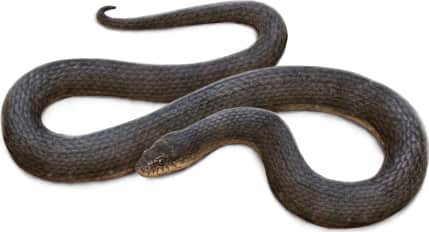
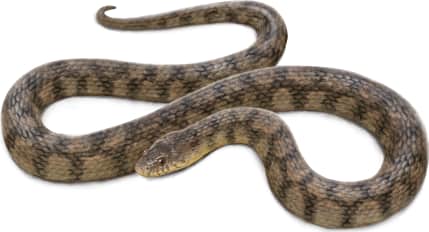
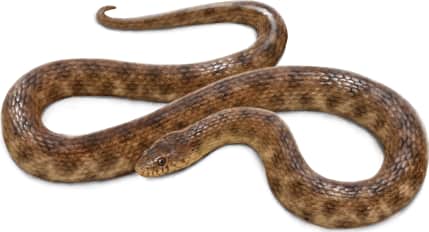
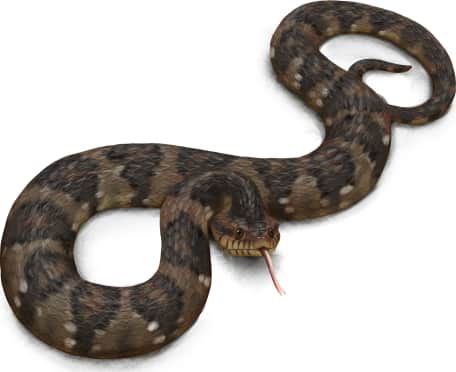
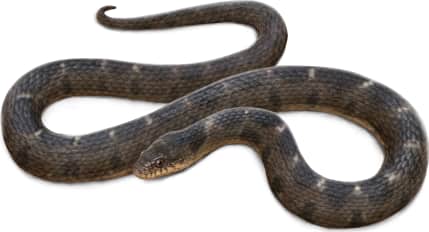
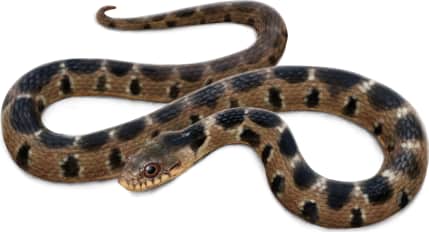
The adult plain-bellied water snake range from 24-40 inches in length, although some members of this species can reach up to 55 inches in some states like Kansas. The underside of the plain-bellied Watersnake is, like the name suggests, unpatterned. The dorsum is either solid color from gray to olive to brown, or blotched with light indistinct crossbands. Young snakes have dark brown blotches separated by light bands, often with reddish sides between blotches. It vigorously protects itself with repeated strikes and making its head flattened to look like a cottonmouth.
Range
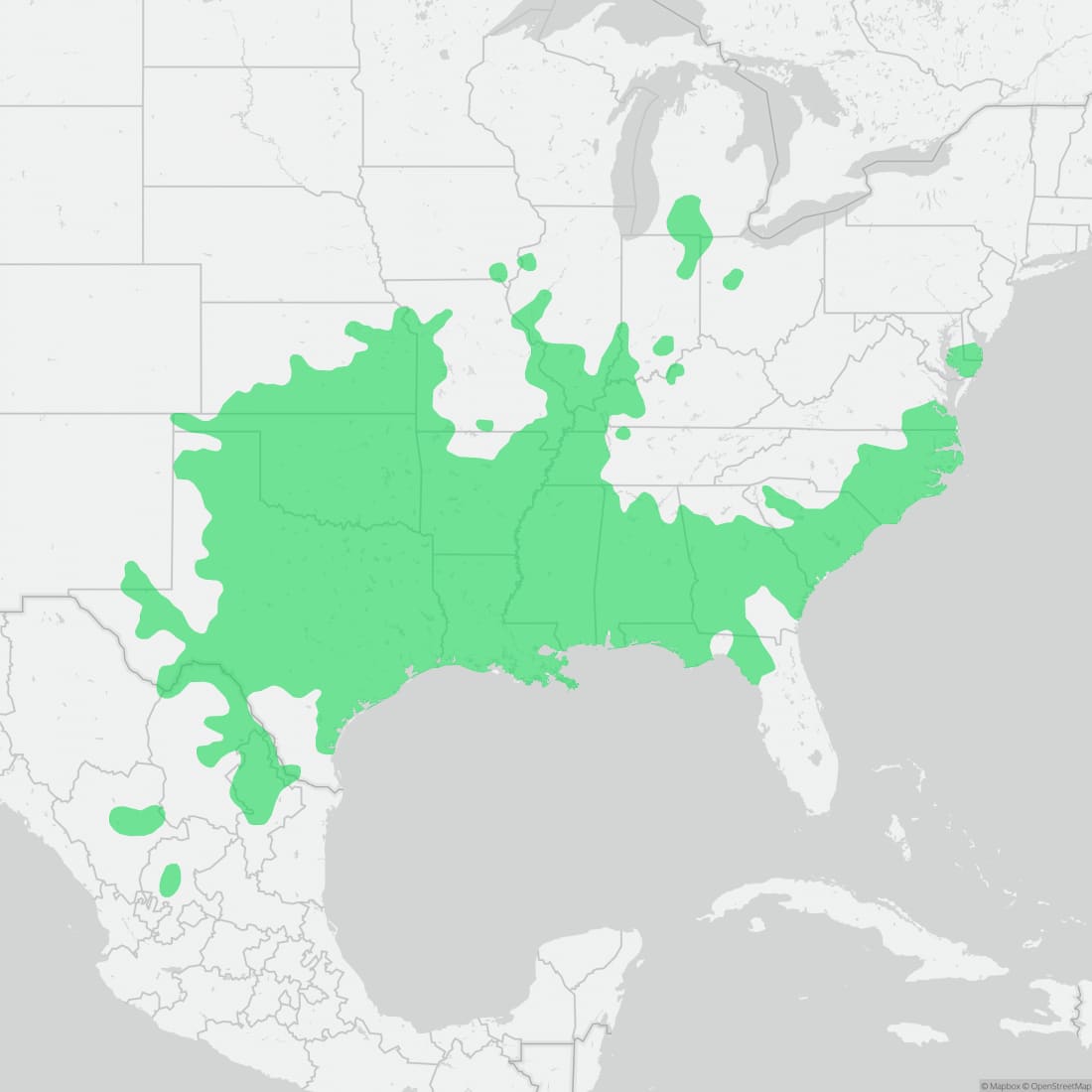
This species is usually found mostly in the Southeastern United States which ranges from Texas to northern Florida in the south and Michigan to Delaware in the north.
Habitat
This species is most likely to be found near a constant water source such as lake, stream or other slow-moving body. Nerodia Erythrogaster or plain-bellied water snake is ovoviviparous, that is, it gives birth to its young ones alive similar to other North American garter snakes and water snakes. The breeding period ranges from April to June producing broods of 5-27 young ones born between August and October. Fish, reptiles, rodents and amphibians are amongst the diet of the plain-bellied water snake.
Variations
Nerodia Erythrogaster Flavigaster or Yellow-bellied water snake is known to lack markings on its bellies. The back of this species is gray, greenish or black and sparsely patterned. The yellow-bellied water snakes possess distinct patterns when young. Nerodia Erythrogaster Erythrogaster or red-bellied water snakes have undersides varying from bright orange to yellow-red.
Similar species
Nerodia Rhombifer or diamond-back water snake is prominently known to have black spots vaguely diamond-shaped and black in color. It has a rough texture due to dorsal scales that are heavily keeled arranged in 25 or 27 rows at the midbody. A total of three postoculars are present on the midbody. The underside of Nerodia Rhombifer or diamond-back water snake is usually yellow or light brown in color with black blotching. Nerodia Fasciata or banded water snake display a unique banding which are usually greenish-grey, brown or grey in color that make its pattern barely discernible. This distinguishing feature together with flat heads, and a foul-smelling musk make up the banded water snakes. Nerodia Harteri or Brazos water snake possesses spots that are aligned on its body in rows of two running down each side of its back. It is also known to have a pinkish-orange underside with each side having dark spots.
Name and etymology
Genus
Nerodia
From Nereis the sea nymphs of Greek mythology.
Origin
Sources
- Baird and Girard, 1853. Cat. N. Amer. Rept., Pt. 1, p. 47 ↗
Nerodia. Baird and Girard, 1853 - Cat. N. Amer. Rept., Pt. 1, p. 47
Species epithet
erythrogaster
Greek for red (erythros) belly (gaster) referencing the venter color of nominate subspecies.
Origin
Sources
- (Forster, 1771).
Nerodia erythrogaster. (Forster, 1771) -
Explore more names in the etymology index.
More illustrations
Young adult
Juvenile
At a glance
Size
76 to 163 cm
Range
This species is usually found mostly in the Southeastern United States which ranges from Texas to northern Florida in the sou…
Habitat
This species is most likely to be found near a constant water source such as lake, stream or other slow-moving body. Nerodia…
Range map
Approximate range. © Mapbox © OpenStreetMap