Southern Gray-cheeked Salamander
Plethodon metcalfi
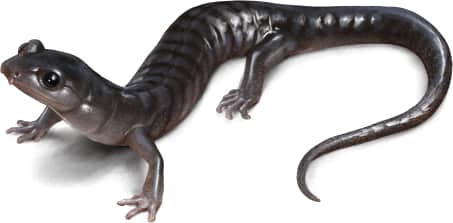
Dark gray dorsum; light gray areas around cheeks. Does not undergo an aquatic larval stage; young are born resembling smaller adults. When provoked by predators, will rel…
How to identify
Dark gray dorsum; light gray areas around cheeks. Does not undergo an aquatic larval stage; young are born resembling smaller adults. When provoked by predators, will release unpleasant, viscous secretions from skin. Females likely to lay eggs underground from April to June.
Range
Areas in eastern North Carolina, eastern South Carolina and extreme northern Georgia.
Habitat
Generally inhabits woodlands in mountains. During the day stays under natural cover like rocks and logs. At night, will scavenge for food. Observed especially during wet nights.
Variations
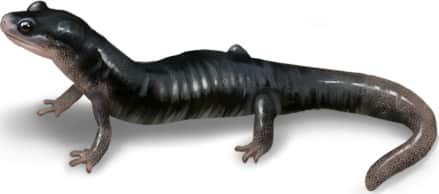
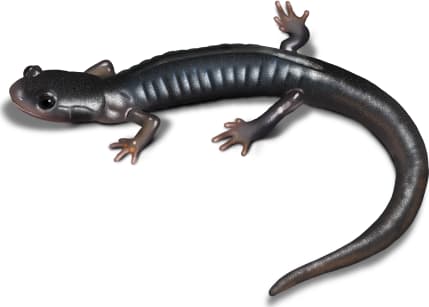
Until recently was grouped in same species as Blue Ridge Grey-cheeked Salamander (*Plethodon amplus*), South Mountain Grey-cheeked Salamander (*Plethodon meridianus*) and Northern Grey-cheeked Salamander (*Plethodon montanus*). These species differ largely based on location.
Similar species
Name and etymology
Genus
Plethodon
Greek for full of (plethore) teeth (odon).
Origin
Sources
- Tschudi, "1838" 1839. reprinted in Classif. Batr., Mem. Soc. Sci. Nat. Neuchatel, p. 92 ↗
Plethodon. Tschudi, "1838" 1839 - reprinted in Classif. Batr., Mem. Soc. Sci. Nat. Neuchatel, p. 92
Species epithet
metcalfi
Honoring Zeno Payne Metcalf.
Origin
Honors
Sources
- Brimley 1912. Proc. Biol. Soc. Wash. 25:135
Plethodon shermani. Brimley 1912. Proc. Biol. Soc. Wash. 25:135
Explore more names in the etymology index.
At a glance
Range
Areas in eastern North Carolina, eastern South Carolina and extreme northern Georgia.
Habitat
Generally inhabits woodlands in mountains. During the day stays under natural cover like rocks and logs. At night, will scave…
Guide
Reptiles and Amphibians of North America
Range map
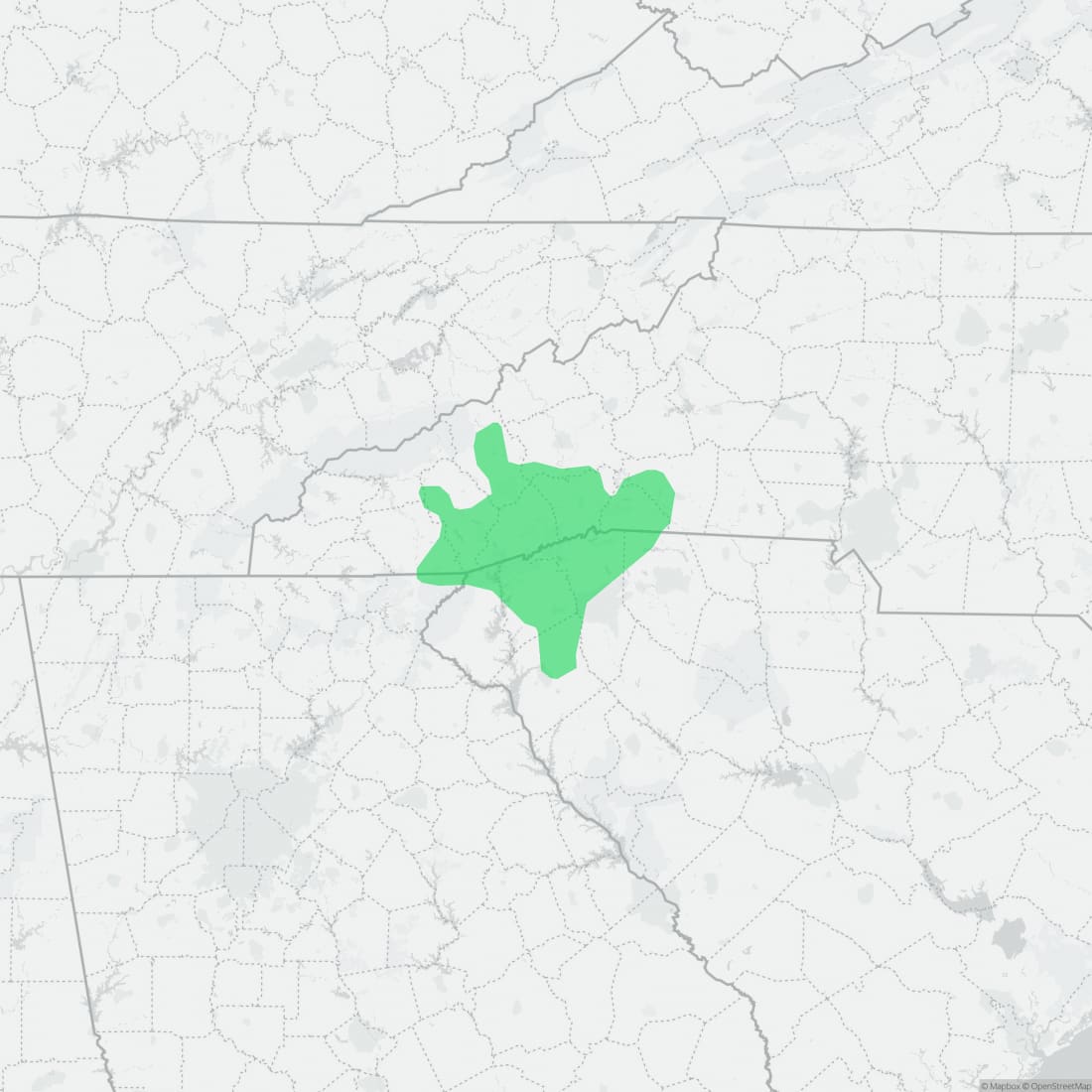
Approximate range. © Mapbox © OpenStreetMap