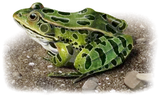
California Tree Frog
Pseudacris cadaverina
At 3-5 centimeters long, this small frog has slate grey coloration to blend well into its rocky surroundings. Its skin is bumpy and it has irregular dark grey blotching a…
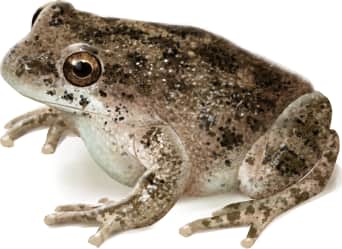
How to identify
At 3-5 centimeters long, this small frog has slate grey coloration to blend well into its rocky surroundings. Its skin is bumpy and it has irregular dark grey blotching all over for camouflage. Back toes are webbed, and all toe pads are pronounced. Abdomen and undersides of legs are yellow.
Range
Coastal southern California and northern Baja peninsula.
Habitat
Found in rocky habitats alongside streams. Occasionally found in upland areas far from water source during fall and winter.
Variations
Can have tan or greenish hues to its skin tone.
Similar species
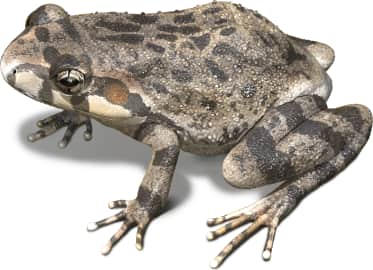
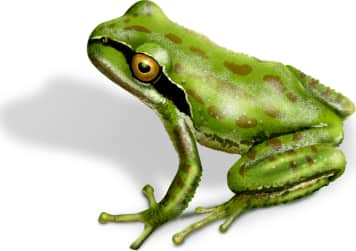
Most closely resembles the Canyon tree frog (*Hyla arenicolor*), which is found further east and throughout Mexico, and is often more green in color. Shares its range with the Baja California tree frog (*Pseudacris hypochondriaca*), but this species has more color and pattern variation than the California tree frog.
Name and etymology
Genus
Pseudacris
Greek for false(pseudes) locus(akris) referencing genus Acris.
Origin
Sources
- Fitzinger, 1843. Syst. Rept., p. 31 ↗
Pseudacris. Fitzinger, 1843 - Syst. Rept., p. 31
Species epithet
cadaverina
Latin for appearing like (-ina) a corpse (cadaver), referencing its pale coloration.
Origin
Sources
- Wikipedia: Pseudacris cadaverina ↗
“Pseudacris cadaverina.” Wikipedia. https://en.wikipedia.org/wiki/California_tree_frog
Explore more names in the etymology index.
At a glance
Range
Coastal southern California and northern Baja peninsula.
Habitat
Found in rocky habitats alongside streams. Occasionally found in upland areas far from water source during fall and winter.
Guide
Reptiles and Amphibians of North America
Range map
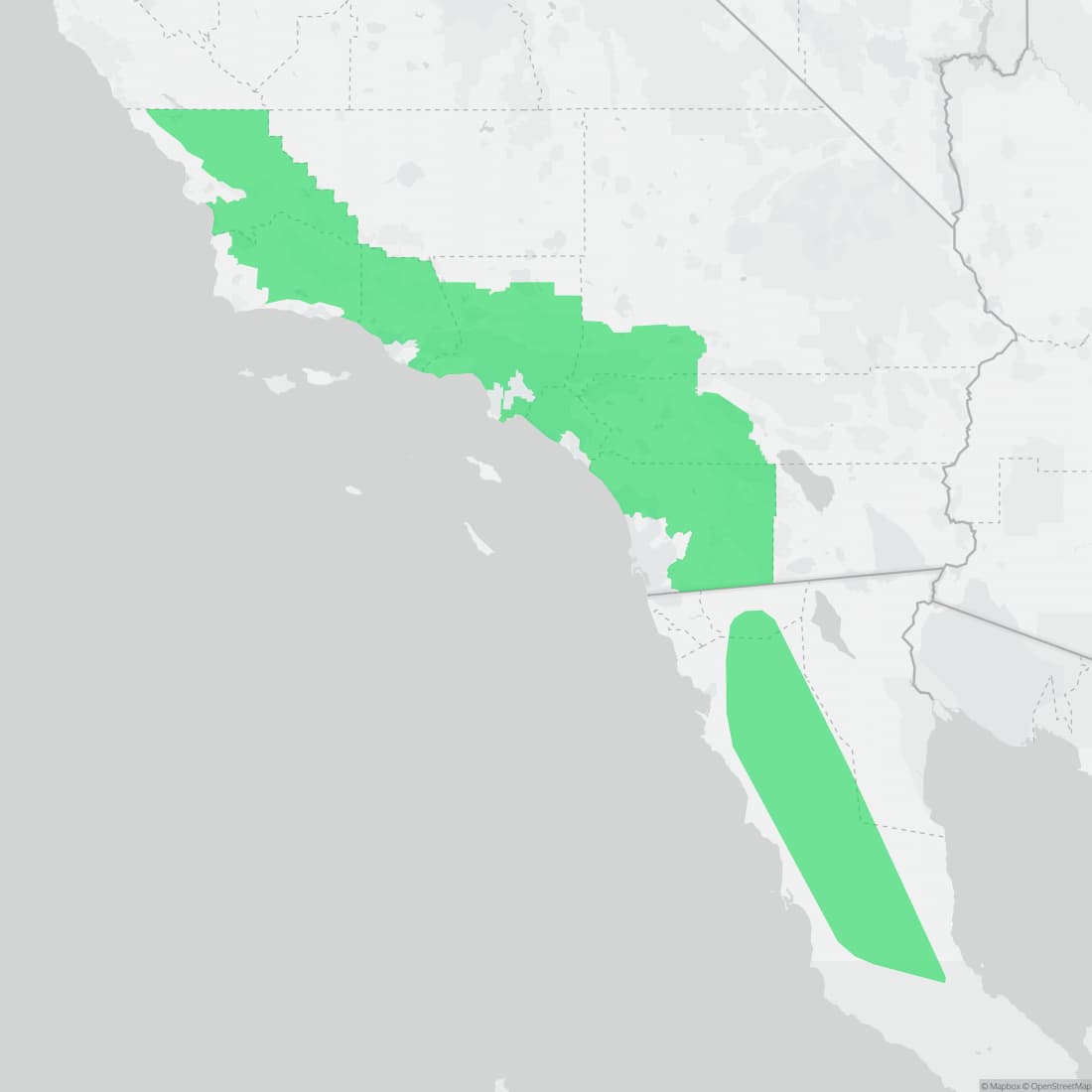
Approximate range. © Mapbox © OpenStreetMap