Pygmy Rattlesnake
Sistrurus miliarius
The pygmy rattlesnake is small at 14-22 inches. Both males and females have the same size (an average of 20 inches). It has nine large scales on the top of the head and a…
How to identify
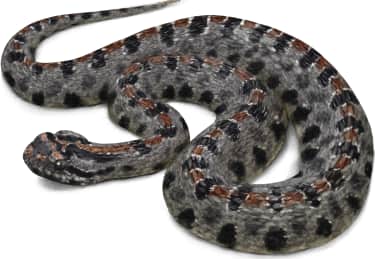
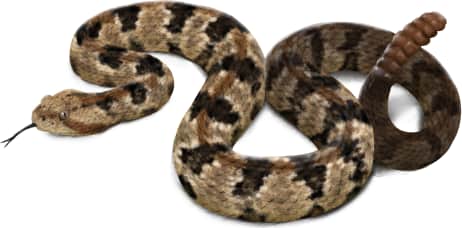
The pygmy rattlesnake is small at 14-22 inches. Both males and females have the same size (an average of 20 inches). It has nine large scales on the top of the head and a stripe that runs from the eyes to the corner of the mouth. The rattlesnake has varying patterns but they can be found in tan, black, gray, brown, light red, pink. The patterns and colors are usually related to their location or environment. One standing pattern is that that all have alternating red and black spots in their mid-dorsal section with black blotching on the sides of the spots. The rattlesnake is fanged and its tail color changes as they mature. Juveniles have tails that are bright yellow but they darken as they mature. The rattles are small, segmented, brittle, and are made of keratin. Juveniles do not have rattles.
Range
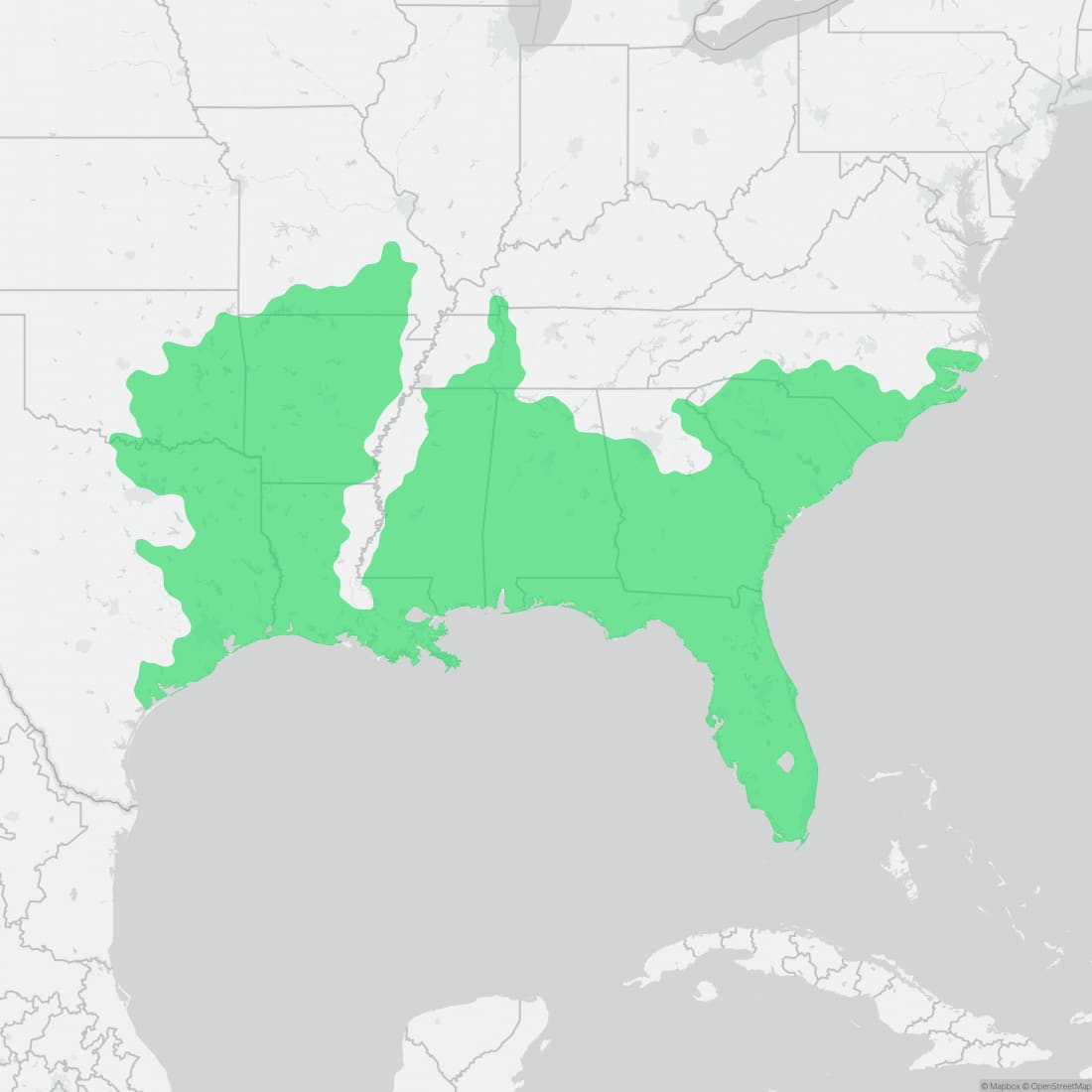
These snakes are often found in the southeastern part of the United States. The range extends from the Florida Keys, stretching all the way north to Missouri, and the southern regions of Kentucky and North Carolina. The range of this snake also expands west into Texas and a significant part of Oklahoma.
Habitat
They are generally found in areas near water sources including areas such as marshes, creeks, and swamps. They can still be found in pine and scrub oak sandhills, scrub pinewoods, etc. The pygmy rattlesnakes are usually well-camouflaged in their environment and spend a lot of time waiting in ambush in leaf litter. They prey on lizards, frogs, small mammals, and insects as well as centipedes. Females give birth to live young in the late summer or fall.
Variations
Sistrurus miliarius miliarius Sistrurus miliarius barbouri Sistrurus miliarius streckeri
Similar species
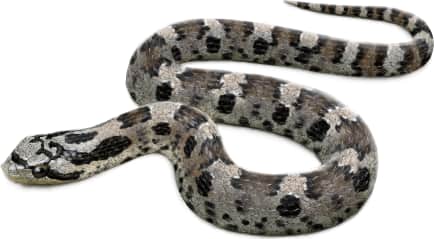
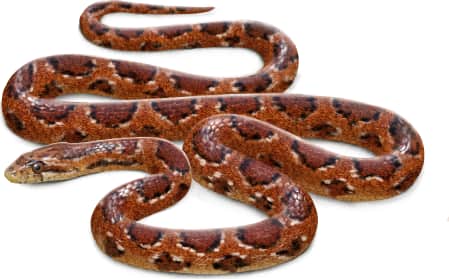
Eastern Hognose Snake (Heterodon platirhinos) is slightly larger with an average length of 28 inches. It has an upturned snout it uses to dig into the soil. What does make it similar is the color and pattern which can vary widely from red to orange brown gray black and their pattern can vary from blotched to checkered or even patternless. Corn Snake (Pantherophis guttatus) is much larger with an average length range of 24-72 inches. It has a red pattern with colors similar to the gypsy rattlesnake. However they lack the lines that run from the eyes to the mouth and their color pattern is always in the yellow, red and orange range. Timber Rattlesnake (Crotalus horridus) is also bigger with an average length range of 36-60 inches. They have a distinctive pattern of dark brown or black crossbands on their yellow-brown bodies.
Name and etymology
Genus
Sistrurus
Meaning rattle (Latin - sistrum) tail (Greek - oura).
Origin
Sources
- Garman, 1883. Mem. Mus. Comp. Zool. Harvard, Vol. 8, No. 3, p. 110
Sistrurus. Garman, 1883 - Mem. Mus. Comp. Zool. Harvard, Vol. 8, No. 3, p. 110
Species epithet
miliarius
Latin for millet-like.
Origin
Sources
- (Linnaeus, 1766). Syst. Nat., 12th ed., Vol. 1, p. 372 ↗
Sistrurus miliarius. (Linnaeus, 1766) - Syst. Nat., 12th ed., Vol. 1, p. 372
Explore more names in the etymology index.
At a glance
Size
38.1 to 63.5 cm
Range
These snakes are often found in the southeastern part of the United States. The range extends from the Florida Keys, stretchi…
Habitat
They are generally found in areas near water sources including areas such as marshes, creeks, and swamps. They can still be f…
Range map
Approximate range. © Mapbox © OpenStreetMap