Arizona Night Lizard
Xantusia arizonae
Dorsum ranges from gray to brown to olive and exhibits numerous dark markings across body. Head is flattened and possesses plate-like scales. Dorsal scales are smooth and…
How to identify
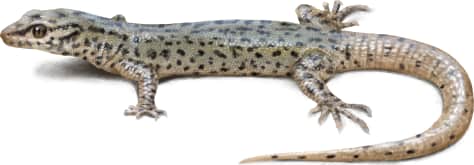
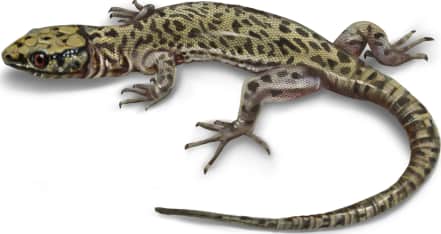
Dorsum ranges from gray to brown to olive and exhibits numerous dark markings across body. Head is flattened and possesses plate-like scales. Dorsal scales are smooth and small while those on the venter and tail are bigger and more rectangular in shape. Large, rounded eyes resemble those of a snake's. Total length averages about 10 cm. Females engage in live birth; litters of one or two born August or September.
Range
Only occurs in west-central Arizona.
Habitat
Although name implies a nocturnal existence, it is active primarily during the day. Tends to stay in habitat and will not travel great distances. Feeds mainly on termites, ants, fleas, beetles, spiders, and other insects.
Variations
Can usually be found in rock crevices, but sometimes will be spotted in rodent nests and Yucca baccata.
Similar species
Name and etymology
Genus
Xantusia
Honoring John Xantus
Origin
Honors
Sources
- Baird, 1858. Proc. Acad. Nat. Sci. Philadelphia, Vol. 10, p. 255 ↗
Xantusia. Baird, 1858 - Proc. Acad. Nat. Sci. Philadelphia, Vol. 10, p. 255
Species epithet
arizonae
Referencing Arizona.
Sources
- Klauber, 1931. Trans. San Diego Soc. Nat. Hist., Vol. 7, p. 1 pl. 1 ↗
Xantusia vigilis arizonae. Klauber, 1931 - Trans. San Diego Soc. Nat. Hist., Vol. 7, p. 1 pl. 1
Explore more names in the etymology index.
At a glance
Range
Only occurs in west-central Arizona.
Habitat
Although name implies a nocturnal existence, it is active primarily during the day. Tends to stay in habitat and will not tra…
Guide
Reptiles and Amphibians of North America
Range map
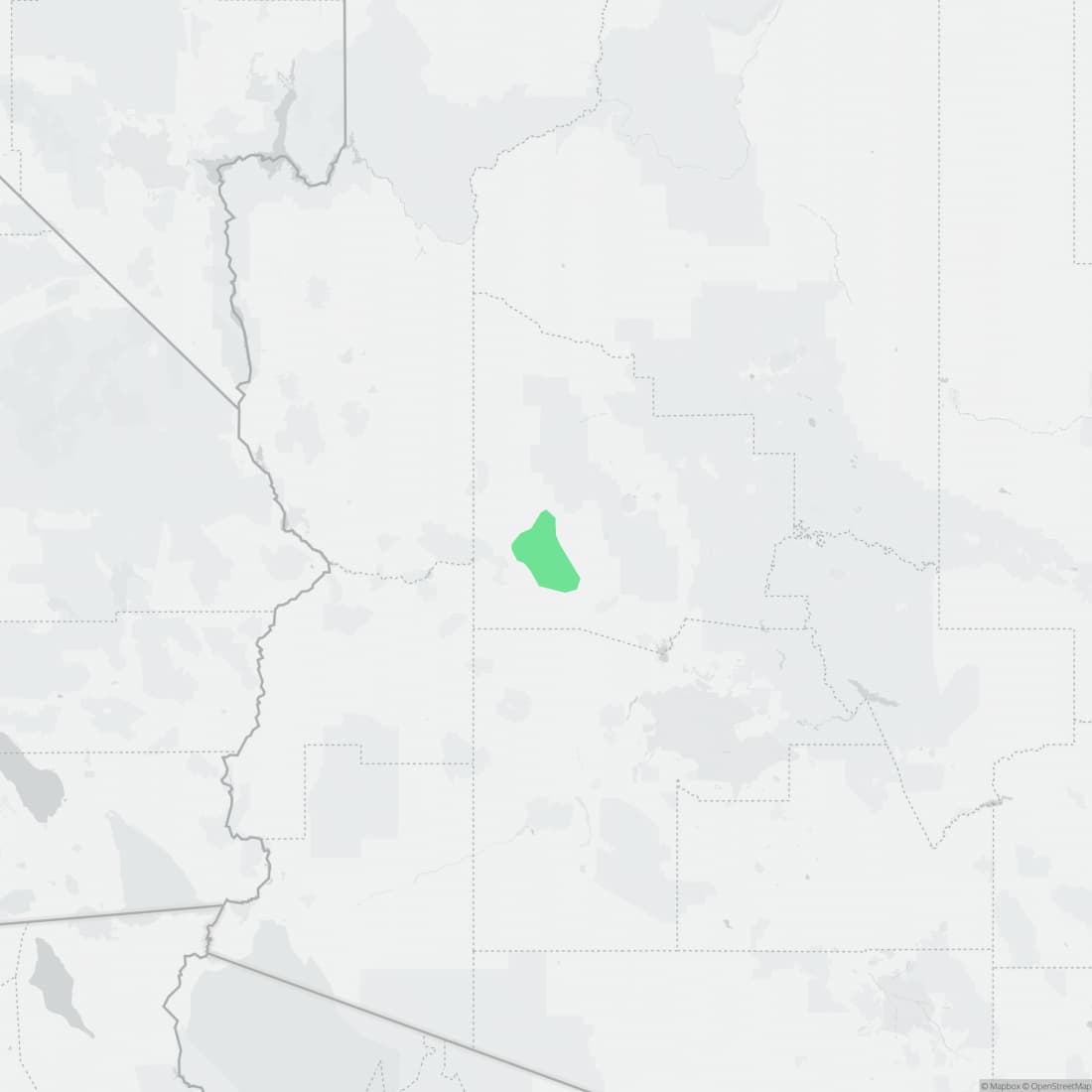
Approximate range. © Mapbox © OpenStreetMap