
Tiger Rattlesnake
Crotalus tigris
Highly venomous - considered dangerous to humans. Easily identified by small, spade shaped head; smallest of any rattlesnake species. Large rattle on end of tail. Adult l…
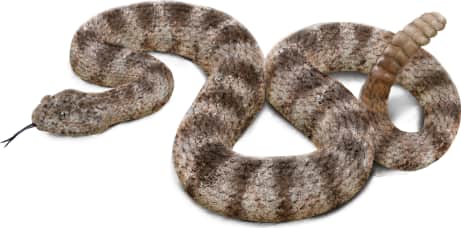
How to identify
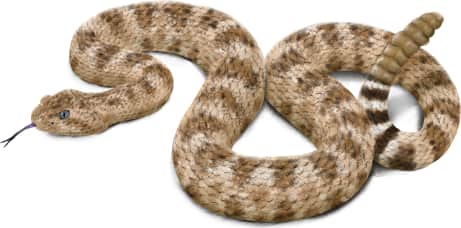
Highly venomous - considered dangerous to humans. Easily identified by small, spade shaped head; smallest of any rattlesnake species. Large rattle on end of tail. Adult length between 18-35 inches long. Coloration occurs in shades of gray, lavender, pink, brown, yellow, or orange. Crossbands on anterior end of body. Dark cheek stripe on the head with relatively small eyes with elliptical pupils.
Range
Small range, found from Central Arizona to Sonora, Mexico.
Habitat
Terrestrial. Found in foothills and rocky canyons of deserts and grasslands.
Similar species
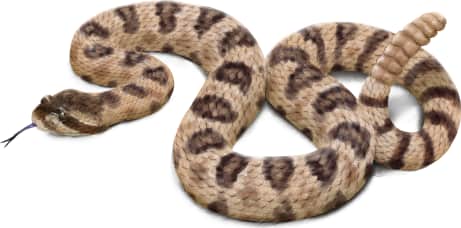
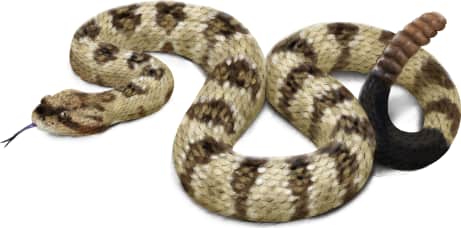
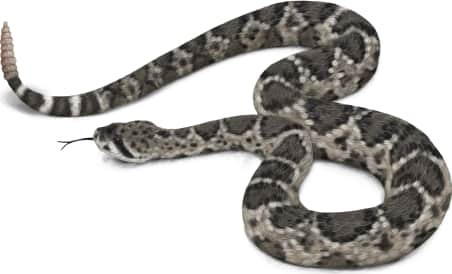
Name and etymology
Genus
Crotalus
Greek for rattle (krotalon).
Origin
Sources
- Linnaeus, 1758. Syst. Nat., 10th ed., Vol. 1, p. 214 ↗
Crotalus. Linnaeus, 1758 - Syst. Nat., 10th ed., Vol. 1, p. 214
Species epithet
tigris
Latin for tiger.
Origin
Sources
- Baird and Girard, 1852. Proc. Acad. Nat. Sci. Philadelphia, Vol. 6, p. 69 ↗
Uta. Baird and Girard, 1852 - Proc. Acad. Nat. Sci. Philadelphia, Vol. 6, p. 69
- Kennicott, 1859.
Arizona. Kennicott, 1859 -
Explore more names in the etymology index.
At a glance
Size
460 to 910 mm
Range
Small range, found from Central Arizona to Sonora, Mexico.
Habitat
Terrestrial. Found in foothills and rocky canyons of deserts and grasslands.
Range map
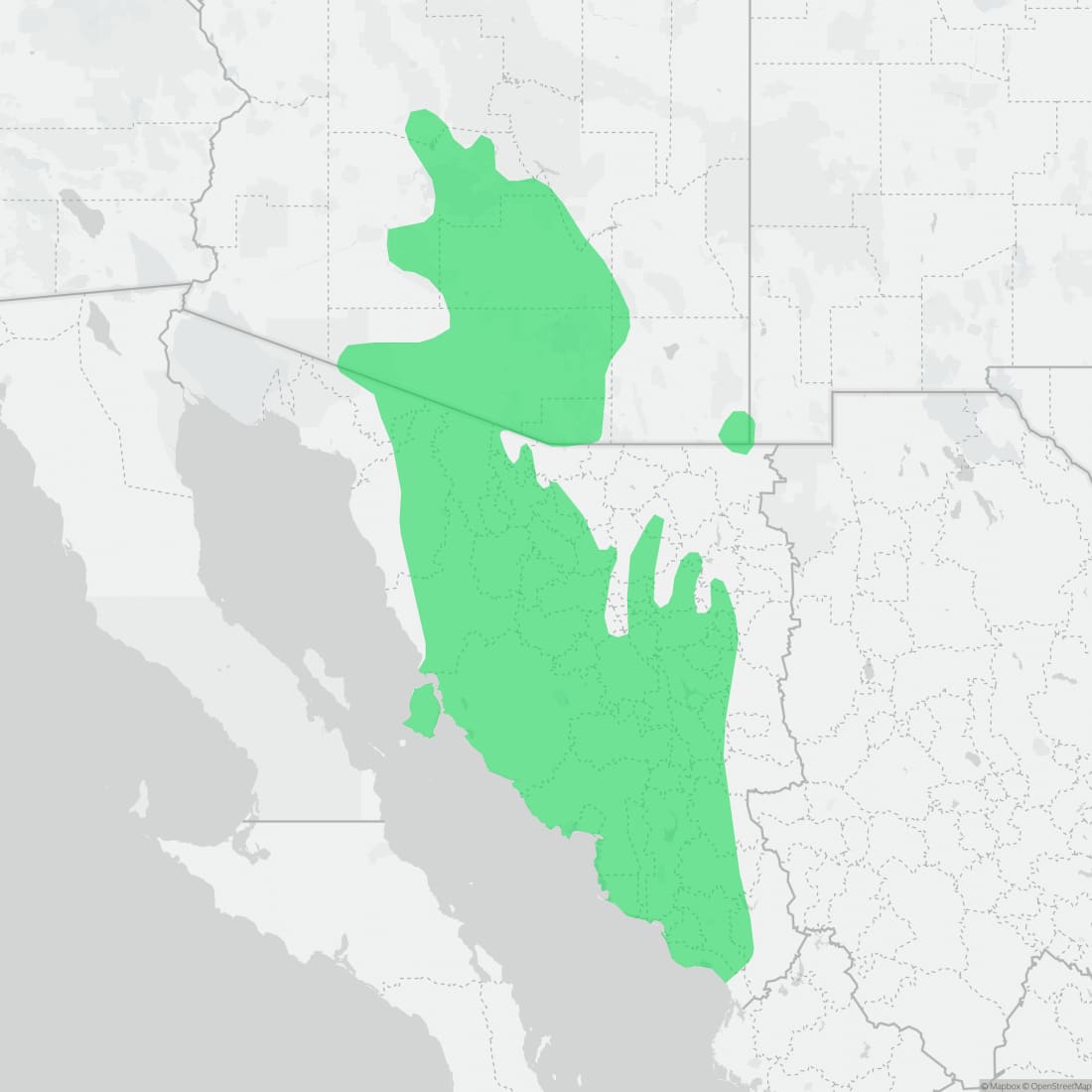
Approximate range. © Mapbox © OpenStreetMap