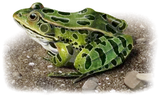
Sequoyah Slimy Salamander
Plethodon sequoyah
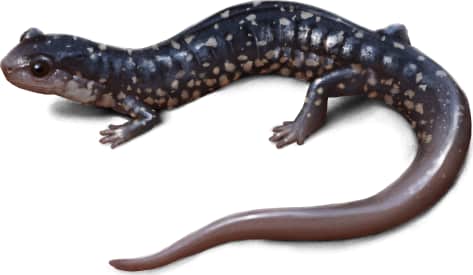
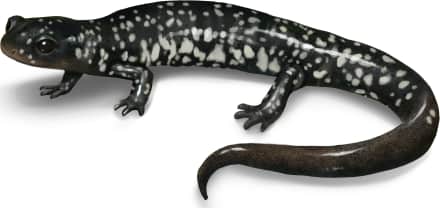
The Sequoyah Slimy Salamander has large, protruding eyes with about 15 – 17 coastal grooves. Their length ranges from 120 – 170 mm including its tail, where its tail leng…
How to identify
The Sequoyah Slimy Salamander has large, protruding eyes with about 15 – 17 coastal grooves. Their length ranges from 120 – 170 mm including its tail, where its tail length is roughly half its body length. Its head is a bit wider than the rest of its body. It also has small eyes. They have a dorsal ground color with white or brassy flecks spread across its dorsal and lateral surfaces. It also has a white throat. This specie’s ventral surface could be grey and speckled with pigment. But this ventral surface is noticeably lighter than its dorsal surface. As implied by its name, this specie produces a slimy substance from its skin when it is handled.
Range
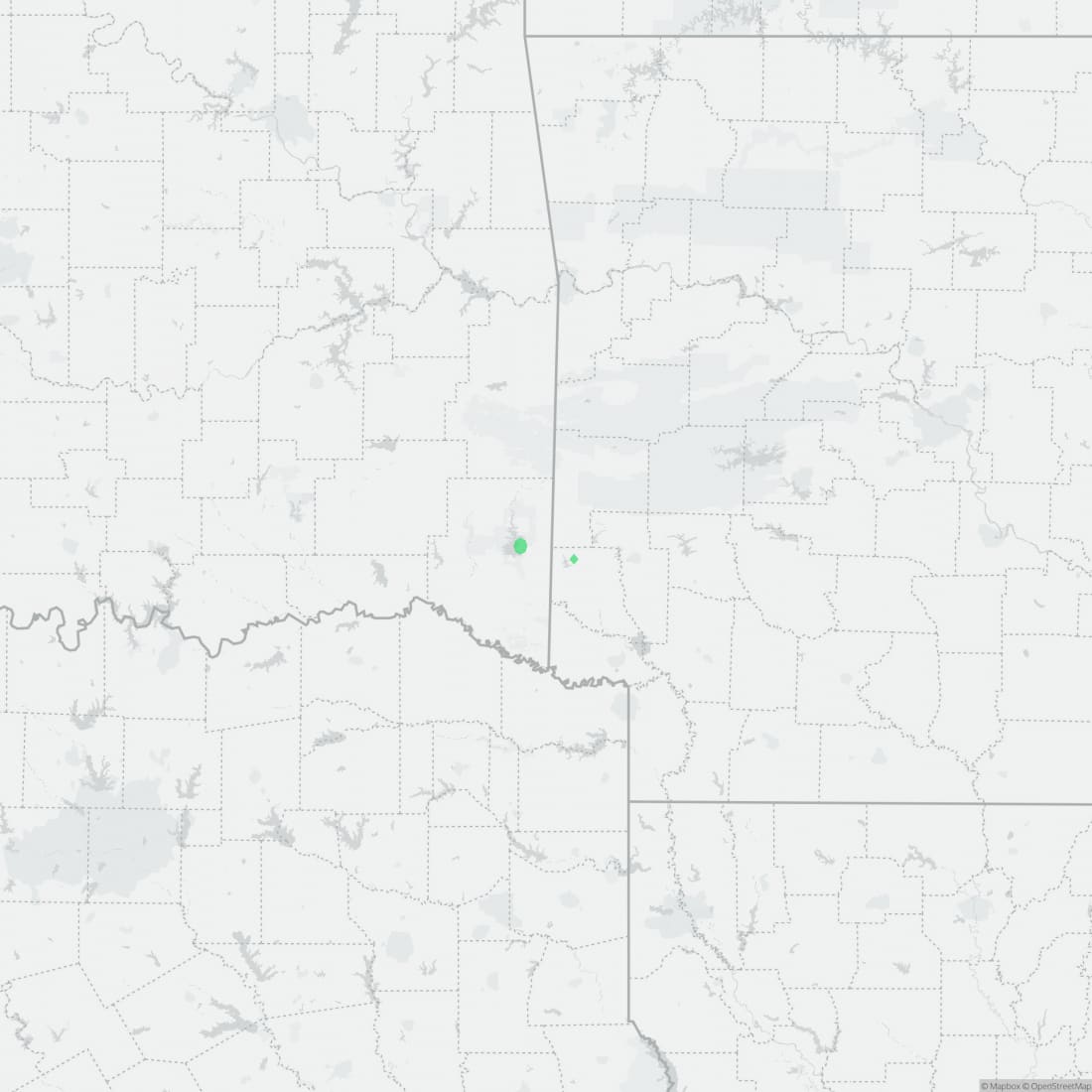
This specie is endemic to the Ouachita Mountains in the United States. Here, it is restricted to the Beavers Bend State Park in Oklahoma and a small part of the extreme southwestern Arkansas.
Habitat
They can be found in wooded ravines and canyons in limestone-fissured habitats. They are usually active during the cooler months but during the drier times, their activity becomes based underground. The females lay a cluster of eggs which are laid in the summer or early fall. Their diet is made up of ants, beetles and sowbugs.
Similar species
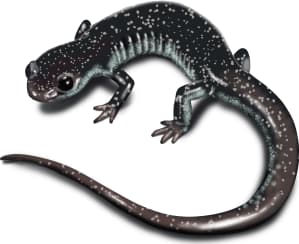
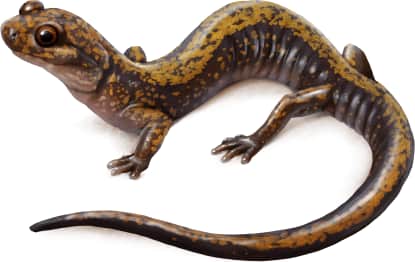
Tellico Salamander or Plethodon aureolus. Along with its greyish-black or black dorsum speckled wit brassy spotting, this specie also has a light-coloured chin. They are also rounded in their cross-section. Northern Slimy Salamander or Plethodon glutinosus. It also has similar colouration as the Sequoyah Slimy Salamander. Also, it has 15 – 17 coastal grooves. Dunn’s Salamander or the Plethodon dunni. Its colouration is dark-brown or black. It also has an easily distinguishable broad yellowish to olive green dorsal stripe. This stripe runs from its head to its tail.
Name and etymology
Genus
Plethodon
Greek for full of (plethore) teeth (odon).
Origin
Sources
- Tschudi, "1838" 1839. reprinted in Classif. Batr., Mem. Soc. Sci. Nat. Neuchatel, p. 92 ↗
Plethodon. Tschudi, "1838" 1839 - reprinted in Classif. Batr., Mem. Soc. Sci. Nat. Neuchatel, p. 92
Species epithet
sequoyah
Referencing the Sequoyah genus of tree.
Sources
- Highton, 1989.
Plethodon sequoyah. Highton, 1989 -
Explore more names in the etymology index.
At a glance
Range
This specie is endemic to the Ouachita Mountains in the United States. Here, it is restricted to the Beavers Bend State Park…
Habitat
They can be found in wooded ravines and canyons in limestone-fissured habitats. They are usually active during the cooler mon…
Guide
Reptiles and Amphibians of North America
Range map
Approximate range. © Mapbox © OpenStreetMap