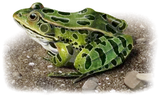
Southern Chorus Frog
Pseudacris nigrita
This species’ total length ranges from 19.05 – 31.75 mm. They have warty skin and a whitish-grey to tan colouration. These species' back has dark, broken lines. The frogs…
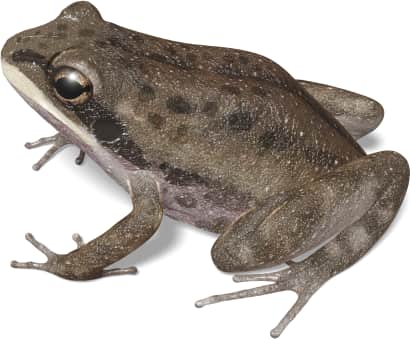
How to identify
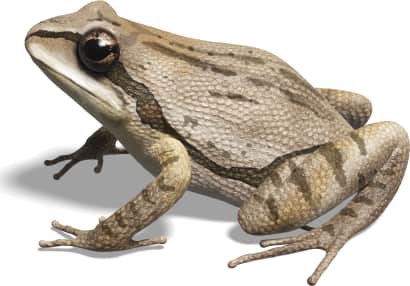
This species’ total length ranges from 19.05 – 31.75 mm. They have warty skin and a whitish-grey to tan colouration. These species' back has dark, broken lines. The frogs found in Peninsula Florida usually have rows of spots instead. Also, the upper lip of these frogs is normally marked with a distinguishable light line. On the other hand, the top lip of the species located in peninsular Florida could be almost black. Unlike other frogs in this genus, this specie has a more pointed snout. Lastly, this frog's digits have small toepads at the tips.
Range
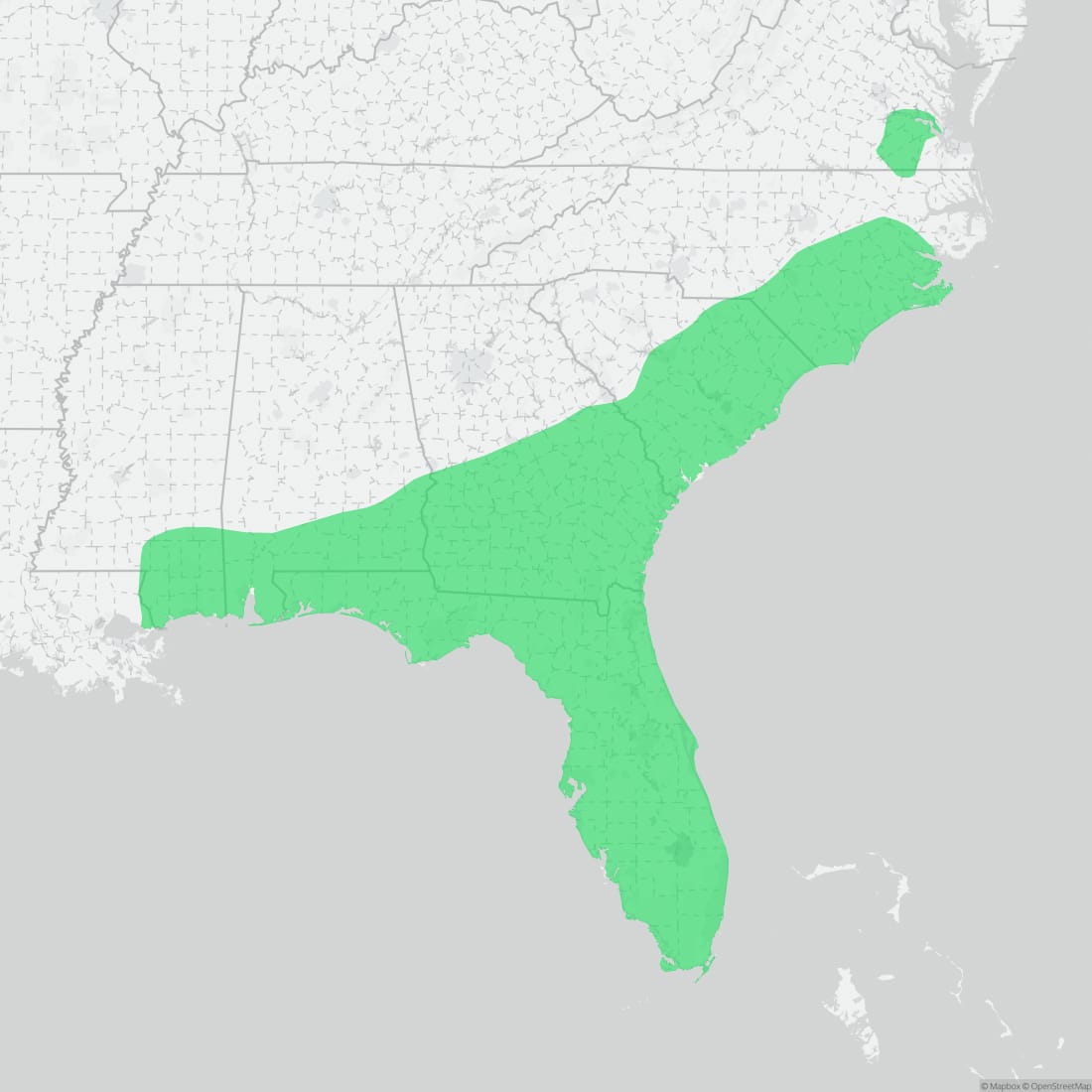
This specie is endemic to the southeastern United States. They can be found in the Gulf Coastal Plain. This from the north of the Tar and Pamlico rivers in North Carolina to the Pearl River in southern Mississippi. Although they can’t be found from the Everglades and the Florida Keys.
Habitat
These frogs are normally burrowed in loose, sandy soils. These are usually close to breeding sites. They breed in shallow, temporary wetlands. They are shy animals and are mostly burrowing or submerged in water. They lay in clusters. These could be made up of 15 eggs from November to April. Lastly, their diet is made up of many small invertebrates. This could include ants, beetles, spiders among others.
Similar species
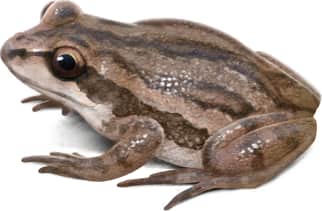
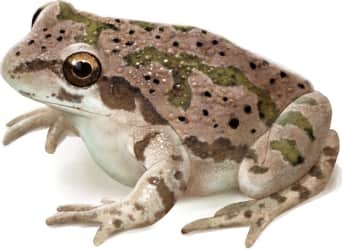
The Western Chorus Frog or the Pseudacris triseriata. Unlike the Southern chorus frog, this frog has smooth skin. Also, they have round toes without pads. The Strecker’s Chorus Frog or the Pseudacris streckeri. Their dorsum is brown, grey, olive or green accompanied with contrasting black spots. These spots may look grey or browner green. The Cajun Chorus Frog or the Pseudacris fouquettei. They have a head narrower than its body. Also, they have protuberant nostrils with medium-sized eyes which do not protrude.
Name and etymology
Genus
Pseudacris
Greek for false(pseudes) locus(akris) referencing genus Acris.
Origin
Sources
- Fitzinger, 1843. Syst. Rept., p. 31 ↗
Pseudacris. Fitzinger, 1843 - Syst. Rept., p. 31
Species epithet
nigrita
New Latin for Blackened.
Origin
Sources
- (Le Conte, 1825). Ann. Lyc. Nat. Hist. New York, Vol. 1, No. 2, p. 282 ↗
Pseudacris nigrita. (Le Conte, 1825) - Ann. Lyc. Nat. Hist. New York, Vol. 1, No. 2, p. 282
Explore more names in the etymology index.
At a glance
Range
This specie is endemic to the southeastern United States. They can be found in the Gulf Coastal Plain. This from the north of…
Habitat
These frogs are normally burrowed in loose, sandy soils. These are usually close to breeding sites. They breed in shallow, te…
Guide
Reptiles and Amphibians of North America
Range map
Approximate range. © Mapbox © OpenStreetMap