Twin-spotted Spiny Lizard
Sceloporus bimaculosus
This is a large lizard whose length reaches 142 mm from its snout to vent. It is sturdy with big, pointed, keeled and overlapping scales. Its primary color is grey or bro…
How to identify
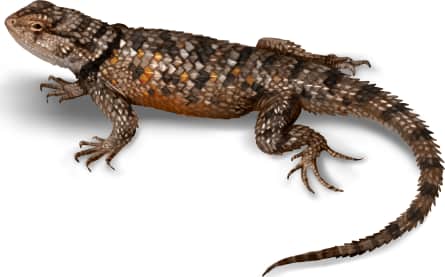
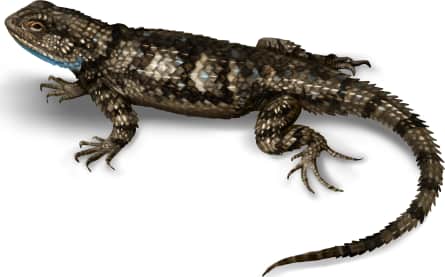
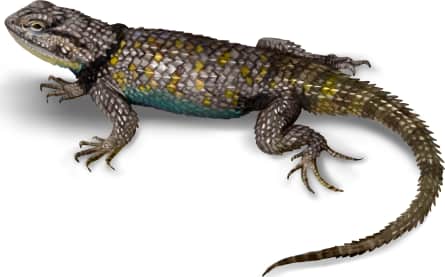
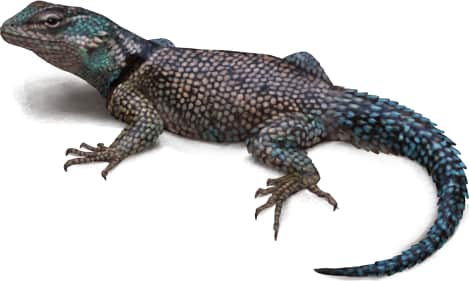
This is a large lizard whose length reaches 142 mm from its snout to vent. It is sturdy with big, pointed, keeled and overlapping scales. Its primary color is grey or brown. It could also be a tan color. The male gender of this specie has two longitudinal rows of dark blotches on the specie's back. Also, yellow or orange scales are irregularly dispersed on its sides. Each shoulder of this specie is marked by a black, wedge shape. The males also have two big and vivid blue-green blotches on their bellies with the blue-green blotch on its throat.
Range
This specie can be found across southeastern Arizona at elevations reaching about 750 – 1,500 m.
Habitat
This Lizard can be located mainly in Chihuahuan Desert scrub as well as Semidesert Grassland communities. They are diurnal animals. They bask on any place the sun perches. It also hibernates during the cold months which include winter and late fall. These lizards’ diets are made up of a large variety of insects. They could also eat other invertebrates, small vertebrates and plant matter. Mating occurs in spring and summer. The females lay one or two clutches. Each clutch comprises of about 2 – 12 eggs. These then hatches either in late May or July. July is more usual.
Similar species
Desert Spiny Lizard or Sceloporus magister has rows of dark blotches present on the backs of the male gender set it apart from this specie. Clark’s Spiny Lizard or the Sceloporus clarkii. The Sceloporus bimaculosus' absence of bars on its forelimbs set it apart from the above specie. Yarrow’s Spiny Lizard or Sceloporus jarrovii is quite like the Twin-spotted Spiny lizard except for the fact that it has a complete collar.
Name and etymology
Genus
Sceloporus
Greek for leg (skelos) pores (porus), referencing femoral pores on back legs.
Origin
Sources
- Wiegmann, 1828. Isis von Oken, Vol. 21, p. 369 ↗
Sceloporus. Wiegmann, 1828 - Isis von Oken, Vol. 21, p. 369
Species epithet
bimaculosus
Latin for two (bi) spots (maculosus), referencing paired dorsal spots.
Origin
Sources
- Phelan and Brattstrom, 1955. Herpetologica, Vol. 11, p. 9
Sceloporus magister bimaculosus. Phelan and Brattstrom, 1955 - Herpetologica, Vol. 11, p. 9
Explore more names in the etymology index.
At a glance
Range
This specie can be found across southeastern Arizona at elevations reaching about 750 – 1,500 m.
Habitat
This Lizard can be located mainly in Chihuahuan Desert scrub as well as Semidesert Grassland communities. They are diurnal an…
Guide
Reptiles and Amphibians of North America
Range map
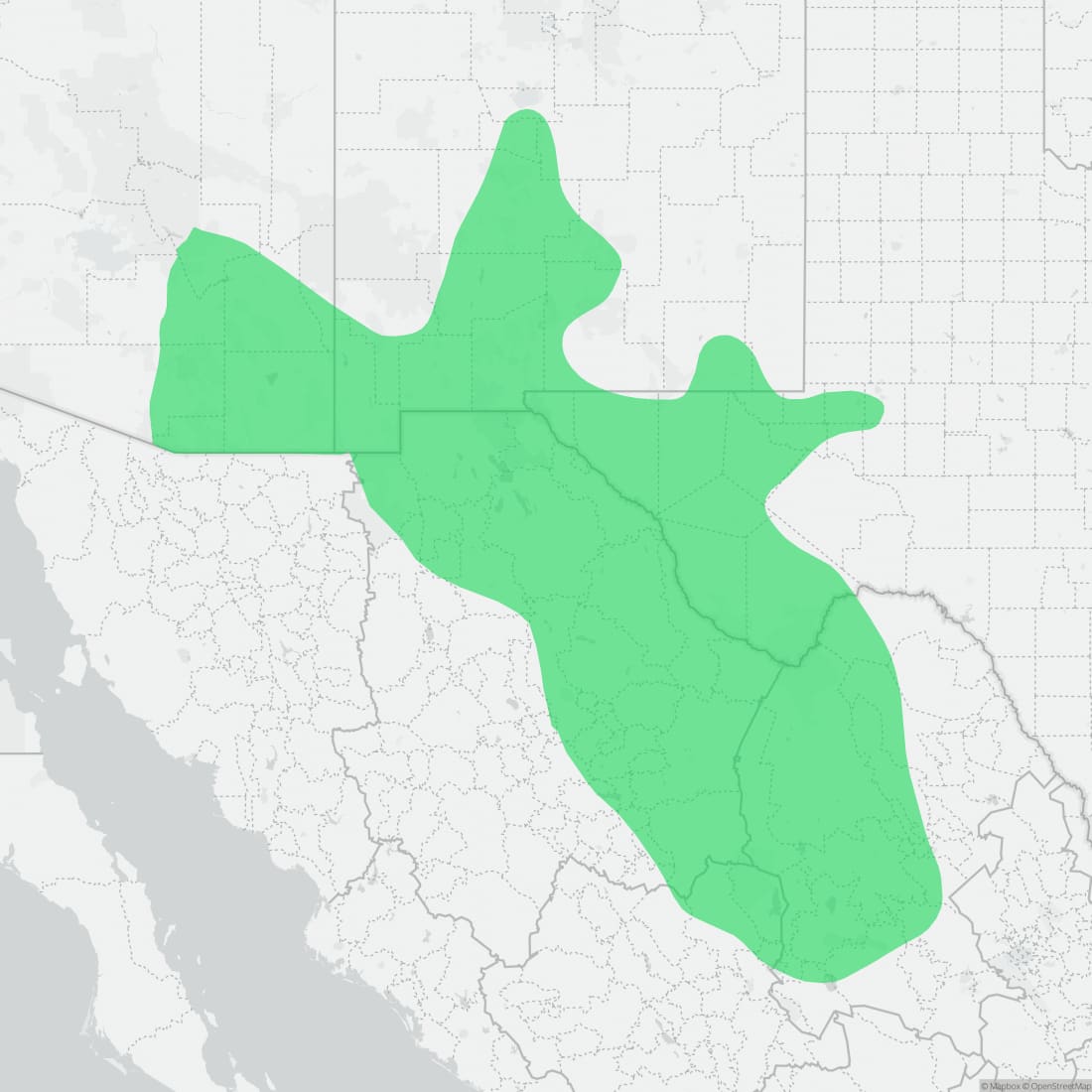
Approximate range. © Mapbox © OpenStreetMap