Prairie Lizard
Sceloporus consobrinus
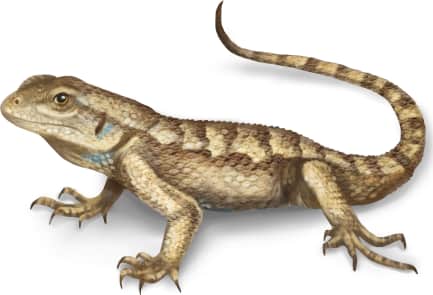
The prairie lizard has a tan or gray pigmentation and rows of dark-colored, jagged crossbars on the back. The scales have a rough texture because they overlap and are kee…
How to identify
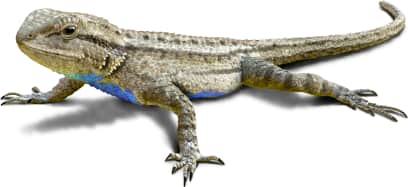
The prairie lizard has a tan or gray pigmentation and rows of dark-colored, jagged crossbars on the back. The scales have a rough texture because they overlap and are keeled. This lizard has a limited ability to change color and are usually darker in cooler weather and lighter in warmer weather. Males display bright turquoise patches on the belly and the throat. Juveniles and females have similar coloration, but juveniles are often darker.
Range
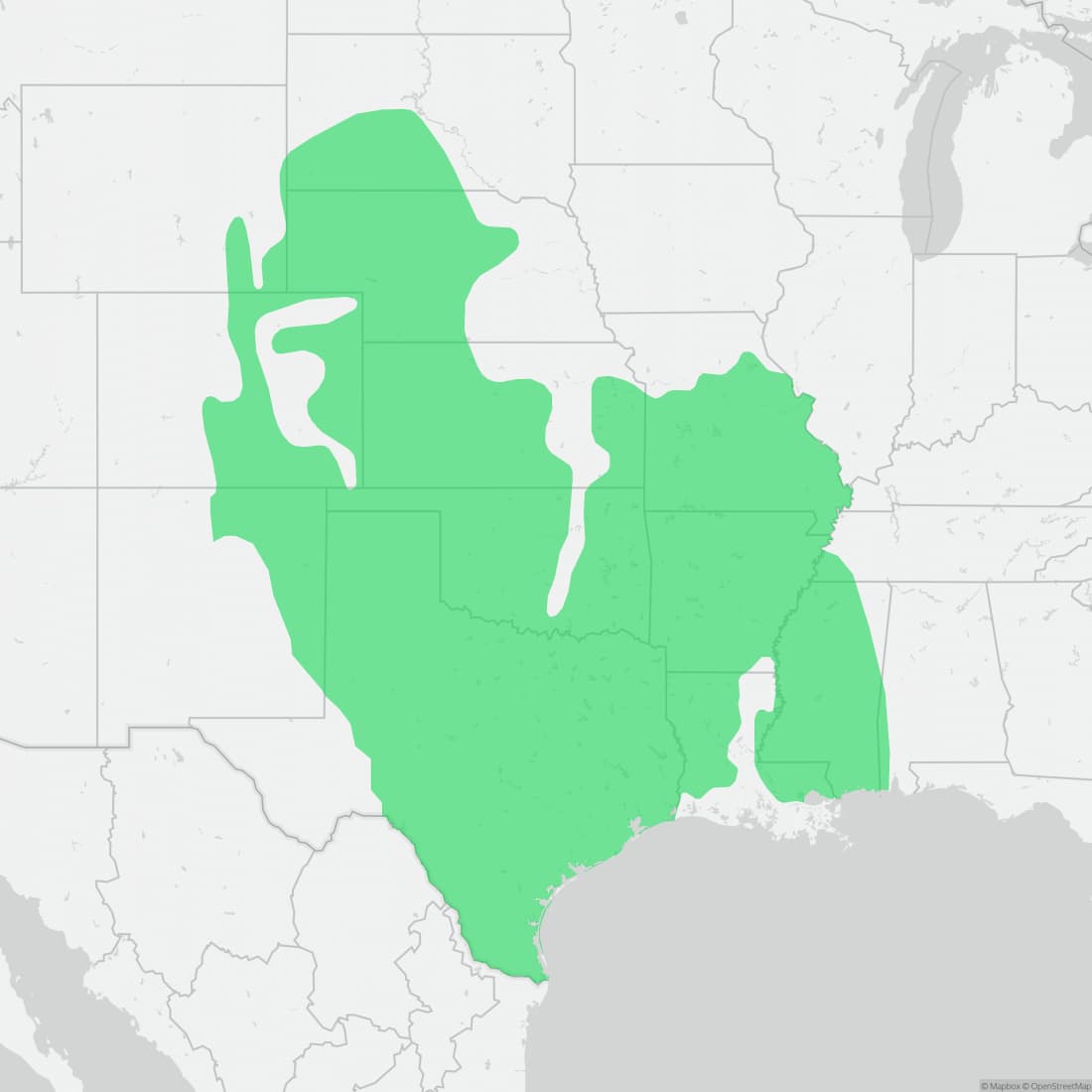
This lizard is endemic to North America including the USA and Mexico. It has a very wide range that sweeps from New York down south to Florida, west to Utah and Arizona, then north to South Dakota and central Indiana, and south to the Gulf Coast. And in Mexico, Chihuahua, Coahuila, Durango, and Zacatecas).
Habitat
They are commonly found in wood and rock piles, where they can perch to survey or run under for shelter. They are popular near fence posts which is one of the reasons it’s also called fence lizard. They are arboreal as well and are excellent climbers. Females lay their eggs in multiple clutches in soil or underground. Breeding occurs through the spring into summer. The lizards prey primarily on insects and spiders.
Similar species
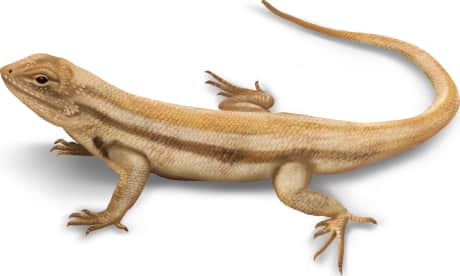
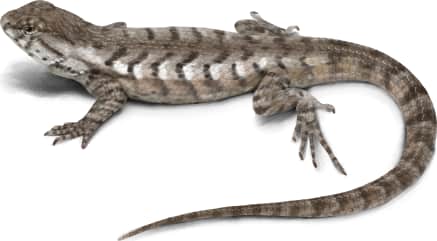
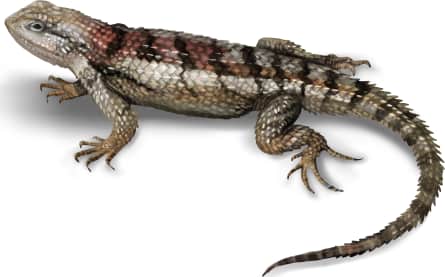
The Eastern Fence Lizard or Sceloporus undulatus shares habitat with the prairie lizard and has a similarly rough texture and keeled scales. The prairie lizard was previously classified as a subspecies of S. undulatus. This lizard has a gray coloration and the belly is white with black flecks, some specimens have a pale blue belly. In summer, they display a greenish-blue coloration on the sides of the belly and the throat. The Texas Spiny Lizard (Sceloporus olivaceus) is a large lizard (7.5-11 in). It is gray-colored and has black, white or brownish-red blotches that decorate its back. The males have blue patches on both sides of their belly. The scales have a distinctly spiny texture. Western Fence Lizard (Sceloporus occidentalis) is brown to black and displays a pattern of dark stripes on the back. Its most distinguishing features, however, are the bright blue bellies they have and their yellow limbs.
Name and etymology
Genus
Sceloporus
Greek for leg (skelos) pores (porus), referencing femoral pores on back legs.
Origin
Sources
- Wiegmann, 1828. Isis von Oken, Vol. 21, p. 369 ↗
Sceloporus. Wiegmann, 1828 - Isis von Oken, Vol. 21, p. 369
Species epithet
consobrinus
Latin for cousin.
Origin
Sources
- Baird and Girard, 1854.
Sceloporus undulatus consobrinus. Baird and Girard, 1854 -
Explore more names in the etymology index.
At a glance
Range
This lizard is endemic to North America including the USA and Mexico. It has a very wide range that sweeps from New York down…
Habitat
They are commonly found in wood and rock piles, where they can perch to survey or run under for shelter. They are popular nea…
Guide
Reptiles and Amphibians of North America
Range map
Approximate range. © Mapbox © OpenStreetMap