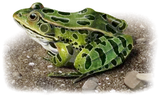
Jemez Mountains Salamander
Plethodon neomexicanus
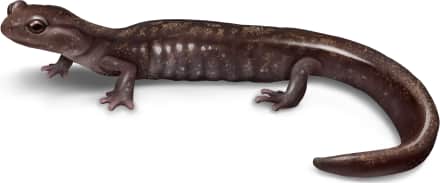
Dark brown base color; sometimes displays brassy spots on back. Venter is gray. Body is elongated and slim. Feet are webbed and display small fifth toes. Conducts respira…
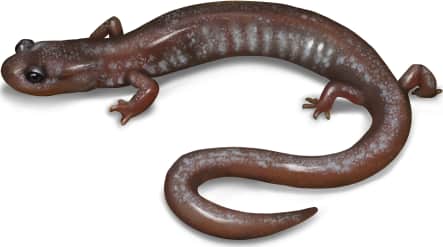
How to identify
Dark brown base color; sometimes displays brassy spots on back. Venter is gray. Body is elongated and slim. Feet are webbed and display small fifth toes. Conducts respiration through skin. After three years, females are sexually mature; an average female lays eggs every other year. Young do not undergo an aquatic larval stage.
Range
Occurs in Jemez Mountains in Sandoval, Los Alamos, and Rio Arriba counties, New Mexico.
Habitat
Inhabits areas with mixed conifers that possess many natural shelter like rocks and rotted logs. Does not occur in surface water. Only breeds terrestrially.
Variations
Although it usually spends the majority of its day under natural shelter, it can be seen during the day in particularly rainy summer months.
Similar species
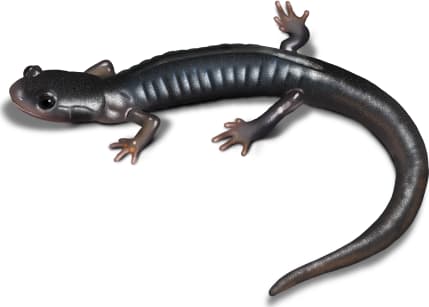
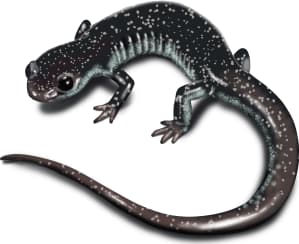
Name and etymology
Genus
Plethodon
Greek for full of (plethore) teeth (odon).
Origin
Sources
- Tschudi, "1838" 1839. reprinted in Classif. Batr., Mem. Soc. Sci. Nat. Neuchatel, p. 92 ↗
Plethodon. Tschudi, "1838" 1839 - reprinted in Classif. Batr., Mem. Soc. Sci. Nat. Neuchatel, p. 92
Species epithet
neomexicanus
Belong to New Mexico.
Origin
Sources
- Stebbins and Riemer, 1950. Copeia, p. 73 ↗
Plethodon neomexicanus. Stebbins and Riemer, 1950 - Copeia, p. 73
Explore more names in the etymology index.
At a glance
Range
Occurs in Jemez Mountains in Sandoval, Los Alamos, and Rio Arriba counties, New Mexico.
Habitat
Inhabits areas with mixed conifers that possess many natural shelter like rocks and rotted logs. Does not occur in surface wa…
Guide
Reptiles and Amphibians of North America
Range map
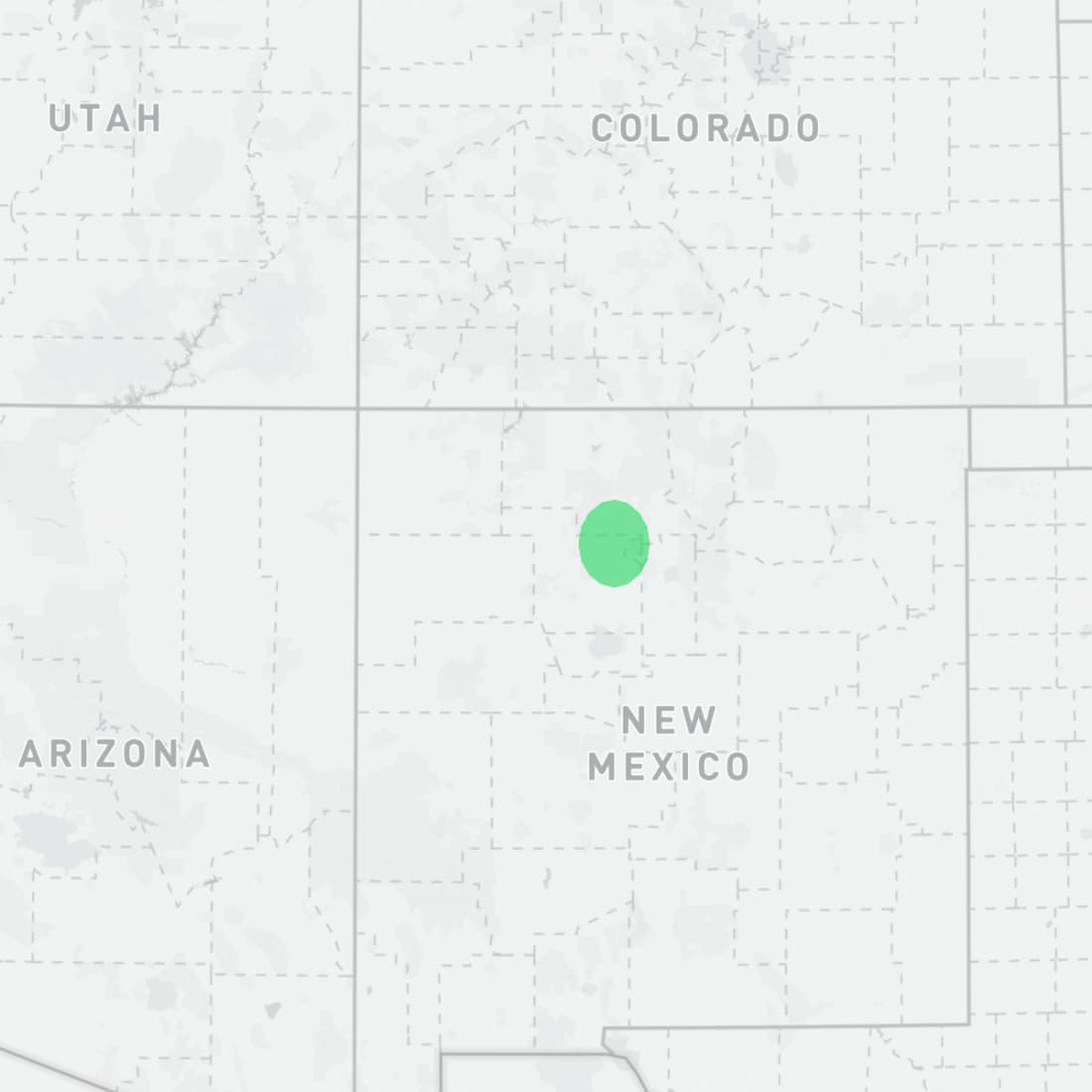
Approximate range. © Mapbox © OpenStreetMap